
Kidney Failure in Korea
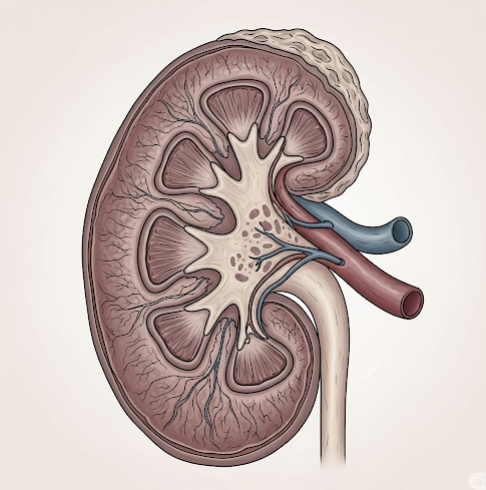
Overview Kidney failure, also known as renal failure, occurs when the kidneys lose their ability to effectively filter waste products, excess fluids, and toxins from the blood. This serious condition can develop suddenly (acute kidney failure) or gradually over time (chronic kidney disease progressing to end-stage renal disease). Untreated kidney failure leads to dangerous buildup […]
Kidney Cysts in Korea
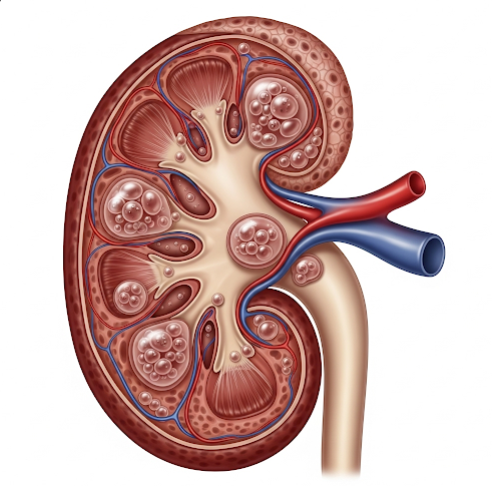
Overview Kidney cysts are fluid-filled sacs that form on or within the kidneys. They are common and often benign, typically discovered incidentally during imaging for unrelated health concerns. While simple kidney cysts usually cause no symptoms and require minimal treatment, complex cysts may lead to complications or indicate underlying kidney disease. In Korea, advanced nephrology […]
Kidney Cancer in Korea
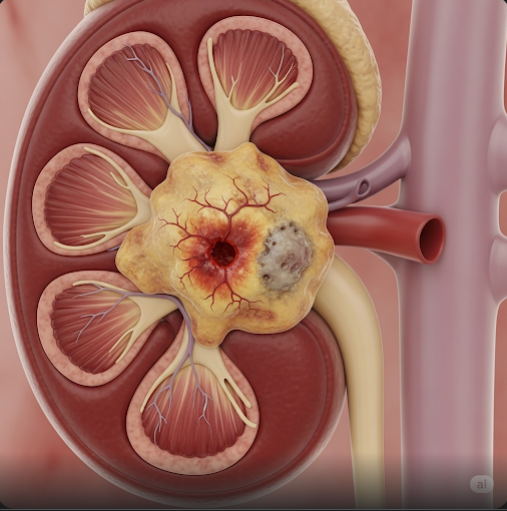
Overview Kidney cancer, also known as renal cancer, is a malignant tumor that originates in the kidneys, the organs responsible for filtering blood and producing urine. It accounts for approximately 2-3% of adult cancers worldwide. The most common type is renal cell carcinoma (RCC), which arises from the lining of the small tubes in the […]
Kernicterus in Korea

Overview Kernicterus is a rare but serious form of brain damage caused by excessive accumulation of bilirubin in the brain tissue. It primarily affects newborns and infants with severe jaundice. If untreated, kernicterus can lead to permanent neurological damage, including hearing loss, movement disorders, and intellectual disabilities. Korea’s neonatal care centers are equipped with advanced […]
Kerion in Korea
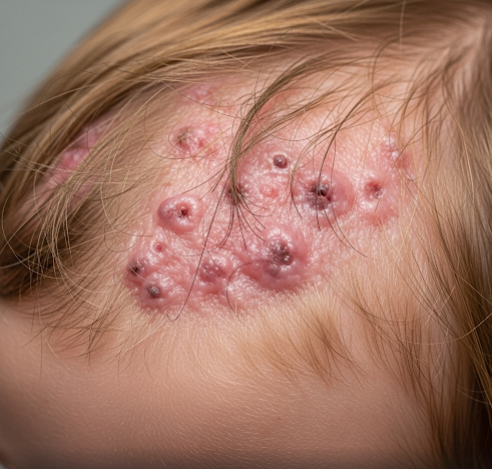
Overview Kerion is a severe inflammatory reaction of the scalp caused by a fungal infection known as tinea capitis. It typically presents as a painful, swollen, pus-filled lesion that can lead to hair loss and scarring if not promptly treated. This condition primarily affects children but can occasionally occur in adults. Korea’s advanced dermatology and […]
Keratosis Pilaris in Korea
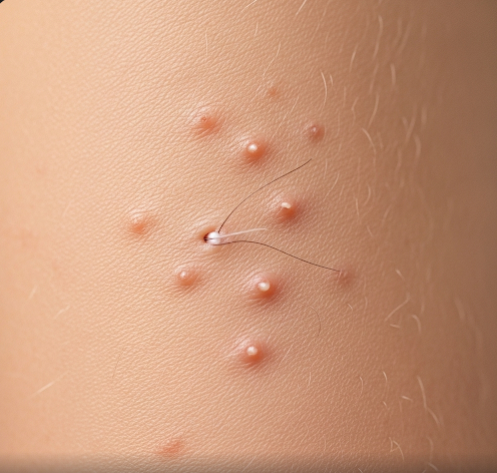
Overview Keratosis Pilaris (KP) is a common, benign skin condition affecting millions worldwide. It manifests as small, rough bumps that feel like sandpaper and are often described as “chicken skin.” These bumps usually appear on the outer upper arms, thighs, cheeks, or buttocks, though they can occur anywhere on the body. KP results from a […]
Keratoconus in Korea

Overview Keratoconus is a progressive eye disorder characterized by thinning and bulging of the cornea into a cone-like shape. This distortion causes irregular astigmatism and vision impairment, often developing during adolescence or early adulthood. Without proper management, keratoconus can lead to significant visual disability. Korea is recognized for advanced corneal treatments, offering innovative diagnostic tools […]
Keratoconjunctivitis in Korea

Overview Keratoconjunctivitis is an inflammatory condition affecting both the cornea (keratitis) and the conjunctiva (conjunctivitis) of the eye. It results in redness, irritation, and discomfort, potentially impairing vision if left untreated. This condition can arise from infections, allergies, or environmental factors. Korea’s advanced ophthalmology centers offer comprehensive diagnostic and treatment services to manage keratoconjunctivitis effectively […]
Keratitis in Korea
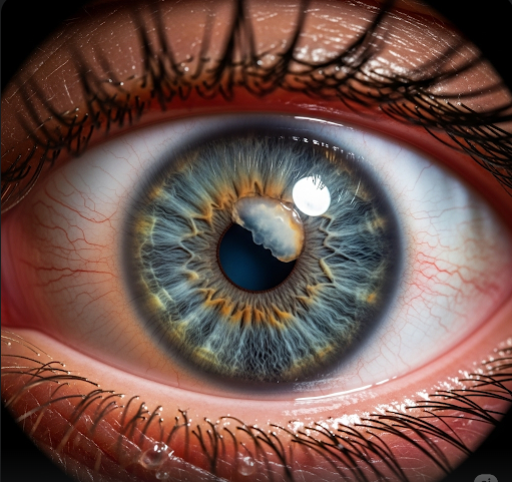
Overview Keratitis is an inflammation of the cornea, the clear, dome-shaped surface that covers the front of the eye. It can range from mild irritation to severe infections that threaten vision. Prompt diagnosis and treatment are crucial to prevent complications such as corneal scarring or vision loss. Korea’s advanced ophthalmology centers offer comprehensive care with […]
Keratin Plugs in Korea

Overview Keratin plugs, also known as follicular plugs or comedones, are small accumulations of keratin and sebum that block hair follicles or pores in the skin. They are a common feature in various skin conditions such as acne and keratosis pilaris. These plugs can cause visible bumps, rough skin texture, and sometimes inflammation. In Korea, […]