
Tooth Abscess in Korea

Overview A tooth abscess is a localized collection of pus caused by a bacterial infection within the tooth, gums, or surrounding bone. It is a painful dental condition that can result from untreated cavities, gum disease, or trauma. If left untreated, a tooth abscess can lead to serious complications, including the spread of infection to […]
Tonsillitis in Korea

Overview Tonsillitis is an inflammation of the tonsils, usually caused by viral or bacterial infections. It commonly affects children and young adults but can occur at any age. Symptoms include sore throat, difficulty swallowing, fever, and swollen lymph nodes. If untreated, bacterial tonsillitis, especially from Streptococcus pyogenes, can lead to complications such as rheumatic fever […]
Tonsil Cancer in Korea

Overview Tonsil cancer is a type of head and neck malignancy that arises in the tonsillar tissues, most commonly the palatine tonsils. It is a form of oropharyngeal cancer and can affect swallowing, speech, and overall oral health. Risk factors include tobacco use, alcohol consumption, and human papillomavirus (HPV) infection. South Korea offers advanced diagnostic […]
Tinnitus in Korea

Overview Tinnitus is the perception of sound in the ears or head without an external source, often described as ringing, buzzing, hissing, or roaring. It is a common condition that can range from mild annoyance to severe impairment, affecting concentration, sleep, and quality of life. While tinnitus itself is not a disease, it often indicates […]
Tinea Versicolor in Korea

Overview Tinea versicolor is a common superficial fungal infection of the skin caused by the yeast Malassezia, which naturally resides on the skin’s surface. This condition is characterized by patches of discolored skin, typically on the trunk, neck, and upper arms. While it is not life-threatening, tinea versicolor can cause cosmetic concerns, itching, and social […]
Tietze Syndrome in Korea

Overview Tietze Syndrome is a rare, benign condition characterized by inflammation of the costal cartilages, typically affecting the upper ribs where they attach to the sternum. It causes localized chest pain, swelling, and tenderness, often mimicking more serious conditions such as heart attack or costochondritis. The exact cause of Tietze Syndrome is unclear, but it […]
Tics in Korea

Overview Tics are sudden, repetitive, nonrhythmic movements or vocalizations that often occur in childhood or adolescence. They can range from mild and barely noticeable to severe and disruptive, affecting daily life, social interactions, and academic performance. Tics may be temporary (transient) or persistent, and in some cases, they are part of neurological disorders such as […]
Tick Bite in Korea

Overview A tick bite occurs when a tick, a small parasitic arachnid, attaches to human skin and feeds on blood. While often painless, tick bites can transmit various infectious diseases, including Lyme disease, severe fever with thrombocytopenia syndrome (SFTS), and rickettsial infections. In Korea, tick-borne illnesses are a growing public health concern, particularly in rural […]
Thyrotoxicosis in Korea

Overview Thyrotoxicosis is a clinical condition resulting from excess thyroid hormones circulating in the body, leading to hypermetabolic symptoms and systemic effects. It can arise from a variety of thyroid disorders, including Graves’ disease, toxic multinodular goiter, and overactive thyroid nodules. If left untreated, thyrotoxicosis can cause severe complications such as heart failure, osteoporosis, and […]
Thyroid Storm in Korea
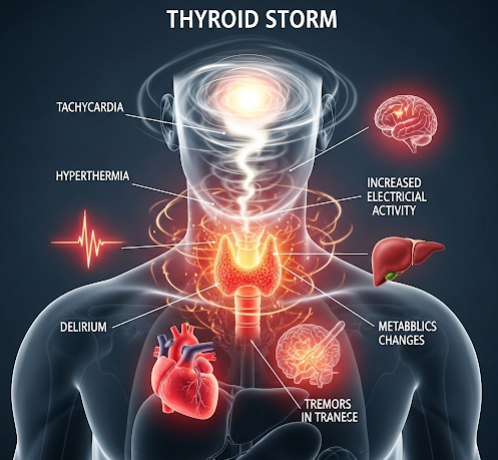
Overview Thyroid storm is a rare but life-threatening complication of hyperthyroidism, characterized by an extreme overproduction of thyroid hormones. This condition represents a medical emergency, as it can rapidly affect multiple organ systems, including the heart, liver, and nervous system. Prompt recognition and treatment are critical to prevent serious complications or death. South Korea is […]