
Tricuspid Atresia in Korea

Overview Tricuspid Atresia is a rare congenital heart defect characterized by the absence or underdevelopment of the tricuspid valve, which connects the right atrium to the right ventricle. This structural anomaly prevents normal blood flow from the right atrium to the right ventricle, resulting in inadequate oxygenation of blood and cyanosis (a bluish tint to […]
Trichomoniasis in Korea

Overview Trichomoniasis is a common sexually transmitted infection (STI) caused by the protozoan parasite Trichomonas vaginalis. It affects both men and women, though women are more frequently symptomatic. While often mild or asymptomatic, trichomoniasis can lead to significant reproductive health issues if left untreated, including increased susceptibility to other STIs, pelvic inflammatory disease, and pregnancy […]
Traumatic Brain Injury (TBI) in Korea

Overview Traumatic Brain Injury (TBI) is a serious medical condition resulting from a sudden impact or trauma to the head, leading to temporary or permanent brain dysfunction. It can range from mild concussions to severe brain damage with long-term cognitive, physical, and emotional consequences. TBI is a leading cause of disability worldwide, affecting individuals of […]
Transverse Myelitis in Korea
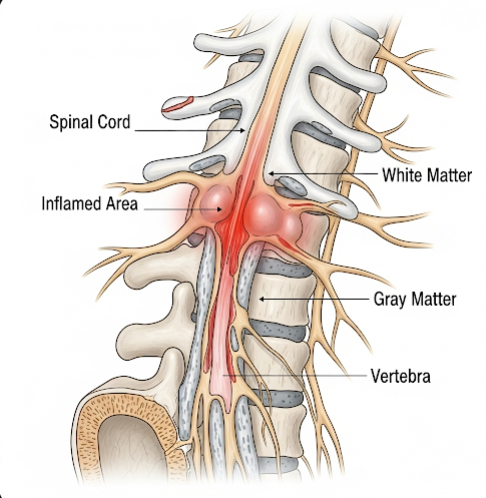
Overview Transverse Myelitis (TM) is a rare neurological disorder characterized by inflammation of the spinal cord, leading to motor, sensory, and autonomic dysfunction. It can affect any age group and may occur as a primary condition or secondary to infections, autoimmune diseases, or multiple sclerosis. The condition often develops rapidly, causing weakness, sensory disturbances, and […]
Toxoplasmosis in Korea
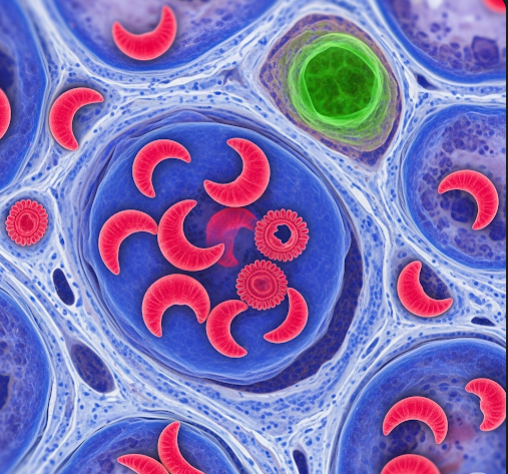
Overview Toxoplasmosis is an infectious disease caused by the protozoan parasite Toxoplasma gondii. It is one of the most common parasitic infections worldwide, often transmitted through undercooked meat, contaminated water, soil, or contact with cat feces. While most healthy individuals remain asymptomatic, toxoplasmosis can cause severe complications in pregnant women, newborns, and immunocompromised patients. South […]
Toxic Shock Syndrome in Korea

Overview Toxic Shock Syndrome (TSS) is a rare, life-threatening condition caused by bacterial toxins, most commonly from Staphylococcus aureus or Streptococcus pyogenes. It can develop rapidly, leading to high fever, hypotension, multi-organ dysfunction, and, in severe cases, death. TSS gained attention initially in the 1980s due to cases associated with tampon use, but it can […]
Toxic Epidermal Necrolysis in Korea

Overview Toxic Epidermal Necrolysis (TEN) is a rare but life-threatening skin disorder characterized by widespread detachment of the epidermis, mucosal involvement, and extensive blistering. It is considered a severe variant of Stevens-Johnson Syndrome (SJS) and is usually triggered by medications, infections, or rarely, vaccines. TEN can rapidly progress to systemic complications, including infections, fluid loss, […]
Tourette Syndrome in Korea

Overview Tourette Syndrome (TS) is a neurological disorder characterized by repetitive, involuntary movements and vocalizations known as tics. It usually begins in childhood, often between ages 5 and 10, and can persist into adulthood. The severity of tics varies, with some individuals experiencing mild, manageable symptoms and others facing significant social and functional challenges. South […]
Tooth Pain in Korea

Overview Tooth pain, also known as dental pain or odontalgia, is a common condition experienced by people of all ages. It can range from mild discomfort to severe, throbbing pain and may indicate underlying dental or systemic issues. Causes include tooth decay, abscesses, gum disease, trauma, or nerve-related problems. In South Korea, advanced dental care […]
Tooth Decay (Cavities) in Korea
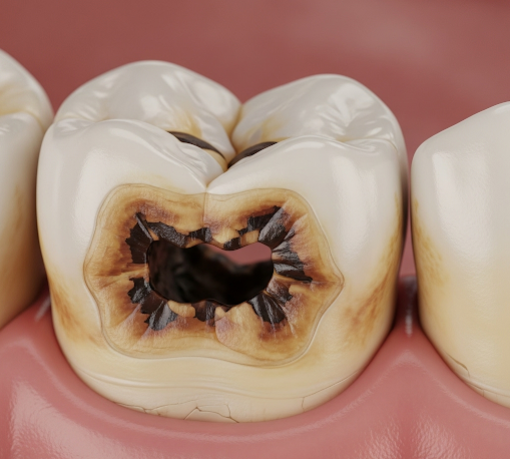
Overview Tooth decay, commonly known as cavities or dental caries, is a prevalent oral health issue resulting from the destruction of tooth enamel and underlying dentin by acid-producing bacteria. If left untreated, cavities can lead to pain, infection, tooth loss, and complications affecting overall health. South Korea provides comprehensive dental care for cavities, including early […]