
Trigeminal Neuralgia in Korea
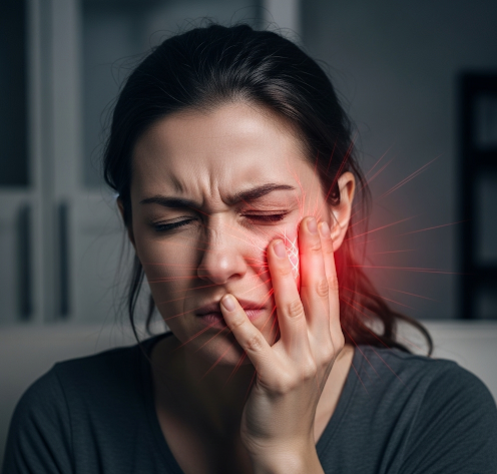
Overview Trigeminal Neuralgia (TN) is a chronic pain condition affecting the trigeminal nerve, one of the largest nerves in the head responsible for sensation in the face. TN is characterized by sudden, severe, stabbing facial pain that can last from a few seconds to several minutes, often triggered by routine activities such as talking, chewing, […]
Trichotillomania in Korea

Overview Trichotillomania is a psychological disorder characterized by the recurrent, irresistible urge to pull out one’s own hair, leading to noticeable hair loss and significant distress or functional impairment. Classified under obsessive-compulsive and related disorders, trichotillomania can affect the scalp, eyebrows, eyelashes, or other body hair. In South Korea, mental health professionals, including psychiatrists, psychologists, […]
Tree Nut Allergy in Korea

Overview Tree nut allergy is a common and potentially severe food allergy caused by an immune system reaction to proteins found in nuts such as almonds, walnuts, cashews, hazelnuts, pistachios, and Brazil nuts. This condition can trigger symptoms ranging from mild oral irritation to life-threatening anaphylaxis. In South Korea, allergists and immunologists provide comprehensive evaluation, […]
Transient Ischaemic Attack in Korea
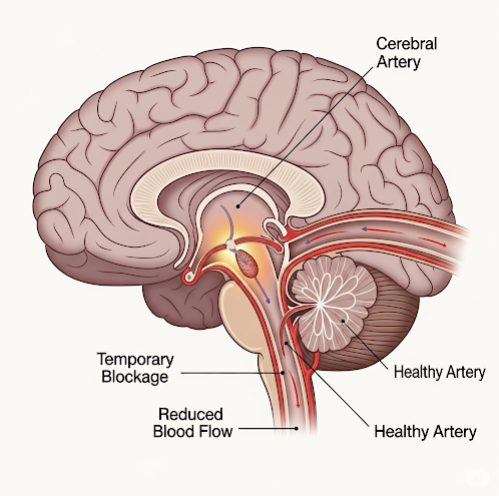
Overview A Transient Ischaemic Attack (TIA), often called a mini-stroke, is a temporary interruption of blood flow to the brain that produces stroke-like symptoms lasting only a few minutes to hours. While TIAs do not usually cause permanent brain damage, they are a critical warning sign of a possible future stroke. In South Korea, advanced […]
Trachoma in Korea
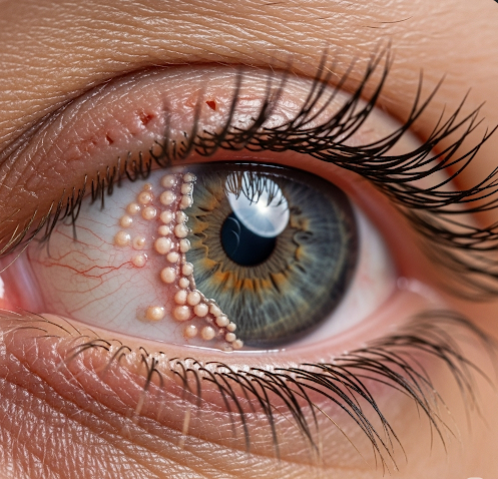
Overview Trachoma is a contagious bacterial eye infection caused by Chlamydia trachomatis. It is the leading infectious cause of blindness worldwide, primarily affecting the conjunctiva and cornea. While trachoma is less common in South Korea due to improved sanitation and public health measures, cases can still occur, especially among travelers or in areas with poor […]
Toxoplasmosis in Korea

Overview Toxoplasmosis is an infectious disease caused by the protozoan parasite Toxoplasma gondii. It is one of the most common parasitic infections worldwide and can affect humans and animals. In most healthy individuals, toxoplasmosis causes mild or no symptoms, but in immunocompromised patients and pregnant women, it can lead to severe complications, including congenital infections. […]
Toxic Shock Syndrome (TSS) in Korea

Overview Toxic Shock Syndrome (TSS) is a rare but life-threatening condition caused by toxins produced by certain strains of bacteria, most commonly Staphylococcus aureus and Streptococcus pyogenes. TSS can develop rapidly and affect multiple organ systems, leading to shock, organ failure, and, if untreated, death. In South Korea, advanced hospitals and infectious disease specialists provide […]
Tongue and Mouth Cuts in Korea

Overview Cuts or lacerations of the tongue and mouth are common injuries that can result from accidental bites, trauma, or sharp foods. Although most are minor, they can cause significant pain, difficulty speaking or eating, and may become infected if not properly treated. In South Korea, oral and maxillofacial specialists provide advanced diagnostic evaluation, treatment […]
Toenail Infection in Korea
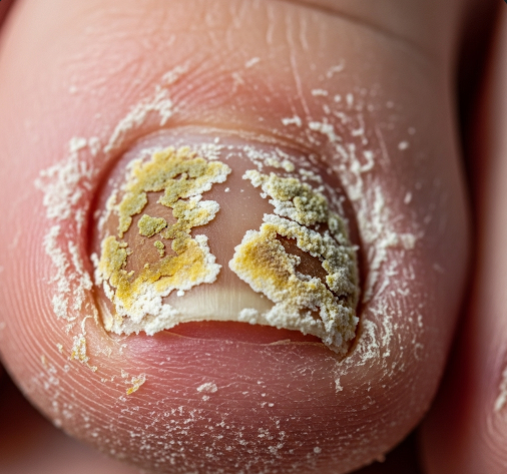
Overview A toenail infection, medically known as onychomycosis, is a fungal infection that affects the toenails, leading to discoloration, thickening, and crumbling of the nails. It is one of the most common nail disorders worldwide and can cause discomfort, pain, and cosmetic concerns. In South Korea, toenail infections are frequently diagnosed in both urban and […]
Toe Fracture in Korea
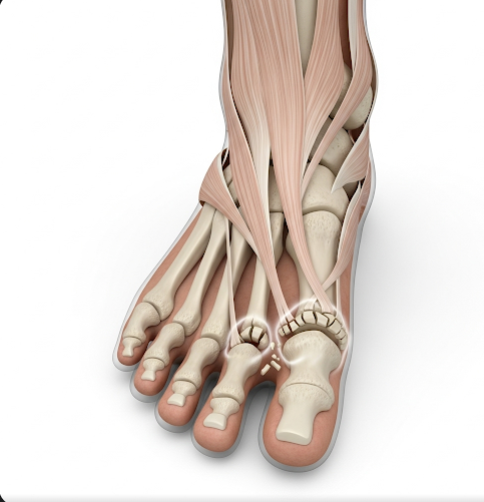
Overview A toe fracture is a break or crack in one or more of the bones in the toes, often resulting from trauma, sports injuries, or accidents. While sometimes considered minor compared to other fractures, toe fractures can cause significant pain, swelling, and difficulty walking. In South Korea, orthopedic specialists provide advanced diagnostic imaging, precise […]