
Back Pain in Korea

Overview Back pain is one of the most common health complaints worldwide and a leading cause of disability, affecting people of all ages and lifestyles. It can range from mild, short-term discomfort to severe, chronic pain that significantly impacts daily life and mobility. The pain may be localized to a specific area of the back […]
Babesiosis in Korea
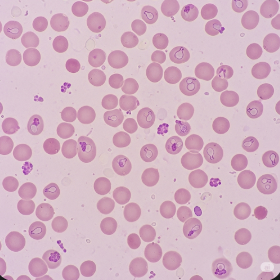
Overview Babesiosis is a rare but potentially serious parasitic infection caused by microscopic organisms belonging to the genus Babesia. These parasites infect and destroy red blood cells, leading to symptoms ranging from mild flu-like illness to life-threatening complications, particularly in people with weakened immune systems or other underlying health conditions. While babesiosis is more common […]
Toxic Fumes (Inhaled) in Korea

Overview Toxic fumes, also referred to as inhalation of hazardous gases or chemical vapors, pose a significant health risk when inhaled, causing respiratory, cardiovascular, and neurological complications. Exposure can occur in industrial workplaces, households, laboratories, or during accidents involving chemicals or fire. In South Korea, strict occupational safety regulations, advanced emergency care, and toxicology expertise […]
Torticollis Neck Strain in Korea
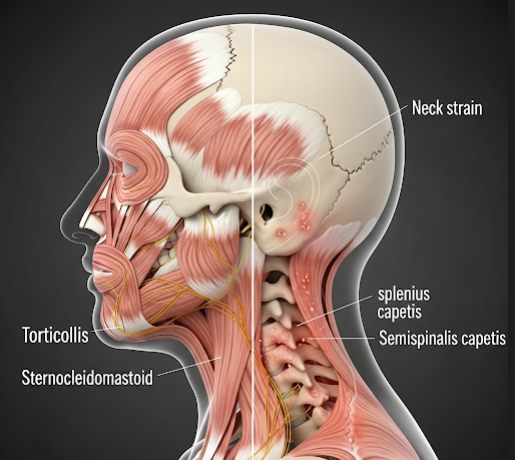
Overview Torticollis, commonly known as neck strain or “wry neck,” is a condition characterized by abnormal, often painful, tilting or rotation of the head. It can occur due to muscle contractions, injury, or neurological disorders. Torticollis can be congenital, appearing at birth, or acquired later in life due to trauma, repetitive strain, or infections. In […]
Turner Syndrome (TS) in Korea
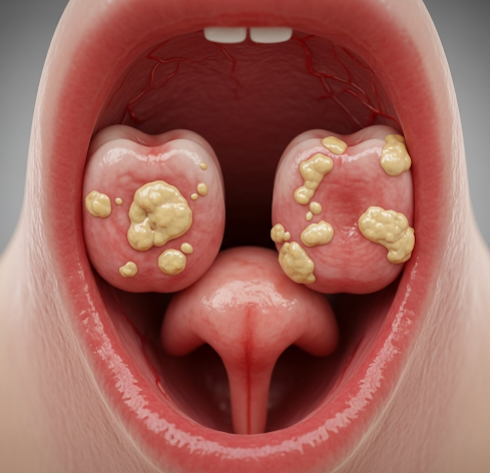
Overview Turner Syndrome (TS) is a rare genetic condition affecting females, caused by a complete or partial absence of one of the X chromosomes. It occurs in approximately 1 in 2,500 live female births worldwide. Turner Syndrome is characterized by short stature, ovarian insufficiency, and a variety of congenital abnormalities affecting the heart, kidneys, and […]
Tonsil Stones in Korea
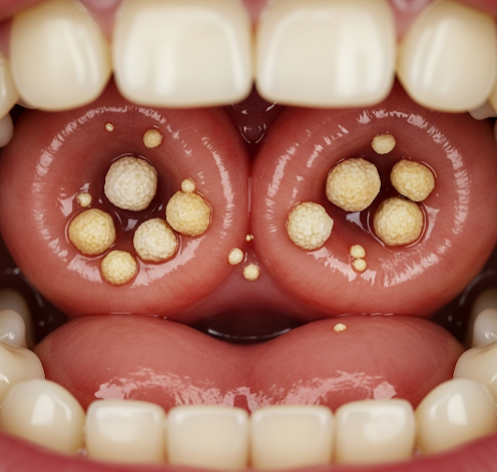
Overview Tonsil stones, medically known as tonsilloliths, are small, calcified formations that develop in the crevices of the tonsils. They are typically composed of bacteria, dead cells, mucus, and food particles that become trapped and calcified over time. While generally harmless, tonsil stones can cause discomfort, bad breath, and throat irritation. In South Korea, ENT […]
Tumours (Cancer) in Korea
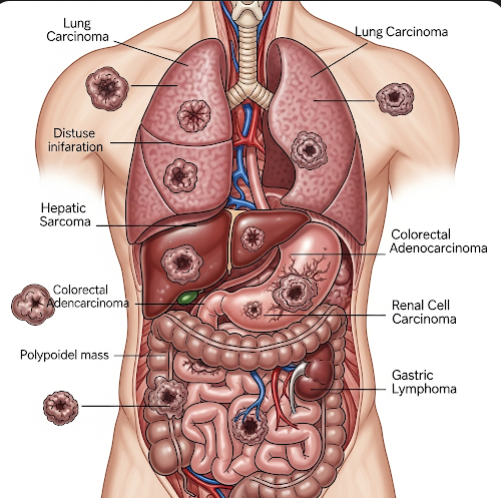
Overview Tumors, commonly referred to as cancer, are abnormal growths of cells that can be benign (non-cancerous) or malignant (cancerous). Malignant tumors have the potential to invade surrounding tissues, spread to other parts of the body, and disrupt normal organ function. Cancer represents a significant health concern worldwide, including South Korea, where advances in early […]
Tuberous Sclerosis in Korea
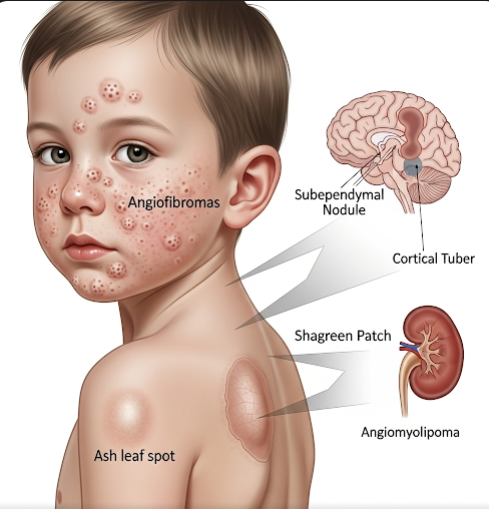
Overview Tuberous Sclerosis Complex (TSC) is a rare genetic disorder characterized by the growth of benign tumors in multiple organs, including the brain, skin, kidneys, heart, and lungs. These growths can lead to a wide range of neurological, dermatological, and systemic symptoms. In South Korea, advanced genetic testing, imaging techniques, and multidisciplinary management are available […]
TSS (Toxic Shock Syndrome) in Korea
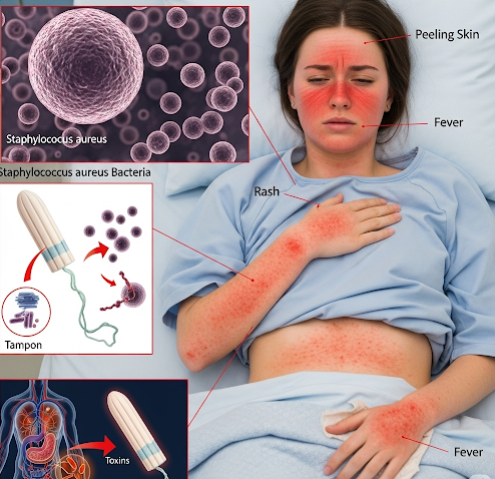
Overview Toxic Shock Syndrome (TSS) is a rare but life-threatening condition caused by bacterial toxins, most commonly produced by Staphylococcus aureus or Streptococcus pyogenes. These toxins trigger a massive immune response, leading to systemic inflammation, organ dysfunction, and potentially death if untreated. In South Korea, advanced medical centers and hospitals provide rapid diagnosis, intensive care, […]
Trisomy 18 in Korea
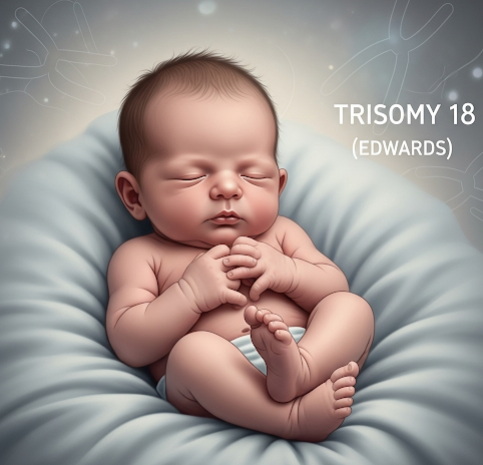
Overview Trisomy 18, also known as Edwards Syndrome, is a rare genetic disorder caused by the presence of an extra chromosome 18. This chromosomal abnormality leads to severe developmental and medical complications affecting multiple organ systems. The condition is associated with high mortality in infancy and significant health challenges in survivors. In South Korea, advanced […]