
Benign Prostatic Hyperplasia (BPH) in Korea

Overview Benign Prostatic Hyperplasia (BPH) is a common condition in older men characterized by non-cancerous enlargement of the prostate gland, which surrounds the urethra. As the prostate enlarges, it can compress the urethra and cause urinary symptoms such as difficulty starting urination, weak stream, or frequent nighttime urination. BPH does not lead to prostate cancer, […]
Benign Paroxysmal Positional Vertigo (BPPV) in Korea

Overview Benign Paroxysmal Positional Vertigo (BPPV) is a common inner ear disorder that causes brief episodes of spinning dizziness, often triggered by changes in head position. The term “benign” indicates that the condition is not life-threatening, and “paroxysmal” refers to the sudden onset of symptoms. BPPV occurs when tiny calcium crystals called otoconia become dislodged […]
Benign Liver Tumor in Korea
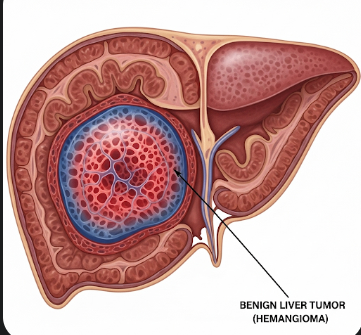
Overview Benign liver tumors are noncancerous growths in the liver that generally do not spread to other parts of the body. They are often discovered incidentally during imaging tests performed for unrelated reasons. While most benign liver tumors cause no symptoms and require no treatment, certain types may lead to discomfort, complications, or confusion with […]
Benign Intracranial Hypertension in Korea
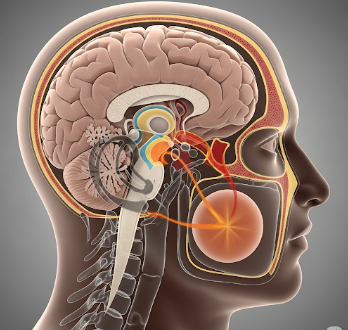
Overview Benign Intracranial Hypertension (BIH), also known as Idiopathic Intracranial Hypertension (IIH) or pseudotumor cerebri, is a neurological condition where the pressure inside the skull (intracranial pressure) is elevated without an obvious cause such as a brain tumor or infection. Despite the term “benign,” the condition can cause significant symptoms, including severe headaches and vision […]
Benign Fasciculation Syndrome in Korea

Overview Benign Fasciculation Syndrome (BFS) is a neurological condition characterized by frequent, involuntary muscle twitches, usually in the arms, legs, face, or other parts of the body. Unlike twitches caused by serious neuromuscular disorders, BFS is not associated with muscle weakness, atrophy, or progressive nerve damage. The term “benign” reflects its non-life-threatening nature, although the […]
Bell’s Palsy in Korea

Overview Bell’s palsy is a sudden, temporary weakness or paralysis of the muscles on one side of the face, usually caused by inflammation or compression of the facial nerve (cranial nerve VII). This condition can cause drooping of the mouth, inability to close the eye, and changes in facial expression. While the exact cause is […]
Behcet’s Disease in Korea
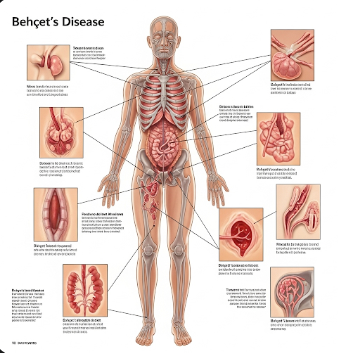
Overview Behçet’s disease is a rare, chronic inflammatory disorder that affects multiple organ systems, including the mouth, eyes, skin, joints, blood vessels, and sometimes the nervous system and gastrointestinal tract. The condition is characterized by recurrent episodes of inflammation that can vary in severity and location over time. While its exact cause is unknown, Behçet’s […]
Bee Sting Allergy in Korea

Overview A bee sting allergy is an exaggerated immune system reaction to the venom injected by a bee. While most people experience mild, localized pain and swelling after a bee sting, individuals with a bee sting allergy may develop severe allergic symptoms, including life-threatening anaphylaxis. In Korea, bee stings are more common in rural areas, […]
Battered Person Syndrome in Korea

Overview Battered Person Syndrome (BPS) is a psychological condition that develops in individuals who have experienced prolonged and repeated abuse—whether physical, emotional, or psychological—from a partner, family member, or caregiver. Although it is most commonly discussed in the context of domestic violence against women, BPS can affect any gender, age group, or relationship type, including […]
Battered Child Syndrome in Korea

Overview Battered Child Syndrome (BCS) is a serious form of child abuse characterized by repeated physical injuries inflicted on a child by a parent, caregiver, or other responsible adult. It is not a single incident but rather a pattern of physical harm over time, often accompanied by emotional neglect or psychological trauma. BCS is recognized […]