
Blepharitis in Korea
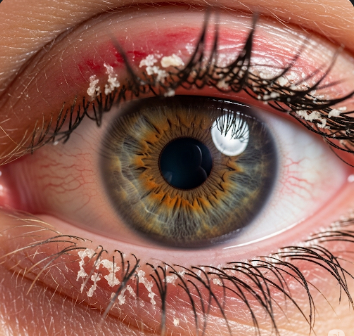
Overview Blepharitis is a common inflammation of the eyelid margins, often causing redness, irritation, and crusting around the eyelashes. It is a chronic condition that can affect people of all ages and is frequently associated with other ocular or systemic conditions such as dry eye syndrome, rosacea, or seborrheic dermatitis. In Korea, ophthalmology clinics provide […]
Bleeding After Menopause in Korea

Overview Bleeding after menopause, also called postmenopausal bleeding (PMB), refers to any vaginal bleeding occurring after a woman has gone through menopause, typically defined as 12 consecutive months without menstruation. Although sometimes benign, PMB can be a sign of serious underlying conditions, including uterine or endometrial cancer, atrophic changes, or hormonal imbalances. In Korea, postmenopausal […]
Bleeding Gums in Korea
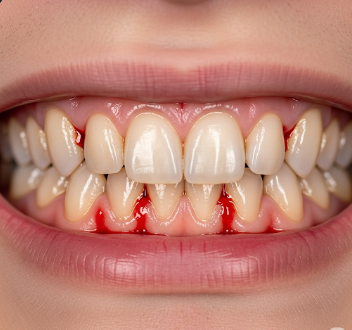
Overview Bleeding gums, medically known as gingival bleeding, occur when the soft tissue surrounding the teeth becomes inflamed, damaged, or infected. This symptom is often an early sign of gum disease (gingivitis or periodontitis), but it can also indicate systemic health issues, vitamin deficiencies, or medication side effects. In Korea, dental care is highly advanced, […]
Bleeding Disorders in Korea
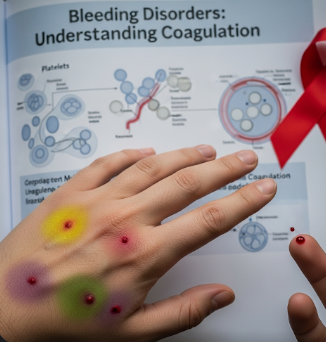
Overview Bleeding disorders are a group of conditions in which the body’s ability to form blood clots is impaired, leading to excessive or prolonged bleeding. These disorders can range from mild, easily managed conditions to life-threatening diseases that require ongoing medical care. In Korea, advanced hematology departments, specialized clinics, and blood transfusion centers provide comprehensive […]
Blastomycosis in Korea
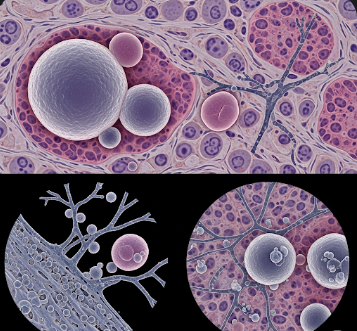
Overview Blastomycosis is a rare fungal infection caused by the dimorphic fungus Blastomyces dermatitidis. This infection primarily affects the lungs but can also spread to the skin, bones, and other organs. Although blastomycosis is uncommon in Korea, international travel, immunocompromised individuals, and imported cases have led to occasional reports. Korean medical centers with infectious disease […]
Bladder Prolapse in Korea
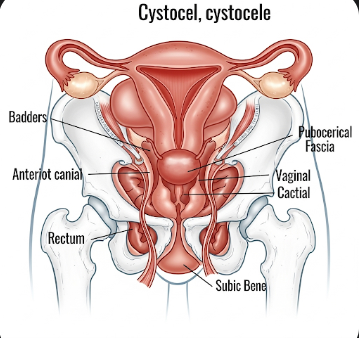
Overview Bladder prolapse, medically known as cystocele, occurs when the bladder descends from its normal position into the vaginal wall due to weakening of the pelvic floor muscles and connective tissues. It is a common type of pelvic organ prolapse in women, particularly after childbirth, menopause, or chronic straining. In Korea, awareness, early diagnosis, and […]
Bladder Infection in Korea
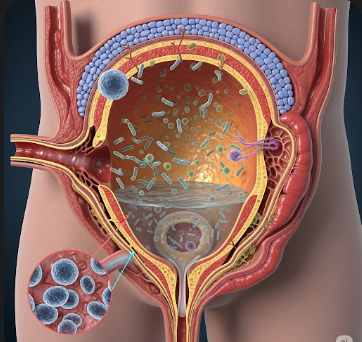
Overview A bladder infection, medically referred to as cystitis, is a type of urinary tract infection (UTI) that primarily affects the bladder. It occurs when bacteria enter the urinary tract and multiply, causing inflammation of the bladder lining. Bladder infections are common in women but can also affect men, children, and the elderly. In Korea, […]
Bladder Cancer in Korea
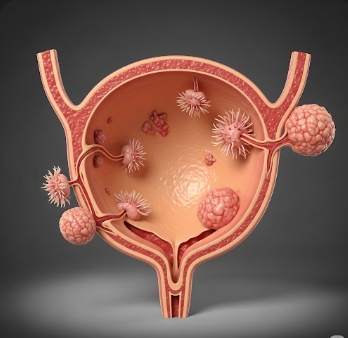
Overview Bladder cancer is a malignant tumor originating in the lining of the bladder, most commonly the urothelial cells that line the inner surface. It is one of the most common urological cancers worldwide and is prevalent in both men and women, though men are affected more frequently. Early detection is crucial because bladder cancer […]
Bites and Stings in Korea
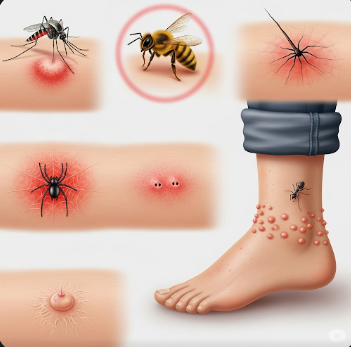
Overview Bites and stings occur when humans come into contact with insects, arachnids, snakes, or other animals, leading to local or systemic reactions. While most bites and stings are minor and cause temporary discomfort, some can result in allergic reactions, infections, or severe medical complications. In Korea, medical facilities provide immediate treatment for bites and […]
Birth Differences (Congenital Anomalies) in Korea

Overview Birth differences, commonly referred to as congenital anomalies, are structural, functional, or metabolic abnormalities present at birth. These anomalies can range from mild and manageable conditions to severe disorders that affect multiple organs and systems. Common examples include heart defects, cleft lip and palate, limb malformations, neural tube defects, and genetic syndromes such as […]