
Blount’s Disease in Korea

Overview Blount’s disease is a growth disorder of the shin bone (tibia) that causes abnormal bowing of the legs, primarily affecting young children and adolescents. The condition results from impaired growth at the medial part of the proximal tibial growth plate, leading to progressive deformity if untreated. In Korea, Blount’s disease is recognized early through […]
Blood-Borne Viruses (BBVs) in Korea

Overview Blood-borne viruses (BBVs) are viruses that spread primarily through contact with infected blood or other body fluids, including semen and vaginal secretions. These infections pose a significant public health concern worldwide, including in Korea, due to their potential to cause chronic disease, liver damage, immune suppression, and long-term health complications. Korean healthcare systems emphasize […]
Blood Pressure (Low) in Korea

Overview Low blood pressure, medically known as hypotension, occurs when the force of blood against the walls of the arteries is lower than normal, often leading to insufficient blood flow to vital organs such as the brain, heart, and kidneys. While mild hypotension may be asymptomatic and even healthy in some individuals, severe or chronic […]
Blood Pressure (High) in Korea
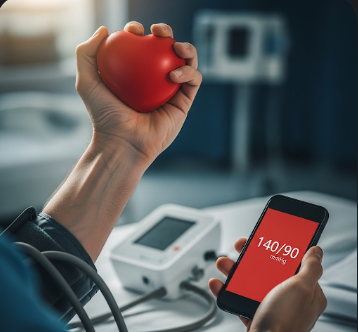
Overview High blood pressure, medically known as hypertension, is a chronic condition in which the force of blood against the walls of the arteries is persistently elevated. Hypertension is a major risk factor for heart disease, stroke, kidney disease, and other cardiovascular complications. In Korea, it is a common health concern, particularly among adults over […]
Blood Poisoning (Sepsis) in Korea

Overview Blood poisoning, medically known as sepsis, is a life-threatening condition caused by the body’s extreme response to infection. When an infection spreads into the bloodstream, it can trigger widespread inflammation, organ dysfunction, and potentially septic shock. Sepsis is a medical emergency that requires immediate recognition and treatment to prevent multi-organ failure and death. In […]
Blood Disorders in Korea
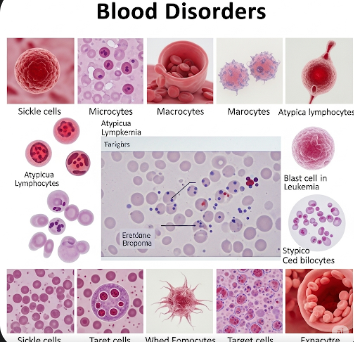
Overview Blood disorders encompass a wide range of conditions affecting the composition, function, or production of blood cells and clotting factors. These disorders can impact red blood cells, white blood cells, platelets, or plasma proteins, leading to symptoms ranging from mild fatigue to life-threatening complications. In Korea, patients benefit from advanced hematology services, state-of-the-art diagnostic […]
Blood Clot in Korea
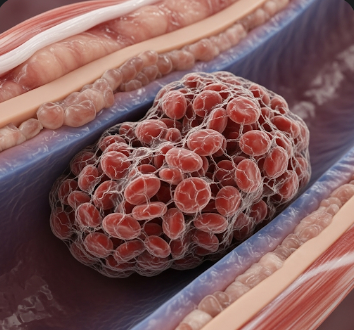
Overview A blood clot, medically known as thrombosis, is a clump of blood that has changed from a liquid to a gel-like or solid state. Blood clots are part of the body’s normal healing process, stopping bleeding after an injury. However, abnormal clot formation inside blood vessels can be dangerous, potentially leading to life-threatening conditions […]
Bloating in Korea

Overview Bloating is a common gastrointestinal symptom characterized by a feeling of fullness, tightness, or distension in the abdomen. While often temporary and benign, persistent or severe bloating can indicate underlying digestive disorders. In Korea, advanced gastroenterology services, diagnostic testing, and dietary management programs provide effective evaluation and treatment options for patients experiencing bloating. Bloating […]
Blindness in Korea

Overview Blindness is a condition characterized by partial or complete loss of vision, significantly affecting daily functioning and quality of life. It can result from congenital issues, injury, infections, or chronic eye diseases. In Korea, advanced ophthalmology services, cutting-edge surgical treatments, and vision rehabilitation programs provide comprehensive care for individuals with blindness. Blindness impacts not […]
Blepharospasm in Korea

Overview Blepharospasm is a neurological condition characterized by involuntary, repetitive contractions of the eyelid muscles, leading to excessive blinking or forced closure of the eyes. It is classified as a focal dystonia, meaning it affects a specific part of the body—the eyelids. Although relatively rare, blepharospasm can significantly impact daily life, making reading, driving, or […]