
Blood in Stool in Korea
Overview Blood in stool, medically referred to as hematochezia (bright red blood) or melena (black, tarry stools), is a concerning symptom that indicates bleeding somewhere in the gastrointestinal (GI) tract. The color, consistency, and frequency of blood can help determine the source of bleeding, ranging from minor conditions such as hemorrhoids to more serious gastrointestinal […]
Bleeding Between Periods in Korea

Overview Bleeding between periods, medically known as intermenstrual bleeding, refers to any vaginal bleeding that occurs outside a woman’s regular menstrual cycle. While occasional light spotting is often harmless, persistent or heavy bleeding may indicate hormonal imbalances, infections, or underlying gynecological conditions. In Korea, women’s health clinics and hospitals provide specialized diagnostic evaluations, hormonal assessments, […]
Blood in Semen in Korea
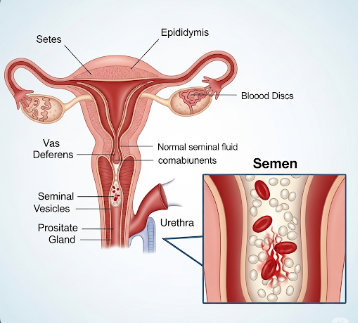
Overview Blood in semen, medically known as hematospermia, is the presence of red or brown discoloration in ejaculate. While often alarming, it is usually benign and self-limiting, particularly in men under 40. However, persistent or recurrent hematospermia may indicate underlying urological conditions such as infections, inflammation, or, rarely, tumors. In Korea, urology specialists and hospitals […]
Blackouts in Korea

Overview Blackouts, medically referred to as syncope or temporary loss of consciousness, are episodes where an individual suddenly becomes unresponsive and may collapse. These events are usually brief, lasting seconds to a few minutes, and can occur due to insufficient blood flow or oxygen to the brain. While some blackouts are benign, others may signal […]
Bloating in Korea
Overview Bloating is a common digestive symptom characterized by a feeling of fullness, tightness, or distension in the abdomen. It can occur after meals, during hormonal changes, or as a result of underlying gastrointestinal issues. While occasional bloating is generally harmless, persistent or severe bloating may indicate digestive disorders, food intolerances, or other health concerns. […]
Black Eye in Korea

Overview A black eye, medically known as a periorbital hematoma, occurs when blood and fluid collect in the tissues surrounding the eye, usually following trauma to the face or head. It is characterized by discoloration, swelling, and bruising around the affected eye. While a black eye is often minor and self-limiting, it can occasionally indicate […]
Anal Pain in Korea
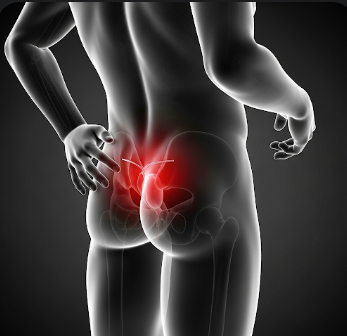
Overview Anal pain, also known as proctalgia, refers to discomfort or pain in or around the anus. It can range from mild irritation to severe, debilitating pain that interferes with daily activities such as sitting, walking, or using the bathroom. While minor conditions like hemorrhoids or fissures often cause it, persistent anal pain may indicate […]
Aches and Pains in Korea

Overview Aches and pains are among the most common health complaints, affecting people of all ages. They can range from mild discomfort to severe, persistent pain that interferes with daily activities such as work, exercise, or sleep. Occasional aches are often temporary and linked to lifestyle factors like exercise, posture, or stress, while chronic or […]
Anxiety in Teenagers in Korea

Overview Anxiety in teenagers is a common mental health concern characterized by excessive worry, fear, or nervousness that interferes with daily life. Adolescence is a period of rapid physical, emotional, and social changes, making teenagers particularly vulnerable to anxiety disorders. While occasional stress is normal, persistent anxiety can affect school performance, relationships, sleep, and overall […]
Amenorrhoea in Korea

Overview Amenorrhoea is the absence of menstruation in women of reproductive age. It can be classified as primary (when a woman has never had a period by age 15–16) or secondary (when menstruation stops for three months or more in women who previously had regular cycles). While occasional missed periods can be normal, persistent amenorrhoea […]