
Cough in Korea

Overview Cough is a common reflex action that helps clear the airways of mucus, irritants, or foreign particles. It can be acute, lasting a few days, or chronic, persisting for weeks or months, and may indicate respiratory infections, allergies, or underlying medical conditions. In Korea, hospitals and clinics provide advanced diagnostics, medical treatments, and preventive […]
Chronic Wounds in Korea
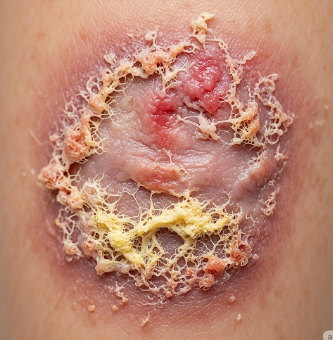
Overview Chronic wounds are injuries to the skin or underlying tissues that fail to heal within a normal timeframe, typically persisting for more than 4–6 weeks. These wounds can result from vascular insufficiency, diabetes, infections, or pressure injuries, and pose a significant risk of complications such as infection, tissue damage, and reduced mobility. In Korea, […]
Car Sick in Korea

Overview Car sickness, medically referred to as motion sickness, is a condition where the brain receives conflicting signals from the inner ear, eyes, and sensory nerves, causing discomfort during travel in a car, bus, plane, or boat. Children, teenagers, and sensitive adults are particularly prone to this condition. Symptoms range from nausea and dizziness to […]
Constipation in Children in Korea

Overview Constipation in children is a common digestive issue characterized by infrequent, difficult, or painful bowel movements. It can affect infants, toddlers, and school-aged children, impacting their comfort, appetite, and overall well-being. While occasional constipation may result from dietary changes or dehydration, persistent constipation may signal underlying gastrointestinal disorders or behavioral factors. In Korea, pediatric […]
Choking in Korea

Overview Choking occurs when the airway becomes partially or completely blocked, preventing normal breathing. This can happen due to food, foreign objects, or swelling in the throat, and may lead to life-threatening oxygen deprivation if not addressed promptly. While occasional minor choking episodes are common, severe or recurrent choking requires immediate medical attention. In Korea, […]
Calf Pain in Korea

Overview Calf pain, commonly referred to as gastrocnemius or leg muscle pain, is a sensation of discomfort, stiffness, or cramping in the lower back portion of the leg between the knee and ankle. It can occur suddenly during activity or gradually over time, and may result from muscle strain, injury, circulatory issues, or underlying medical […]
Burping in Korea

Overview Burping, medically known as eructation, is the act of expelling gas from the stomach through the mouth, often accompanied by a sound. It is a common digestive process that helps release swallowed air and relieve gastric pressure. While occasional burping is normal, excessive or persistent burping may indicate underlying digestive issues such as acid […]
Blood in Urine in Korea

Overview Blood in urine, medically known as hematuria, is a condition where red blood cells are present in the urine. It may appear as pink, red, or cola-colored urine, depending on the amount and source of bleeding. Hematuria can be visible (gross hematuria) or detectable only under a microscope (microscopic hematuria). While sometimes harmless, blood […]
Bleeding Gums in Korea
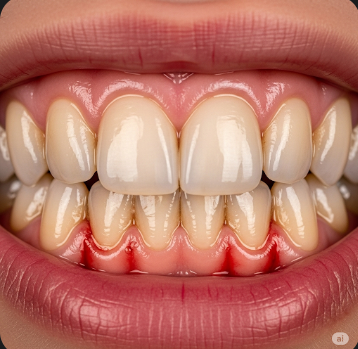
Overview Bleeding gums, medically referred to as gingival bleeding, occur when the gum tissue becomes inflamed, sensitive, or damaged, causing blood to appear during brushing, flossing, or even spontaneously. While occasional minor bleeding may result from aggressive brushing or trauma, persistent or recurrent bleeding can indicate underlying gum disease, nutritional deficiencies, systemic conditions, or medication […]
Breathing Problems in Korea

Overview Breathing problems, medically referred to as dyspnea, encompass a range of respiratory difficulties, including shortness of breath, wheezing, or difficulty inhaling and exhaling. These issues may arise acutely, such as during an asthma attack, or develop chronically due to conditions like chronic obstructive pulmonary disease (COPD) or heart disease. In Korea, hospitals and specialized […]