
Left Arm Numb in Korea

Overview Left arm numbness is a sensation of tingling, reduced feeling, or complete loss of sensation in the left arm. It can occur suddenly or gradually and may affect the hand, forearm, or entire arm. While it is sometimes caused by temporary nerve compression or poor posture, it can also signal serious medical conditions, such […]
Kussmaul Breathing in Korea

Overview Kussmaul breathing is a deep, labored, and rapid breathing pattern that often indicates a severe underlying metabolic condition. Named after the German physician Adolf Kussmaul, this breathing pattern is most commonly associated with metabolic acidosis, particularly diabetic ketoacidosis (DKA). In Korea, hospitals and intensive care units (ICUs) are equipped to detect and treat Kussmaul […]
Koilonychia (Spoon Nails) in Korea

Overview Koilonychia, commonly known as spoon nails, is a nail disorder characterized by thin, concave, or spoon-shaped fingernails or toenails. The condition can be subtle initially but may progress to more pronounced deformities. Spoon nails can indicate underlying nutritional deficiencies, systemic conditions, or chronic trauma to the nails. In Korea, dermatology and internal medicine clinics […]
Knee Pain in Korea

Overview Knee pain is one of the most common musculoskeletal complaints, affecting people of all ages. It refers to discomfort or pain in or around the knee joint, which may be acute or chronic, mild or severe. Knee pain can result from injuries, degenerative conditions, inflammatory diseases, or biomechanical issues. In Korea, orthopedic and rehabilitation […]
Kidney Pain in Korea

Overview Kidney pain is discomfort or pain felt in the area of the lower back, just below the rib cage, on either side of the spine. It can be sharp, dull, or cramping, depending on the underlying cause. Kidney pain is often associated with urinary tract infections (UTIs), kidney stones, or kidney disease, but can […]
Ketones in Urine During Pregnancy in Korea

Overview Ketones in urine during pregnancy refers to the presence of ketone bodies—byproducts of fat metabolism—in a pregnant woman’s urine. Normally, the body uses glucose for energy, but when glucose is insufficient, it breaks down fat, producing ketones. During pregnancy, ketonuria can be a warning sign of inadequate nutrition, dehydration, or gestational diabetes, and persistent […]
Kayser-Fleischer Rings in Korea
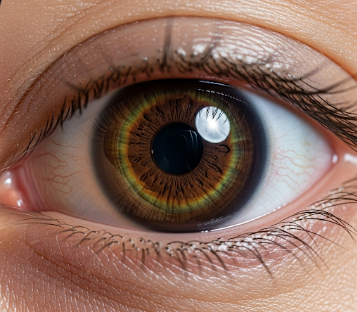
Overview Kayser-Fleischer (KF) rings are golden-brown or greenish-brown rings around the cornea of the eye, visible at the junction of the cornea and sclera (the limbus). These rings result from copper deposition in Descemet’s membrane and are a hallmark sign of Wilson’s disease, a rare genetic disorder affecting copper metabolism. In Korea, ophthalmology and hepatology […]
Kaleidoscope Vision in Korea

Overview Kaleidoscope vision is a visual disturbance characterized by seeing multi-colored patterns, wavy lines, or fragmented images, often resembling the view through a kaleidoscope. This phenomenon can be temporary or recurrent and may be associated with migraine, eye disorders, or neurological conditions. In Korea, ophthalmology and neurology clinics provide advanced diagnostic services for kaleidoscope vision, […]
Jaundice in adults in Korea

Overview Jaundice is a medical condition characterized by yellowing of the skin, eyes, and mucous membranes, caused by the accumulation of bilirubin in the blood. While it is commonly associated with newborns, jaundice in adults can indicate serious underlying liver, gallbladder, or blood disorders. In Korea, hepatology and gastroenterology clinics provide comprehensive evaluation and treatment […]
Jugular Vein Distention in Korea

Overview Jugular vein distention (JVD) is a clinical sign where the jugular veins in the neck appear visibly swollen or enlarged. It is often a symptom of underlying cardiovascular or systemic conditions, rather than a disease itself. JVD can indicate elevated central venous pressure, which is commonly associated with heart failure, fluid overload, or venous […]