
Lower Abdominal Pain in Korea

Overview Lower abdominal pain refers to discomfort or aching in the area below the belly button, including the pelvic region. It is a common symptom experienced by individuals of all ages and can range from mild and intermittent to severe and persistent. In Korea, hospitals and clinics provide comprehensive evaluation for lower abdominal pain, using […]
Low Hemoglobin in Korea

Overview Low hemoglobin, also called anemia, occurs when the concentration of hemoglobin in the blood drops below normal levels. Hemoglobin is the protein in red blood cells responsible for carrying oxygen from the lungs to tissues. Low hemoglobin reduces oxygen delivery, leading to fatigue, weakness, and organ stress. In Korea, hematology and general medicine clinics […]
Loss of Taste and Smell in Korea

Overview Loss of taste and smell, medically known as anosmia (loss of smell) and ageusia (loss of taste), refers to a partial or complete inability to detect odors and flavors. These senses are essential for enjoying food, detecting hazards, and maintaining overall quality of life. In Korea, hospitals and ENT (Ear, Nose, and Throat) clinics […]
Loss of Appetite in Korea
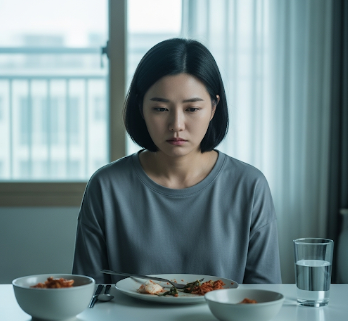
Overview Loss of appetite, also known as anorexia (not to be confused with anorexia nervosa), is a reduced desire to eat or lack of interest in food. It can be temporary or chronic and may affect nutrition, energy levels, and overall health. In Korea, hospitals and clinics provide comprehensive evaluation and treatment for loss of […]
Lightning Crotch in Korea

Overview Lightning crotch is a term commonly used to describe sudden, sharp, shooting pains in the pelvic or vaginal area, often experienced by pregnant women. The sensation can be brief but intense, resembling an electric shock, and is usually triggered by movement, sudden position changes, or pressure on the pelvic region. In Korea, obstetrics and […]
Lhermitte’s Sign in Korea

Overview Lhermitte’s Sign is a neurological symptom characterized by a sudden, brief, electric-shock-like sensation that travels down the spine and often into the arms and legs when the neck is flexed forward. It is not a disease itself, but a clinical sign that often indicates demyelination or irritation of the cervical spinal cord. In Korea, […]
Leukocoria in Korea

Overview Leukocoria is a medical term for a white reflection or white pupil, often noticeable in photographs or in dim light. It is sometimes called a “cat’s eye reflex” and can affect one or both eyes. Leukocoria is not a disease itself but a sign of an underlying eye condition, which can range from benign […]
Lethargy in Korea
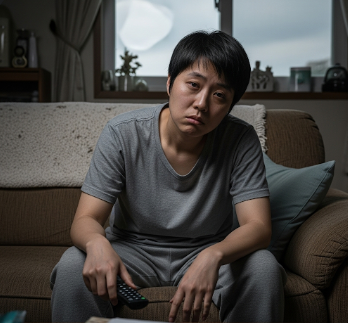
Overview Lethargy is a state of abnormal tiredness, fatigue, or lack of energy, often accompanied by decreased motivation, drowsiness, and slowed physical or mental activity. It is more than ordinary tiredness and may indicate underlying medical, neurological, or psychological conditions. In Korea, hospitals and clinics provide comprehensive evaluation for lethargy, including blood tests, neurological assessments, […]
Leg Pain in Korea

Overview Leg pain is a common symptom that can range from mild discomfort to severe, debilitating pain. It can affect the thigh, knee, calf, ankle, or foot, and may be acute or chronic. Causes vary widely, from muscle strain or overuse to circulatory, neurological, or joint disorders. In Korea, hospitals and clinics provide advanced diagnostics […]
Left-Side Chest Pain in Korea

Overview Left-side chest pain refers to discomfort or pain located on the left side of the chest, which may range from a dull ache to a sharp, stabbing sensation. While sometimes caused by muscle strain or anxiety, it can also signal serious medical emergencies such as heart attack, angina, or lung conditions. In Korea, hospitals […]