
Madarosis in Korea

Overview Madarosis refers to the partial or complete loss of eyelashes or eyebrows. While often overlooked as a purely cosmetic concern, madarosis can signal deeper health issues, ranging from dermatological conditions to systemic diseases. It can affect one or both sides of the face and may progress gradually or suddenly. In some cases, the condition […]
Lymphocytosis in Korea

Overview Lymphocytosis is a medical condition characterized by an abnormally high number of lymphocytes in the blood, a type of white blood cell that plays a critical role in the body’s immune response. Lymphocytes include B cells, T cells, and natural killer (NK) cells, all of which protect the body from infections and abnormal cells. […]
Lower extremity edema in Korea
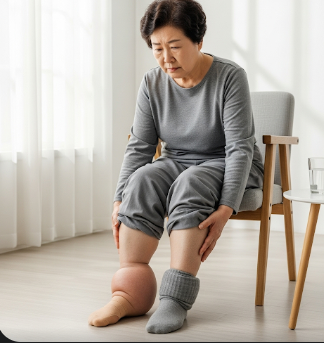
Overview Lower extremity edema refers to the swelling of the legs, ankles, and feet due to excess fluid accumulation in the tissues. This condition can result from a wide range of causes, including cardiovascular, renal, hepatic, or lymphatic disorders. While mild edema may be temporary and benign, persistent or severe swelling can indicate serious underlying […]
Low neutrophil count in Korea
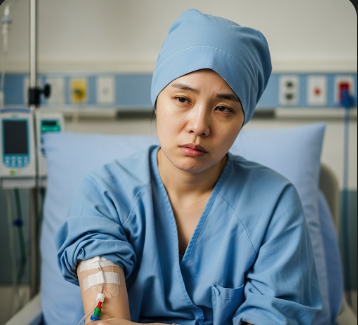
Overview Low neutrophil count, medically known as neutropenia, is a condition in which the number of neutrophils— a type of white blood cell important for fighting infections— falls below the normal range. Neutrophils are crucial for defending the body against bacteria and fungi, and a decrease can increase susceptibility to infections, which may become severe […]
Low hemoglobin count in Korea

Overview A low hemoglobin count, medically referred to as anemia, is a condition in which the level of hemoglobin in the blood falls below the normal range. Hemoglobin is a crucial protein in red blood cells that carries oxygen from the lungs to the rest of the body. Reduced hemoglobin levels lead to insufficient oxygen […]
Low blood oxygen in Korea
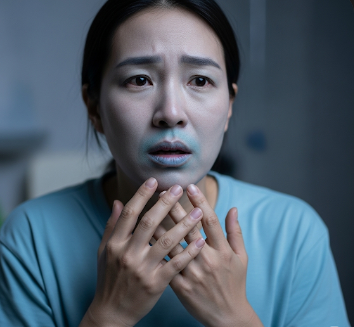
Overview Low blood oxygen, medically referred to as hypoxemia, occurs when the oxygen level in the blood drops below the normal range, compromising the body’s ability to supply oxygen to tissues and organs. Normal oxygen saturation (SpO₂) typically ranges from 95–100%. Levels below 90% may indicate hypoxemia, which can be life-threatening if untreated. In Korea, […]
Leukopenia in Korea
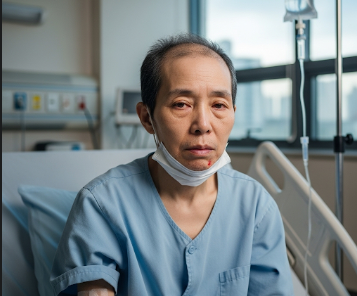
Overview Leukopenia is a medical condition characterized by a reduced number of white blood cells (leukocytes) in the blood, which are crucial for the body’s immune defense against infections. A decrease in white blood cells can leave an individual more vulnerable to bacterial, viral, and fungal infections, and may sometimes signal an underlying medical or […]
Lassitude in Korea

Overview Lassitude refers to a state of profound physical or mental weariness, fatigue, or lack of energy. Unlike typical tiredness, lassitude can persist despite rest and may affect daily functioning, concentration, and overall quality of life. It can result from medical conditions, psychological factors, lifestyle habits, or chronic illnesses. In Korea, hospitals and clinics provide […]
Losing interest in Korea

Overview Losing interest, medically referred to as anhedonia, is a reduced ability to experience pleasure or a loss of interest in activities that were previously enjoyable. It is commonly associated with depression, anxiety, chronic stress, or neurological conditions. Individuals experiencing this symptom may notice changes in hobbies, social interactions, work performance, and relationships, which can […]
Lightheadedness in Korea

Overview Lightheadedness is a sensation of dizziness or feeling faint, often described as feeling “woozy,” “floating,” or “about to pass out.” Unlike vertigo, which is a spinning sensation, lightheadedness usually relates to reduced blood flow to the brain, low blood pressure, or metabolic changes. In Korea, hospitals and clinics provide comprehensive evaluation and treatment for […]