
Mood Swings in Korea

Overview Mood swings refer to rapid, unpredictable changes in emotional states, ranging from happiness or euphoria to irritability, sadness, or anger. While occasional mood shifts are normal, persistent or extreme mood swings may indicate underlying mental health conditions, hormonal changes, or neurological disorders. In Korea, mental health services are highly accessible, with psychiatric clinics, counseling […]
Monolid Eyes in Korea

Overview Monolid eyes refer to a natural eyelid shape in which there is no visible crease above the upper eyelid. This eyelid type is common among East Asian populations, including Koreans, and is a normal anatomical variation rather than a medical condition. Monolids influence eye appearance, makeup techniques, and eyelid surgery options. In Korea, monolid […]
Mirror-Touch Synesthesia in Korea

Overview Mirror-touch synesthesia (MTS) is a rare neurological condition in which a person feels sensations on their own body when they see someone else being touched. For example, if someone else is tapped on the shoulder, a person with MTS may actually feel a touch on their own shoulder. This condition is linked to enhanced […]
Milk Bleb in Korea

Overview A milk bleb is a small, white, raised spot that appears on the nipple, typically during breastfeeding. It is caused by a blocked milk duct or accumulation of milk under the skin, resulting in a tiny blister. Although usually harmless, milk blebs can cause discomfort or mild pain while nursing. In Korea, lactation consultants […]
Microvascular Angina in Korea

Overview Microvascular angina (MVA), also known as cardiac syndrome X, is a type of angina (chest pain) caused by abnormalities in the small coronary arteries (microvasculature) rather than the major epicardial coronary arteries. Unlike traditional angina due to large artery blockages, patients with MVA may have normal coronary angiograms, making it a challenging condition to […]
Metamorphopsia in Korea

Overview Metamorphopsia is a visual distortion in which straight lines appear wavy, curved, or bent, and objects may look smaller, larger, or misshapen than they really are. It is not a disease itself but a symptom of underlying retinal or neurological disorders. Most commonly, it is linked to conditions affecting the macula, the central part […]
Memory Loss in Korea
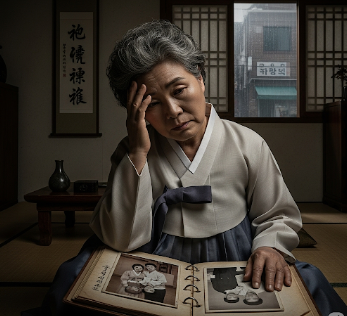
Overview Memory loss refers to a partial or complete inability to recall past experiences, events, or learned information. It can be temporary or progressive, depending on the underlying cause. While occasional forgetfulness is normal, persistent or worsening memory loss may indicate medical conditions such as dementia, Alzheimer’s disease, stroke, or brain injury. In Korea, patients […]
Melena (Black Stool) in Korea
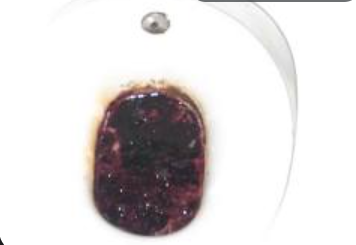
Overview Melena refers to black, tarry stools that typically result from bleeding in the upper gastrointestinal (GI) tract, such as the stomach, esophagus, or duodenum. The black color is caused by the breakdown of hemoglobin in blood by stomach acids and intestinal enzymes. In Korea, melena is considered a serious symptom that requires urgent evaluation […]
Mees Lines in Korea
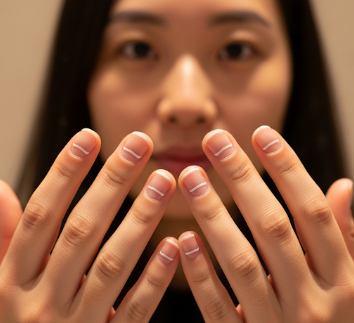
Overview Mees’ lines are transverse white bands (parallel to the lunula) that appear across the nails of the fingers or toes. Unlike Beau’s lines (which are indentations), Mees’ lines are discolorations that move forward with nail growth. These lines are usually a sign of systemic illness, poisoning, or severe physiological stress. In Korea, dermatologists and […]
Marcus Gunn Pupil in Korea

Overview A Marcus Gunn pupil, also known as a Relative Afferent Pupillary Defect (RAPD), is a clinical sign seen during an eye examination when there is an abnormal response of the pupils to light due to an issue with the optic nerve or severe retinal disease. Instead of constricting normally when light is shone into […]