
Ovulation Induction in Korea
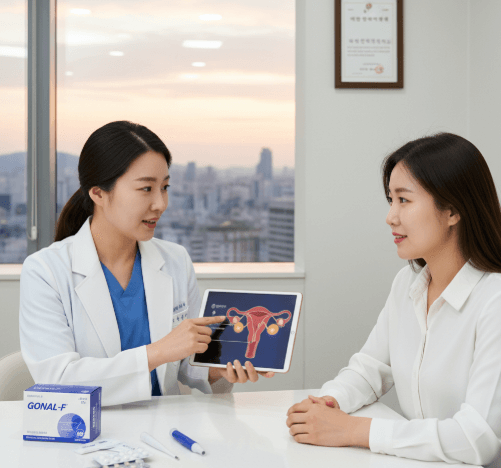
What it is Ovulation induction is a fertility treatment designed to stimulate the ovaries to release eggs, improving the chances of conception. It is commonly used for women who have irregular ovulation or anovulation (no ovulation), conditions often linked to polycystic ovary syndrome (PCOS), hormonal imbalances, or unexplained infertility. ✔️ Goal: To trigger the development […]
Adenomyosis Treatment in Korea
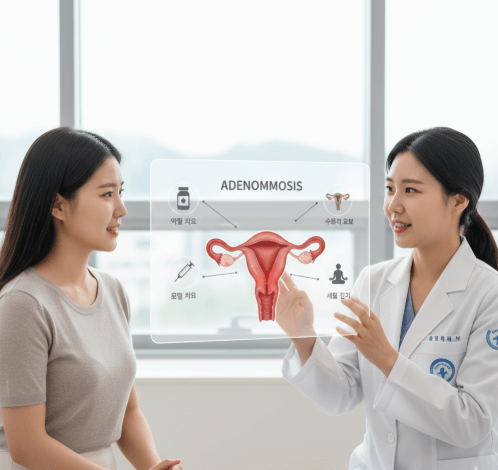
What it is Adenomyosis is a condition where the endometrial tissue (lining of the uterus) grows into the muscular wall of the uterus. This abnormal growth leads to an enlarged, tender uterus and causes painful, heavy periods. ✔️ Symptoms: Severe menstrual cramps, heavy bleeding (menorrhagia), pelvic pain, enlarged uterus, pain during intercourse, and sometimes infertility.✔️ […]
Endometriosis Management in Korea

What it is Endometriosis is a chronic condition where tissue similar to the lining of the uterus (endometrium) grows outside the uterus. These abnormal tissue implants may develop on the ovaries, fallopian tubes, pelvic lining, or other organs. ✔️ Symptoms: Severe menstrual cramps, pelvic pain, heavy bleeding, pain during intercourse, infertility, and chronic fatigue.✔️ Causes: […]
Polycystic Ovary Syndrome (PCOS) Management in Korea

What it is Polycystic Ovary Syndrome (PCOS) is a common hormonal disorder affecting women of reproductive age. It is characterized by irregular periods, excess androgen (male hormone) levels, and polycystic ovaries (enlarged ovaries with multiple small follicles). ✔️ Symptoms: Irregular or absent periods, acne, excess facial/body hair, weight gain, hair thinning, and difficulty conceiving.✔️ Health […]
Premenstrual Syndrome (PMS) Treatment in Korea

What it is Premenstrual Syndrome (PMS) is a group of emotional, physical, and behavioral symptoms that occur in the luteal phase of the menstrual cycle (the days before a period starts). Symptoms usually resolve once menstruation begins. ✔️ Common symptoms: Mood swings, irritability, anxiety, bloating, breast tenderness, headaches, and food cravings.✔️ Severe cases: Some women […]
Menopause Symptom Management in Korea
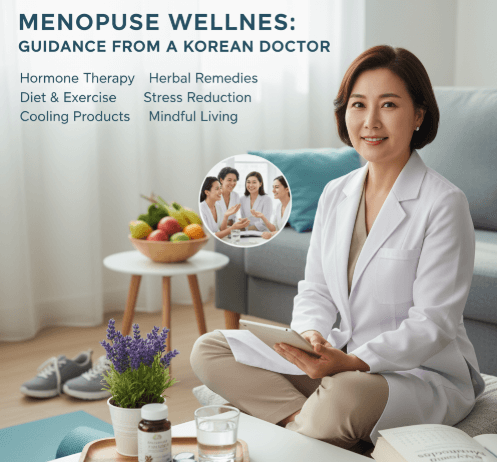
What it is Menopause is the natural biological process marking the end of a woman’s reproductive years, typically occurring between ages 45 and 55. It is diagnosed after 12 consecutive months without a menstrual period. ✔️ Cause: A decline in estrogen and progesterone production by the ovaries.✔️ Symptoms: Hot flashes, night sweats, mood changes, vaginal […]
Hormone Replacement Therapy (HRT) in Korea
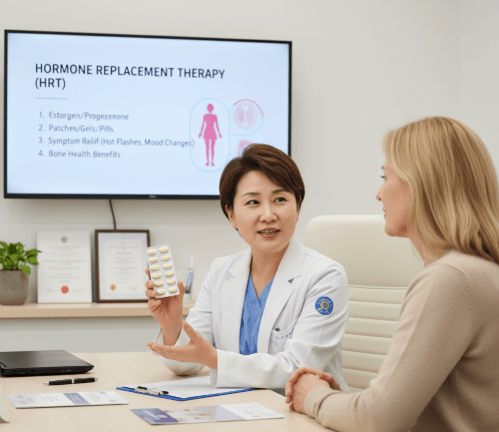
What it is Hormone Replacement Therapy (HRT) is a medical treatment that helps relieve symptoms caused by hormonal decline, particularly during menopause. It involves supplementing the body with estrogen, progesterone, or a combination of hormones. ✔️ Purpose: To reduce menopause-related discomfort such as hot flashes, night sweats, mood swings, and vaginal dryness.✔️ Forms available in […]
Amenorrhea (Absent Periods) Evaluation in Korea
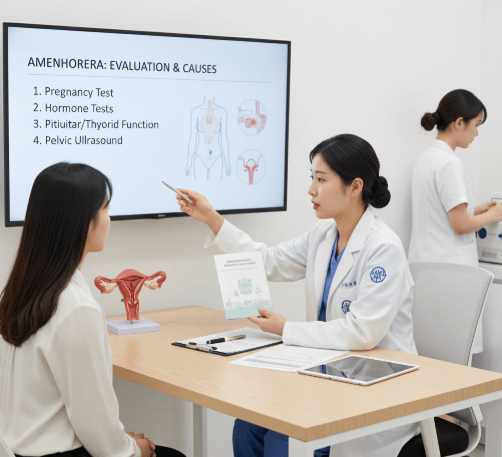
What it is Amenorrhea is the medical term for the absence of menstrual periods. It is not a disease itself but a symptom of underlying conditions. ✔️ Primary amenorrhea → When menstruation does not begin by age 15–16.✔️ Secondary amenorrhea → When a woman who previously had regular periods stops menstruating for 3 months or […]
Menorrhagia (Heavy Bleeding) Treatment in Korea
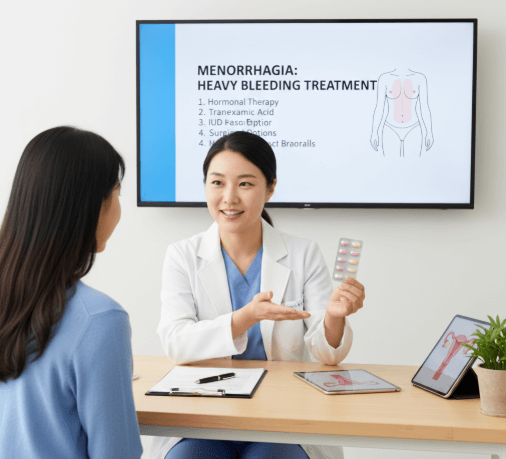
What it is Menorrhagia is the medical term for abnormally heavy or prolonged menstrual bleeding. Women with menorrhagia may experience periods that interfere with daily activities, cause fatigue, or even lead to anemia. ✔️ Definition: Bleeding that lasts more than 7 days or requires changing sanitary protection every 1–2 hours.✔️ Symptoms: Passing large clots, double […]
Dysmenorrhea (Painful Periods) Treatment in Korea

What it is Dysmenorrhea refers to painful menstrual cramps that occur before or during periods. It is one of the most common gynecological problems affecting women of reproductive age. ✔️ Types: ✔️ Symptoms: Cramping in the lower abdomen, back pain, nausea, fatigue, diarrhea, or headaches.✔️ Impact: Severe dysmenorrhea can disrupt work, school, and daily life. […]