Myomectomy (Fibroid Removal) in Korea
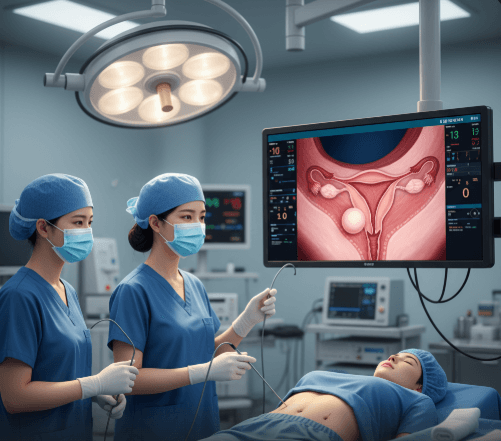
What it is A myomectomy is a surgical procedure to remove uterine fibroids (also called myomas or leiomyomas) while preserving the uterus. Fibroids are noncancerous growths that develop in or on the uterus, and although many women live without symptoms, some experience heavy menstrual bleeding, pelvic pain, infertility, or pregnancy complications. Unlike hysterectomy (removal of […]
Postpartum Care in Korea

What it is Postpartum care refers to the physical, emotional, and medical support provided to mothers after childbirth, usually lasting six to eight weeks but often extending longer. This period, sometimes called the “fourth trimester,” is crucial for the mother’s recovery and bonding with the newborn. In Korea, postpartum care has gained global recognition because […]
Cesarean Section (C-section) in Korea
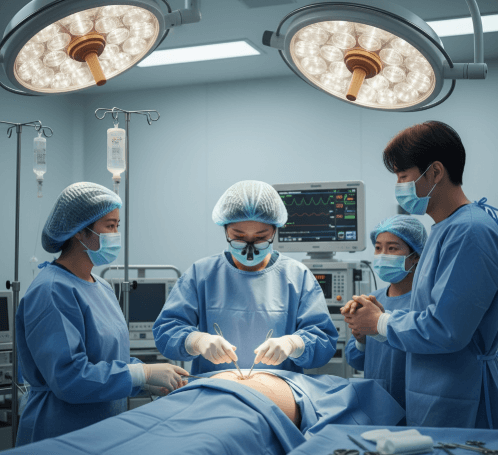
What it is A Cesarean section (C-section) is a surgical procedure used to deliver a baby through incisions in the mother’s abdomen and uterus. It is one of the most common obstetric surgeries worldwide and is performed when vaginal delivery poses risks to the mother or baby. In Korea, C-sections are conducted in modern hospitals […]
Labor Induction in Korea
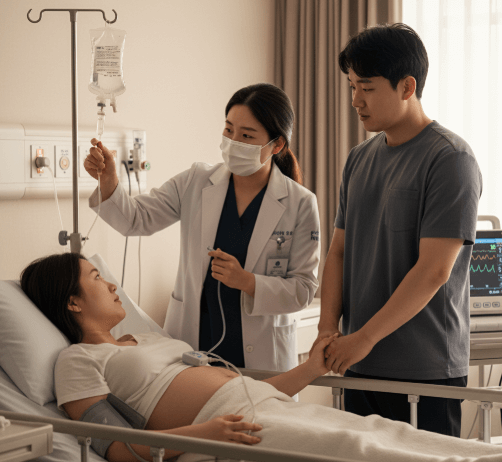
What it is Labor induction is the process of stimulating uterine contractions before spontaneous labor begins, with the goal of achieving a vaginal birth. It is done when continuing the pregnancy poses risks to the mother or the baby, or when medical conditions require delivery at a certain time. In Korea, labor induction is performed […]
Vaginal Delivery Support in Korea
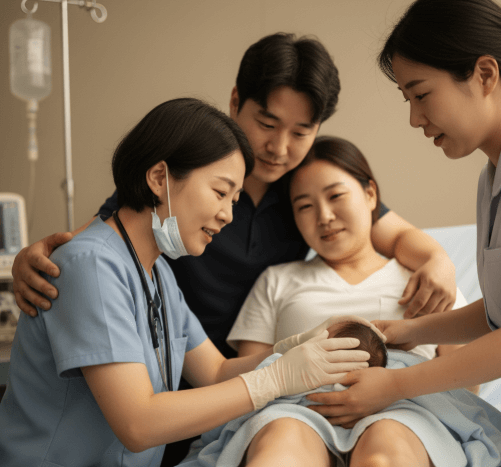
What it is Vaginal delivery support refers to the comprehensive medical, emotional, and physical assistance provided to women during labor and childbirth through the vaginal route. This support includes everything from pain management, monitoring mother and baby, to guidance on pushing and immediate postpartum care. In Korea, hospitals and maternity centers are well-equipped with modern […]
Chorionic Villus Sampling (CVS) in Korea

What it is Chorionic Villus Sampling (CVS) is a prenatal diagnostic procedure used to detect genetic and chromosomal abnormalities in a developing fetus. It involves collecting a small sample of placental tissue (chorionic villi) for laboratory analysis. Since the placenta shares the baby’s genetic makeup, it allows specialists to identify conditions such as:➤ Down syndrome […]
Amniocentesis in Korea
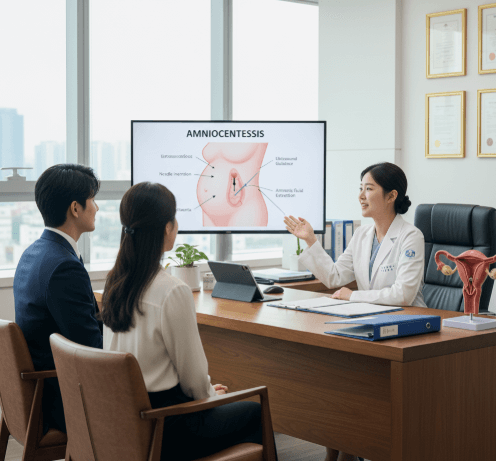
What it is Amniocentesis is a specialized prenatal diagnostic test where a doctor inserts a thin needle into the uterus to collect a small sample of amniotic fluid. This fluid contains fetal cells and important chemicals that provide valuable information about the baby’s health. 👩⚕️ Key aspects of amniocentesis: In Korea, amniocentesis is conducted in […]
Non-stress Test (NST) in Korea
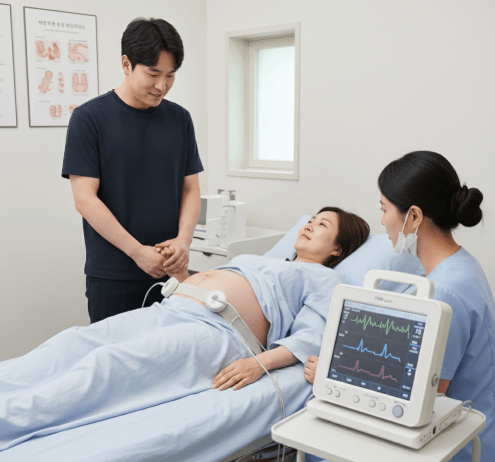
What it is A Non-stress Test (NST) is a prenatal procedure used to evaluate the baby’s health and well-being during pregnancy. It measures the baby’s heart rate, movements, and responses without causing stress to the fetus. The term “non-stress” means that no external pressure or medication is used—only natural fetal activity is observed. 👩⚕️ Core […]
Fetal Growth Monitoring in Korea
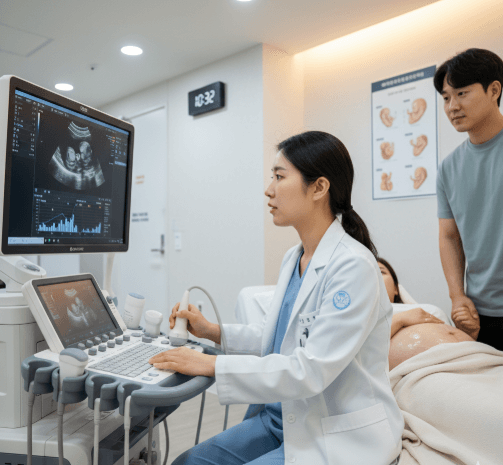
What it is Fetal growth monitoring is the medical process of tracking a baby’s development inside the womb throughout pregnancy. The goal is to ensure that the fetus is growing at a healthy rate and that any irregularities are detected early. 👩⚕️ Core elements of fetal growth monitoring include: In Korea, fetal monitoring is part […]
High-risk Pregnancy Management in Korea
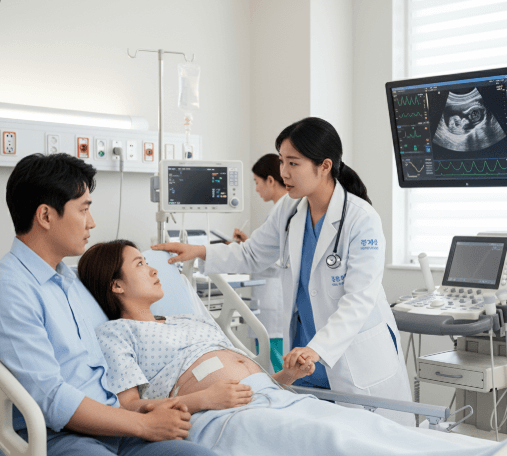
What it is A high-risk pregnancy refers to a pregnancy in which the mother, baby, or both face an increased risk of complications before, during, or after delivery. This can be due to pre-existing health conditions, age, lifestyle factors, or problems that develop during pregnancy. 👩⚕️ Common factors leading to high-risk pregnancy: In Korea, high-risk […]