
Pelvic Floor Therapy in Korea
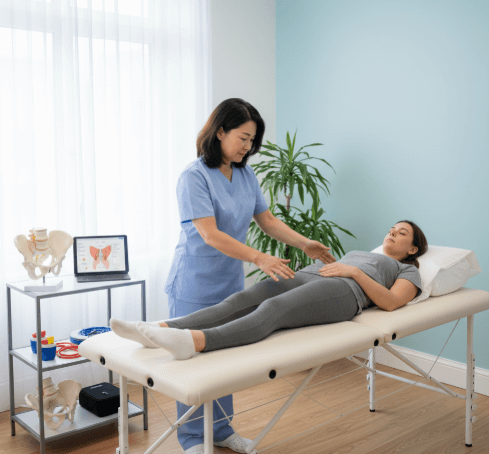
What it is Pelvic floor therapy is a non-surgical treatment designed to strengthen, relax, or rehabilitate the muscles of the pelvic floor—the group of muscles that support the bladder, uterus, vagina, and rectum. Weakness, tightness, or dysfunction of these muscles can lead to conditions like urinary incontinence, pelvic organ prolapse, painful intercourse, or chronic pelvic […]
Diagnostic Laparoscopy in Korea
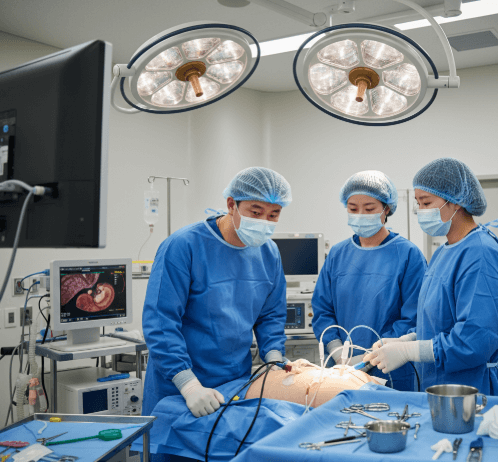
What it is Diagnostic laparoscopy is a minimally invasive surgical procedure used to examine the organs inside the abdomen and pelvis. A thin tube with a camera (laparoscope) is inserted through a small incision, allowing doctors to see conditions that may not appear clearly on imaging tests like ultrasound, CT, or MRI. In Korea, diagnostic […]
Pelvic Adhesion Removal in Korea
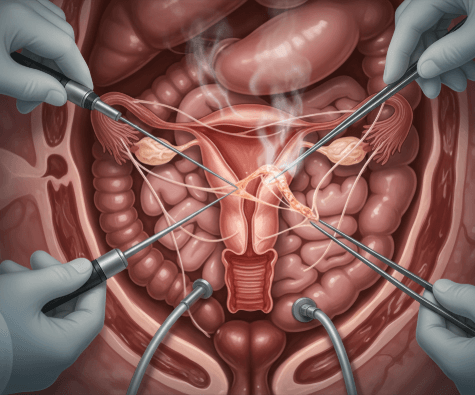
What it is Pelvic adhesion removal, also called adhesiolysis, is a surgical procedure to separate scar tissue (adhesions) that form between pelvic organs such as the uterus, ovaries, fallopian tubes, or intestines. Adhesions develop after infections, endometriosis, pelvic surgery, or trauma, and they can cause chronic pain, infertility, or bowel problems. In Korea, pelvic adhesion […]
Pelvic Laparoscopy in Korea
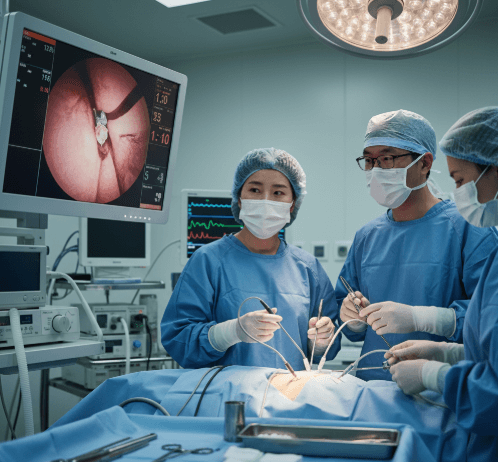
What it is Pelvic laparoscopy is a minimally invasive surgical procedure that uses a thin, lighted instrument (laparoscope) inserted through small abdominal incisions to examine and treat conditions in the female pelvic organs, including the uterus, ovaries, fallopian tubes, and surrounding tissues. In Korea, pelvic laparoscopy is widely performed in gynecology for both diagnostic and […]
Oophorectomy (Removal of Ovary) in Korea
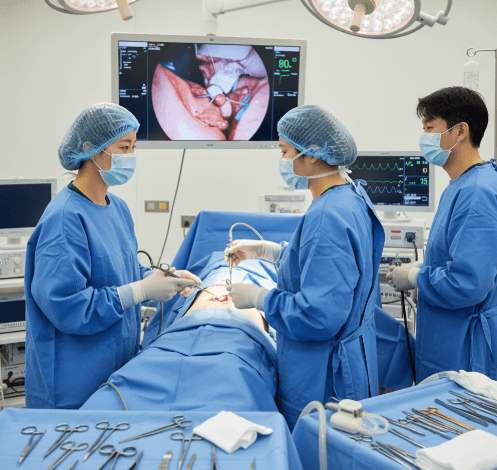
What it is An oophorectomy is a surgical procedure to remove one or both ovaries, the organs responsible for releasing eggs and producing female hormones like estrogen and progesterone. It may be performed as a standalone surgery or alongside other gynecological procedures such as hysterectomy or salpingectomy. In Korea, oophorectomy is performed with advanced laparoscopic […]
Salpingectomy (Removal of Fallopian Tube) in Korea
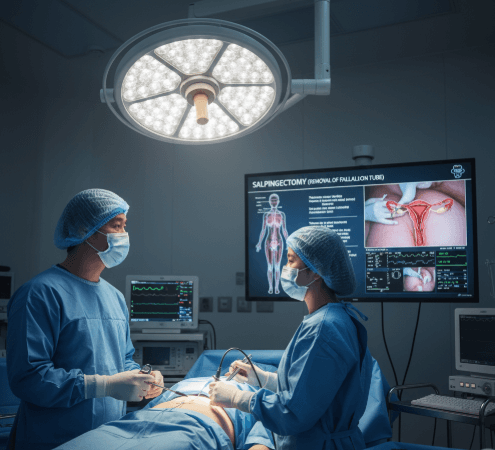
What it is A salpingectomy is a surgical procedure to remove one or both fallopian tubes, the structures that connect the ovaries to the uterus. It may be performed alone or alongside other gynecological surgeries, depending on the condition. In Korea, salpingectomy is commonly performed using laparoscopic and robotic-assisted techniques, which are minimally invasive and […]
Ovarian Cystectomy in Korea
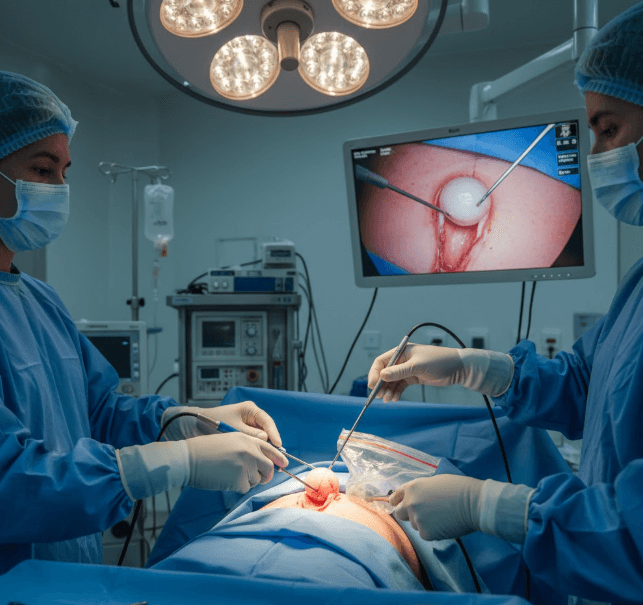
What it is An ovarian cystectomy is a surgical procedure to remove cysts from the ovary while preserving the ovary itself. Ovarian cysts are fluid-filled sacs that commonly develop on or inside the ovaries. Most are benign and may resolve naturally, but some cause pain, irregular periods, or fertility issues, requiring surgical removal. In Korea, […]
Polypectomy (Uterine or Cervical) in Korea
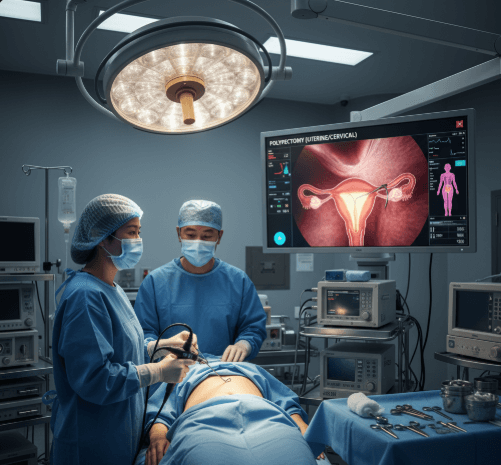
What it is A polypectomy is a surgical procedure to remove polyps from the uterus (endometrial polyps) or cervix (cervical polyps). Polyps are small, usually benign (noncancerous) growths that form on the inner lining of the uterus or cervix. They can sometimes cause symptoms such as abnormal bleeding, infertility, or discomfort. In Korea, polypectomy is […]
Endometrial Ablation in Korea
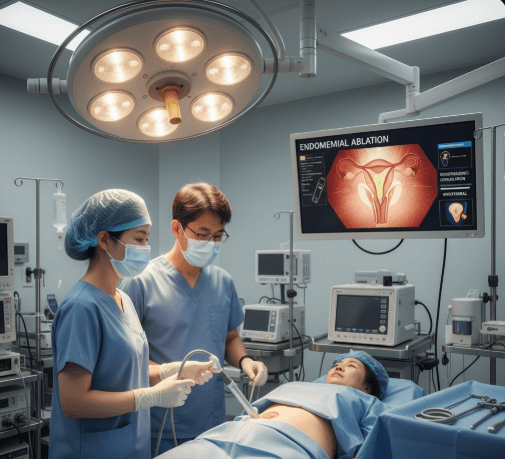
What it is Endometrial ablation is a minimally invasive procedure that destroys (ablates) the lining of the uterus (endometrium) to reduce or stop abnormal menstrual bleeding. It is designed for women who suffer from heavy or prolonged periods and who do not plan to have more children. In Korea, endometrial ablation is performed using modern […]
Hysterectomy (Total, Partial, Laparoscopic, Robotic) in Korea
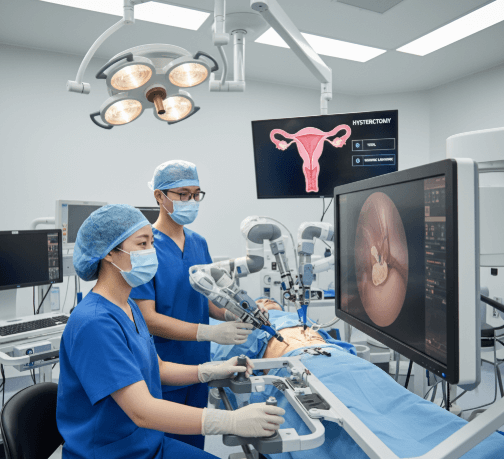
What it is A hysterectomy is a surgical procedure to remove the uterus, sometimes including surrounding structures such as the cervix, ovaries, or fallopian tubes. Once performed, it permanently ends menstruation and the ability to become pregnant. In Korea, hysterectomy procedures are carried out using advanced techniques, from traditional abdominal surgery to minimally invasive laparoscopic […]