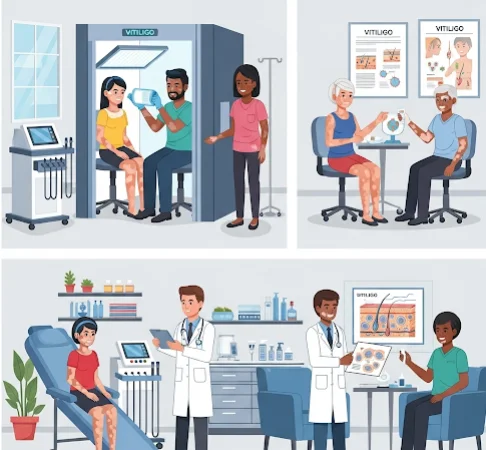
➤ What it is
Vitiligo is a chronic skin condition characterized by the loss of pigmentation due to the destruction or dysfunction of melanocytes (the cells that produce melanin). This results in white patches that may appear on the face, hands, arms, legs, or even mucous membranes and hair.
Vitiligo is classified into:
- Segmental Vitiligo → localized to one side or area of the body.
- Non-segmental Vitiligo → widespread and symmetrical, the most common type.
- Universal Vitiligo → extensive depigmentation across large areas.
While vitiligo is not contagious or life-threatening, it is often associated with psychological stress due to its visible impact on appearance.
In Korea, vitiligo treatment is managed with a blend of medical, laser-based, phototherapy, and cosmetic strategies — ensuring patients achieve both repigmentation and skin balance.
➤ Why it’s done
Treatment for vitiligo is aimed at:
- Restoring Pigmentation → stimulating melanocyte activity.
- Slowing Progression → halting further depigmentation.
- Improving Appearance → blending patches with surrounding skin tone.
- Psychological Support → reducing distress, stigma, and improving quality of life.
- Cultural Emphasis in Korea → clear, even-toned skin is highly valued, making vitiligo treatment a priority for both medical and cosmetic reasons.
➤ Alternatives
Vitiligo can be treated using various modalities, often combined for best results:
Medical Therapies
- Topical corticosteroids → reduce immune attack on melanocytes.
- Calcineurin inhibitors (tacrolimus, pimecrolimus) → especially useful for face and sensitive areas.
- Vitamin D analogues → sometimes used to enhance repigmentation.
Phototherapy
- NB-UVB phototherapy (311–313 nm) → stimulates melanocytes and helps restore pigment.
- Excimer laser (308 nm) → highly targeted light therapy for small patches.
Systemic Treatments (for aggressive cases)
- Oral corticosteroids or immunomodulators to stabilize spreading vitiligo.
Surgical Approaches
- Skin grafting → transplanting healthy pigmented skin.
- Melanocyte-keratinocyte transplantation (MKTP) → cultured melanocyte cells applied to depigmented skin.
- Punch grafts for smaller lesions.
Cosmetic Alternatives
- Medical camouflage makeup → conceals patches.
- Depigmentation therapy → for universal vitiligo, creating even skin tone.
Korean Dermatology Alternatives
- Herbal and antioxidant facials for skin soothing.
- LED light therapy post-laser for faster recovery.
- Barrier-repair cosmeceuticals to support long-term skin health.
➤ Preparation
Preparation ensures accurate diagnosis and maximized treatment results:
- Medical Evaluation
- Dermatologist confirms diagnosis with clinical exam, Wood’s lamp, or biopsy if needed.
- Rule out autoimmune conditions associated with vitiligo (thyroid disease, diabetes, alopecia areata).
- Pre-Treatment Counseling
- Discuss realistic expectations: vitiligo is chronic and may need long-term management.
- Identify triggers such as stress, sunburn, or chemical exposure.
- Skin Conditioning
- Regular moisturizing before therapy improves tolerance.
- Sunscreen to protect depigmented areas.
- Korean Clinic Preparation
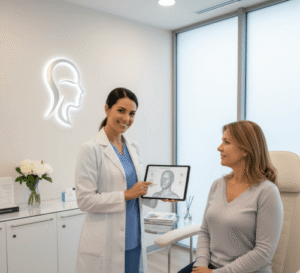
- Many clinics provide hydration masks, skin analysis, and digital photography to document baseline status.
➤ How it’s Done
Vitiligo treatment in Korea is usually multimodal, combining several approaches:
1. Topical Therapy
- Corticosteroid creams for localized patches.
- Calcineurin inhibitors for sensitive areas (face, eyelids).
2. Phototherapy
- NB-UVB booths for widespread vitiligo.
- Excimer laser (308 nm) for localized patches (e.g., face, hands).
- Sessions: 2–3 times weekly for several months.
3. Systemic Therapy
- Used in rapidly spreading vitiligo.
- Oral immunomodulators to stabilize immune response.
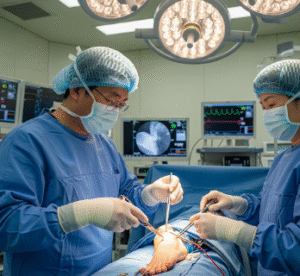
4. Surgical Interventions (For Stable Vitiligo)
- Melanocyte transplantation or skin grafting for small, resistant patches.
- Widely available in Korean university hospitals.
5. Korean Dermatology Additions
- LED light therapy after phototherapy to reduce inflammation.
- Hydration facials to soothe irritated areas.
- Pigmentation-correcting skincare regimens recommended by dermatologists.
6. Lifestyle & Psychological Support
- Stress management through counseling, yoga, or meditation.
- Holistic wellness included in some Korean clinics.
➤ Recovery
Recovery depends on therapy type and extent:
- Topical Therapy → repigmentation visible in 6–12 weeks.
- Phototherapy (NB-UVB or excimer laser) → improvement after 2–3 months, with continued sessions for sustained results.
- Surgical Therapy → healing of graft sites takes 2–4 weeks, with gradual pigment blending.
Aftercare Instructions:
- Consistent sunscreen use to prevent burns.
- Gentle cleansers and moisturizers.
- Avoid harsh chemicals, bleaching agents, or excessive friction.
Korean Recovery Practices:
- Barrier creams, pigmentation serums, and hydrating masks are used post-treatment.
- Clinics often integrate tone-correcting facials to support pigment blending.
- Regular follow-ups with digital imaging to track progress.
➤ Complications
Potential complications of vitiligo treatment include:
- Redness, irritation, or peeling from topical therapies.
- Burns or blistering from phototherapy (rare with proper supervision).
- Uneven pigmentation after grafting or excimer therapy.
- Psychological effects if expectations are not managed.
Korean dermatologists minimize these risks through:
- Careful dose adjustments in phototherapy.
- Combining therapies with cosmetic dermatology for pigment balance.
- Providing psychological support alongside medical treatment.
➤ Treatment Options in Korea
Korea has some of the most advanced options for vitiligo care:
Why Korea excels:
- Cutting-edge technology → NB-UVB booths, 308 nm excimer lasers.
- Surgical innovations → cell-based melanocyte transplantation.
- Integration with skincare → Korean cosmeceuticals tailored for pigmentation issues.
- Holistic care → stress and lifestyle addressed alongside medical treatment.
Unique Korean Practices:
- Combination care → NB-UVB + excimer laser + pigmentation facials.
- Scar and pigmentation correction → included after surgical or laser therapy.
- Barrier repair regimens → prevent irritation and support recovery.
- Medical tourism services → international patients seek comprehensive vitiligo treatment in Korea.
✨ Final Thoughts
Vitiligo Treatment in Korea is not limited to repigmentation therapy — it is a comprehensive, patient-centered program. With NB-UVB phototherapy, excimer laser precision, surgical transplantation, topical therapy, and cosmetic skincare integration, Korea provides both medical excellence and aesthetic satisfaction.
Patients benefit not only from pigment restoration and disease control but also from holistic care that addresses skin health, emotional wellbeing, and confidence.
This fusion of science, technology, and skincare culture makes Korea one of the leading destinations worldwide for vitiligo treatment.