
What it is
➝ Uremic pruritus (UP), also called chronic kidney disease–associated pruritus (CKD-aP), is a systemic itch syndrome seen in patients with advanced renal failure, especially those on dialysis.
➝ It presents as generalized or localized itching without primary skin lesions, but long-standing scratching leads to excoriations, lichenification, nodules, and pigment changes.
➝ The pathogenesis is multifactorial, involving immune dysregulation, opioid receptor imbalance, xerosis, neuropathy, and uremic toxins.
➝ In Korea, dermatologists provide symptom control, skin protection, and adjunct therapies, while nephrology leads systemic management.
Why it’s done
→ To relieve severe, chronic itch that disturbs sleep, mood, and quality of life in dialysis patients.
→ To prevent secondary skin damage such as lichen simplex, prurigo nodularis, or infection.
→ To complement nephrology care with dermatologic strategies.
→ To improve treatment adherence in dialysis, since uncontrolled itch can reduce patient compliance.
Alternatives / Systemic Nephrology-Led Treatments
→ Dialysis optimization: better toxin clearance, high-flux filters.
→ Medications: gabapentin, pregabalin, nalfurafine (κ-opioid agonist, used in Asia), antihistamines (limited effect).
→ Other systemic options: mirtazapine, naltrexone, thalidomide (rare).
→ Biologics (under investigation): dupilumab, nemolizumab, JAK inhibitors.
Dermatology Supportive Measures
Skin care
→ Aggressive xerosis management with thick emollients (urea, glycerin, ceramide creams).
→ Avoid harsh soaps; recommend mild syndet cleansers.
→ Apply moisturizers immediately after bathing.
Topical agents
→ Pramoxine-containing lotions for anti-itch effect.
→ Menthol or polidocanol creams for cooling.
→ Medium-potency corticosteroids for eczematized or inflamed areas.
→ Tacrolimus ointment in selected localized lesions.
Phototherapy
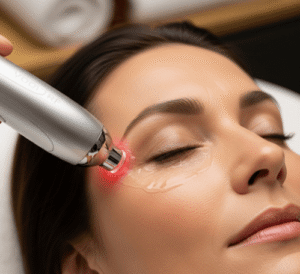
→ Narrowband UVB is effective in reducing itch and widely available in Korean dermatology centers.
→ Often recommended for patients who do not respond to topicals.
Adjunct dermatology therapies
→ Capsaicin cream for localized pruritic areas.
→ Behavioral interventions: avoiding hot showers, wearing breathable cotton clothing, using humidifiers.
→ Wound care for excoriations with antiseptics or topical antibiotics.
Preparation
→ Assess severity with Itch Numeric Rating Scale (NRS) or Visual Analogue Scale (VAS).
→ Document skin findings (excoriations, nodules, lichenification).
→ Collaborate with nephrology to review medications and dialysis regimen.
→ In Korea, dermatology clinics often use digital photography and itch questionnaires to monitor progress.
How it’s Done
→ Step 1: Start with emollients + pramoxine or menthol creams.
→ Step 2: Add NB-UVB phototherapy if itch persists.
→ Step 3: Coordinate with nephrology for gabapentinoids or opioid modulators.
→ Step 4: Manage secondary lesions (topical steroids, wound care).
→ Step 5: Provide ongoing follow-up and adjust based on itch severity and dialysis control.
Recovery
→ Moisturizer use can improve dryness and mild itch within days to weeks.
→ NB-UVB often reduces itch significantly after 2–4 weeks of sessions.
→ Gabapentin or pregabalin provide additional systemic relief in combination with dermatology care.
→ Long-term, consistent skin care and phototherapy reduce recurrence and skin damage.
Complications
→ Persistent excoriations and scarring if itch remains uncontrolled.
→ Secondary infections (impetigo, cellulitis).
→ Sleep disturbance, anxiety, depression.
→ Side effects of systemic medications (sedation from gabapentin/pregabalin, nausea from opioid modulators).
Treatment Options in Korea
→ Korean dermatology clinics emphasize NB-UVB phototherapy plus intensive skin hydration as frontline care.
→ Pramoxine and polidocanol creams are widely prescribed for symptom relief.
→ Many tertiary hospitals use gabapentin or pregabalin in collaboration with nephrology.
→ Some dialysis centers in Korea integrate dermatology services on-site, ensuring combined systemic and skin care.
→ Advanced centers are exploring biologic and JAK inhibitor therapies for refractory UP through clinical research.
→ With Korea’s structured multidisciplinary approach, patients benefit from nephrology-led systemic management and dermatology-based supportive care, resulting in better comfort and improved quality of life.