What it is in Korea
➤ TCA peel in Korea is a medium- to deep-depth chemical peel that uses trichloroacetic acid (TCA) to exfoliate the skin, stimulate regeneration, and treat stubborn acne scars, pigmentation, and aging signs.
→ Unlike superficial peels such as glycolic or salicylic acid, TCA penetrates deeper into the dermis, making it highly effective for moderate-to-severe acne scars, fine wrinkles, and sun damage.
✦ Korean dermatology clinics often perform customized TCA peels in controlled concentrations (10%–40%) depending on skin condition.
✔ The treatment is considered more intensive, but in Korea, advanced techniques and post-care therapies minimize downtime and enhance results.
Why it’s done in Korea
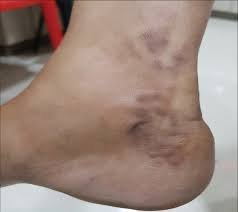
▸ Medical reasons → TCA peels are recommended for deep acne scars, resistant hyperpigmentation, and actinic keratoses.
▸ Aesthetic reasons → Koreans seek smooth, scar-free, and radiant skin; TCA peels deliver dramatic results compared to lighter peels.
▸ Preventive reasons → By stimulating collagen, TCA peels help slow visible aging signs.
✔ Dermatologists in Korea recommend TCA peels when:
- Acne scars remain despite other treatments
- Pigmentation issues are resistant to lighter peels or lasers
- Fine lines and rough texture persist
- Patients want long-lasting results with fewer sessions
Alternatives in Korea
Although TCA peels are powerful, alternatives or combined therapies may be considered:
➤ Other chemical peels
- Glycolic peel → superficial option for brightening
- Salicylic peel → best for oily, acne-prone skin
- Jessner’s peel → multi-acid formula for acne and pigmentation
➤ Procedural alternatives
✔ Fractional CO₂ laser → resurfaces skin and reduces scars
✔ Microneedling with PRP → stimulates collagen for scar repair
✔ Cystic acne injection → for individual cystic breakouts
✔ Subcision → for deep, tethered scars
➤ Medical therapies
✦ Topical retinoids, oral isotretinoin, and hydroquinone creams may be prescribed in combination with TCA for maintenance.
Preparation in Korea
Korean dermatologists place strong emphasis on pre-treatment preparation for TCA peels:
▸ Pre-conditioning the skin
→ Use of retinoids or hydroquinone for 2–4 weeks may be advised to enhance results.
→ Patients must avoid tanning, waxing, and aggressive exfoliation.
▸ Lifestyle precautions
✦ Stop smoking (improves healing).
✦ Avoid direct sun exposure before treatment.
▸ Medical consultation
✔ A dermatologist evaluates skin type, history of keloids, pigmentation tendencies, and sets the appropriate TCA concentration.
✔ Patch testing may be performed for sensitive or darker skin types.
How it’s done in Korea
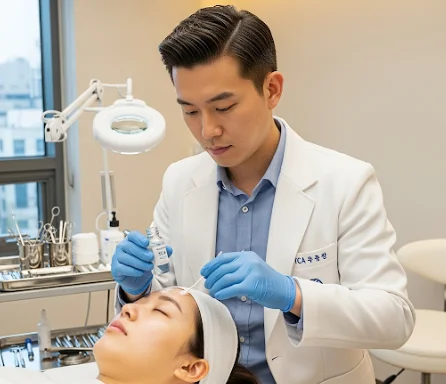
The procedure usually takes 30–45 minutes in a clinical setting:
- Cleansing → The skin is thoroughly cleaned.
- Application → TCA solution is carefully applied with cotton or gauze.
- Frosting phase → A white “frost” appears on the skin, indicating penetration.
- Neutralization → The peel is neutralized or allowed to self-neutralize depending on depth.
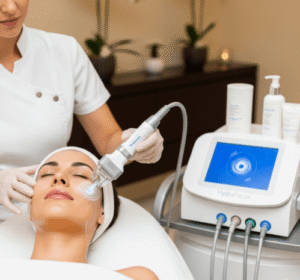
- Soothing care → Korean clinics often apply cooling masks, LED therapy, or healing ointments immediately after.
✔ In Korea, dermatologists often perform TCA CROSS technique (focal application of TCA into acne scars) for precise scar treatment, reducing risks and downtime compared to full-face deep peeling.
Recovery in Korea
▸ Immediate phase (1–3 days)
✔ Redness, stinging, and tightness are common.
✔ Skin begins to darken and feel dry.
▸ Peeling phase (4–7 days)
→ Visible peeling or crusting occurs as damaged skin sheds.
→ Patients must avoid picking or scratching to prevent scarring.
▸ Healing phase (1–2 weeks)
✦ New skin emerges, appearing smoother and brighter.
✦ Strict sun protection is essential.
▸ Long-term results (1–3 months)
✔ Improvement in scars, pigmentation, and wrinkles becomes more evident.
✔ In Korea, 1–3 TCA sessions spaced several weeks apart may be recommended for best results.
Complications in Korea
TCA peels are safe in skilled Korean clinics, but risks include:
➤ Common side effects
- Redness, peeling, and temporary sensitivity
- Darkening before peeling phase
➤ Potential complications
✦ Post-inflammatory hyperpigmentation (more common in darker skin tones)
✦ Infection or scarring if aftercare is ignored
✦ Prolonged redness in very sensitive skin
✔ Korean dermatologists minimize risks by precise concentration control, advanced aftercare, and combining peels with barrier-repair treatments.
Treatment Options in Korea
Korea is highly respected for scar revision and pigmentation treatments, making it an excellent destination for TCA peels.
➤ Major hospitals
- Seoul National University Hospital Dermatology → Offers advanced TCA CROSS for acne scars.
- Asan Medical Center → Combines TCA with laser or microneedling for complex cases.
➤ Private dermatology clinics (Gangnam, Apgujeong, Myeongdong)
✔ Oracle Skin Clinic, Banobagi Dermatology, Renewme Dermatology → Known for customized TCA peel protocols with scar-focused applications.
✔ Many clinics integrate TCA peels with laser resurfacing or regenerative therapies for enhanced results.
➤ K-beauty integration
✦ Clinics often recommend hydrating serums, ceramide creams, and soothing essences after peels.
✦ International patients benefit from medical tourism services, including translation, pre-arrival consultation, and aftercare skincare kits.
Conclusion in Korea
➤ TCA peel in Korea is one of the most powerful treatments for acne scars, pigmentation, and aging signs, offering deeper results than superficial peels.
→ When performed by skilled Korean dermatologists, it delivers dramatic improvements in skin texture and tone with controlled safety measures.
✦ With Korea’s expertise in customized scar management, advanced dermatology, and K-beauty skincare integration, TCA peels are a globally trusted solution for patients seeking lasting skin transformation.