What it is
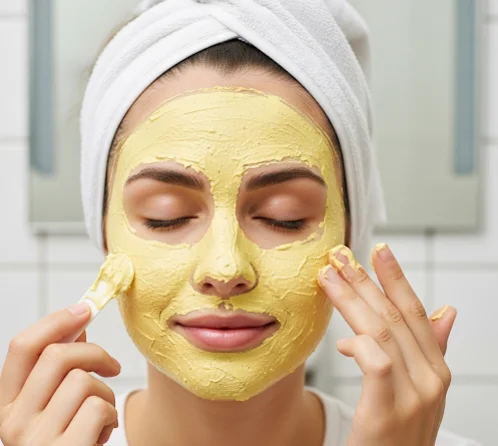
Sulfur mask therapy is a topical treatment using masks infused with sulfur, a natural mineral with strong antibacterial, antifungal, keratolytic (exfoliating), and sebum-regulating properties. Sulfur has been used in dermatology for centuries to treat acne, seborrheic dermatitis, rosacea, and oily skin conditions.
In Korea, sulfur masks are formulated in gentler, cosmetically elegant bases compared to traditional Western sulfur treatments. They are often combined with kaolin clay, centella asiatica, niacinamide, or green tea to balance effectiveness with soothing care. This makes them suitable for acne-prone, oily, and sensitive skin types.
Why it’s done
- Controls oil production → regulates excess sebum, reduces shine
- Fights acne-causing bacteria → decreases inflammation and breakouts
- Clears pores → helps with blackheads and whiteheads
- Exfoliates gently → removes dead skin cells without harsh scrubbing
- Calms inflammation → beneficial for rosacea-prone and sensitive acne skin
- Improves skin texture → smoother, more refined look
In Korea, sulfur mask therapy is particularly popular for teen and young adult acne as well as for adults with stubborn oily skin.
Alternatives
- Clay masks (kaolin, bentonite) → absorb excess oil
- Charcoal masks → detox and pore-clearing
- Salicylic acid treatments → chemical exfoliation inside pores
- Benzoyl peroxide → antibacterial action for acne
- Tea tree or propolis masks → natural antibacterial alternatives
Korean dermatologists often recommend alternating sulfur masks with soothing masks (centella, hyaluronic acid) for balance.
Preparation
Before sulfur mask therapy:
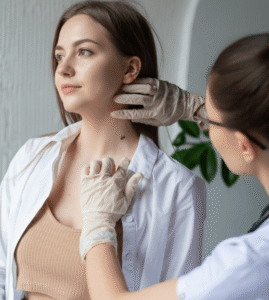
- Skin evaluation → dermatologist checks acne type and oil production
- Patch test → especially important since sulfur can be drying or irritating in sensitive skin
- Routine adjustment → avoid strong exfoliants, retinoids, or peels 2–3 days before use
- Moisturizer prep → ensure barrier support with ceramide creams
How it’s Done
Application method
- Cleanse with a low-pH gel or oil-control cleanser.
- Apply a thin, even layer of sulfur mask to the face (avoid eyes and lips).
- Leave on for 10–20 minutes (depending on skin tolerance).
- Rinse thoroughly with lukewarm water.
- Follow with toner, hydrating serum, and non-comedogenic moisturizer.
Frequency
- Oily/acne-prone skin → 2–3 times per week
- Sensitive skin → once per week, followed by calming care
Clinic-based therapy in Korea
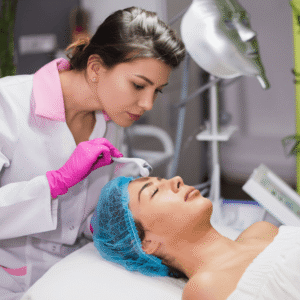
Some dermatology clinics use professional-strength sulfur masks after acne extraction or scaling treatments to calm skin and prevent infection.
Recovery
- Immediate effects → reduced shine, smoother texture, pores look cleaner
- 2–4 weeks → breakouts decrease, fewer clogged pores
- 6–8 weeks → improved oil balance and overall skin clarity
Korean clinics often follow sulfur mask therapy with:
✔️ Soothing LED therapy
✔️ Centella or panthenol ampoules
✔️ Hydration sheet masks to prevent excessive dryness
Complications
- Overuse can cause dryness, peeling, or irritation
- Distinct sulfur smell (less noticeable in modern Korean formulations)
- Temporary redness in very sensitive skin
- Not recommended for those with sulfur or sulfa allergies
Treatment Options in Korea
Common ingredients in Korean sulfur masks
- Sulfur (2–10%)
- Kaolin or bentonite clay (oil absorption)
- Centella asiatica (Cica) for calming
- Niacinamide for brightening and oil control
- Green tea or houttuynia cordata for soothing
Popular Korean products
- Etude House AC Clean Up Pink Powder Mask → sulfur + clay + calming herbs
- COSRX Centella Blemish Clay Mask → sulfur + centella for acne-prone sensitive skin
- Some By Mi Clear Skin Mask Pack → sulfur + tea tree blend
- Mediheal Pore Detox Mask → sulfur + charcoal detox formula
Signature Korean protocols
- Oily acne-prone → sulfur mask 2x/week + salicylic toner + gel moisturizer
- Combination skin → sulfur mask on T-zone only, hydrating mask on cheeks
- Post-acne extraction → sulfur mask + LED blue light + barrier cream
- Rosacea with breakouts → gentle sulfur mask 1x/week + centella recovery cream
Medical tourism approach
International patients often receive acne kits including sulfur masks after visiting Korean clinics, as they are a safe home-care solution between professional acne treatments.
Key Point
Sulfur mask therapy in Korea is a gentle yet effective acne and oil-control treatment that unclogs pores, reduces bacteria, and calms inflammation without excessively stripping the skin. By combining sulfur with soothing botanicals and lightweight K-beauty formulations, Korean dermatology offers a balanced solution for acne-prone and oily skin, making sulfur masks a trusted step in acne management.