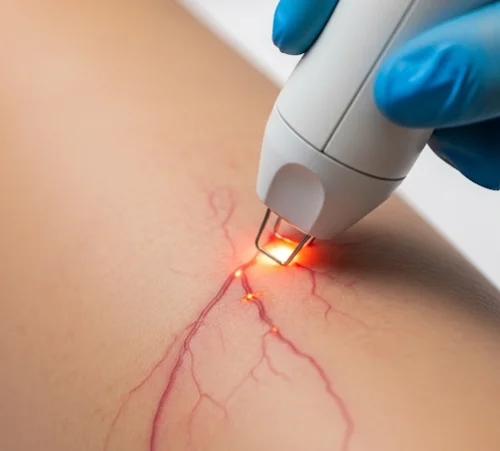
Spider Vein Laser in Korea is a highly effective treatment for eliminating small, dilated blood vessels that appear close to the surface of the skin. Known medically as telangiectasia, spider veins often form on the face, legs, and ankles, creating red, blue, or purple web-like patterns. While harmless, many people seek treatment because spider veins can make the skin look older, uneven, and cosmetically unappealing.
Korea, a global leader in dermatology and laser therapy, uses advanced technologies such as long-pulsed Nd:YAG lasers, Vbeam Pulsed Dye Laser (PDL), and KTP lasers to safely and effectively remove spider veins. Korean dermatologists combine these treatments with custom aftercare and holistic skincare programs, ensuring natural-looking, long-lasting results.
What It Is
Spider vein laser treatment involves targeting abnormal blood vessels with highly specific laser wavelengths that are absorbed by hemoglobin in the blood. The heat causes the vessel walls to collapse, after which the body naturally reabsorbs them.
The most common lasers used in Korea include:
- Long-pulsed Nd:YAG laser (1064 nm) → Best for deeper leg veins and larger spider veins.
- Vbeam Pulsed Dye Laser (PDL, 595 nm) → Gold standard for facial spider veins.
- KTP laser (532 nm) → Ideal for fine, superficial capillaries.
Why It’s Done
Patients choose spider vein laser treatment in Korea for:
- Aesthetic reasons → Smooth, clear skin free of visible blood vessels.
- Anti-aging → Spider veins can give the skin an aged, tired appearance.
- Confidence boost → Especially important for visible spider veins on the face or legs.
- Medical reasons → In some cases, spider veins may cause discomfort or indicate vascular weakness.
- Cultural ideals → In Korea, clear and flawless skin is highly valued.
Alternatives
If laser treatment is not suitable, Korean clinics also provide alternatives:
- Sclerotherapy → Injection of a solution into leg veins to collapse them (better for larger veins).
- IPL/BBL photofacials → For mild spider veins and general redness.
- Topical therapies → Temporary improvement with creams containing niacinamide or vasoconstrictors.
- Lifestyle management → Compression stockings, avoiding prolonged standing, reducing alcohol intake.
Preparation
Preparation for spider vein laser treatment in Korea involves:
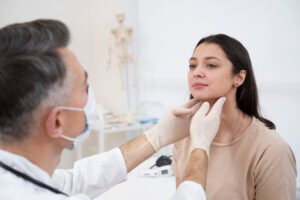
- Consultation → A dermatologist evaluates the location, size, and severity of spider veins.
- Medical history → Patients disclose vascular conditions, medications, or clotting issues.
- Pre-care instructions → Avoid blood thinners, alcohol, tanning, and vigorous exercise before treatment.
- Skin preparation → Moisturizers and sunscreen recommended in the weeks leading up to treatment.
Numbing cream may be applied before the session, especially for larger treatment areas.
How It’s Done
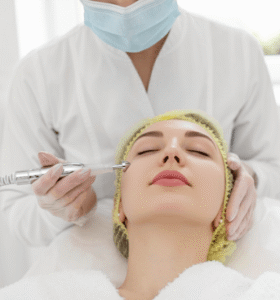
A spider vein laser treatment session in Korea typically lasts 20–40 minutes:
- Cleansing – The skin is cleaned to remove oils and impurities.
- Numbing cream (if needed) – Applied for comfort.
- Laser application –
- The selected vascular laser delivers targeted energy into spider veins.
- Patients may feel a mild snapping or warming sensation.
- Cooling sprays or gels are applied to protect the skin.
- Post-care – Cooling masks, soothing creams, and LED light therapy are often included.
- Final step – Sunscreen or protective creams are applied.
Most patients require 2–4 sessions spaced 4–6 weeks apart for optimal clearance.
Recovery
Recovery is usually mild:
- Immediately after → Redness, swelling, or slight bruising at the treated area.
- 1–3 days later → Veins may look darker before gradually fading.
- 1–2 weeks later → Visible reduction in spider veins with smoother, clearer skin.
For leg spider veins, Korean doctors may recommend compression stockings after treatment to improve results. For facial veins, strict sun protection is emphasized.
Complications
Spider vein laser treatment in Korea is generally safe, but possible side effects include:
- Temporary redness, swelling, or bruising.
- Purpura (purple spots) after PDL treatment.
- Rare hyperpigmentation or hypopigmentation if sun care is neglected.
- Very rare blistering or scarring if lasers are set too aggressively.
Korean dermatologists minimize risks by customizing energy levels and using multi-session, conservative protocols.
Treatment Options
Korean clinics offer specialized spider vein treatment programs:
- Facial spider vein removal → Vbeam PDL or KTP laser for fine capillaries.
- Leg spider vein programs → Long-pulsed Nd:YAG laser or sclerotherapy.
- Rosacea + spider vein control → Combined laser and calming skincare.
- Anti-aging packages → Spider vein removal plus collagen-stimulating treatments.
- Multi-session deals → Clinics in Seoul, especially Gangnam, provide affordable packages for 3–5 sessions.
Conclusion
Spider Vein Laser in Korea is one of the most effective treatments for eliminating facial and leg spider veins, restoring smooth, youthful, and even-toned skin. Using Nd:YAG, Vbeam, and KTP lasers, Korean dermatologists provide precise, safe, and natural results tailored to each patient’s needs.
With Korea’s expertise in dermatology and holistic aftercare protocols, patients benefit not only from visible vein clearance but also from long-term skin health. For those seeking clear, radiant skin free of spider veins, Korean vascular laser treatments remain among the best in the world.