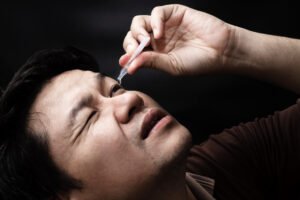

Rosacea Management in Korea focuses on controlling facial redness, flushing, visible blood vessels, bumps, and sensitivity through a combination of advanced dermatological treatments, skincare regimens, and lifestyle adjustments. Rosacea is a chronic skin condition that affects millions worldwide, and although it cannot be cured completely, it can be effectively managed.
Korean dermatology clinics are renowned for their cutting-edge vascular lasers, holistic skincare programs, and personalized protocols. With Korea’s unique blend of scientific dermatology and K-beauty philosophy, patients benefit from comprehensive care that reduces flare-ups, improves skin health, and restores confidence.
What It Is
Rosacea is a chronic inflammatory skin disorder characterized by persistent redness, dilated blood vessels, and sometimes acne-like bumps. It typically affects the central face (cheeks, nose, forehead, chin) and may worsen over time if untreated.
Main subtypes include:
- Erythematotelangiectatic rosacea → Flushing, persistent redness, visible blood vessels.
- Papulopustular rosacea → Red bumps and pimples resembling acne.
- Phymatous rosacea → Skin thickening, often around the nose.
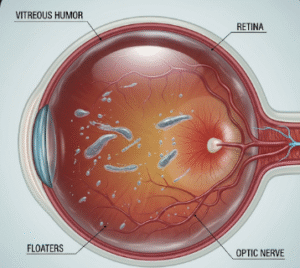
- Ocular rosacea → Affects the eyes with dryness and irritation.
In Korea, management involves targeting vascular issues with lasers, calming inflammation with skincare, and preventing flare-ups with lifestyle care.
Why It’s Done
Patients pursue rosacea management in Korea for:
- Medical reasons → Prevent worsening of symptoms and skin damage.
- Cosmetic reasons → Clearer, more even-toned skin without persistent redness.
- Psychological well-being → Many patients feel self-conscious about redness and flare-ups.
- Cultural aesthetics → Flawless, calm skin is a hallmark of K-beauty standards.
Because rosacea is chronic, Korean dermatologists focus on long-term control rather than quick fixes.
Alternatives
If vascular lasers are not the primary option, Korean clinics provide multiple rosacea management methods:
- Vascular lasers (Vbeam PDL, long-pulsed Nd:YAG, KTP).
- IPL/BBL photofacials → For redness and pigmentation.
- Topical medications → Metronidazole, azelaic acid, ivermectin.
- Oral medications → Doxycycline or isotretinoin for severe papulopustular rosacea.
- Skincare regimens → Niacinamide, centella asiatica, and ceramide-based products.
- Lifestyle adjustments → Avoiding common triggers such as alcohol, spicy food, and heat.
Preparation
Preparation for rosacea management in Korea involves:
- Consultation → Skin analysis with imaging tools to evaluate vascular patterns and inflammation.
- Trigger assessment → Identifying foods, environmental factors, or habits that worsen rosacea.
- Pre-care advice → Stop irritating products (strong acids, retinoids) before starting treatments.
- Skin conditioning → Gentle moisturizers and sunscreen to strengthen the barrier.
How It’s Done
Rosacea management in Korea is a multifaceted process that combines medical, aesthetic, and lifestyle care:
- In-clinic treatments
- Vascular lasers (Vbeam, Nd:YAG, KTP) → Collapse blood vessels to reduce redness.
- IPL/BBL photofacials → Treat redness and pigmentation simultaneously.
- LED light therapy → Calms inflammation and supports healing.
- Prescription therapies
- Topical creams (metronidazole, azelaic acid, ivermectin) → Control inflammation.
- Oral antibiotics (doxycycline) → For moderate to severe cases.
- Skincare routines (K-beauty approach)
- Gentle cleansers → Low pH, non-foaming formulas.
- Barrier repair creams → With ceramides, panthenol, or centella asiatica.
- Anti-inflammatory serums → Niacinamide, green tea extract, or snail mucin.
- Sunscreen → Daily SPF 50+ to prevent UV-induced flare-ups.
- Lifestyle guidance
- Avoid alcohol, caffeine, spicy food, and hot environments.
- Stress management and proper sleep.
- Consistent hydration and antioxidant-rich diet.
Recovery
Recovery depends on the chosen treatments:
- After vascular laser → Temporary redness or mild bruising for 1–3 days.
- After IPL/BBL → Pigmented spots may darken before fading.
- With topical/oral therapy → Improvements appear gradually over 4–8 weeks.
Korean clinics enhance recovery with hydrating facials, soothing masks, and antioxidant ampoules.
Complications
Rosacea treatments are safe in Korea, but possible side effects include:
- Temporary redness, swelling, or sensitivity.
- Dryness or irritation from topical medications.
- Bruising or purpura after vascular lasers (resolves within a week).
- Rare rebound flare-ups if aftercare or trigger control is ignored.
Korean dermatologists minimize risks by using low-fluence lasers, conservative treatment plans, and detailed aftercare instructions.
Treatment Options
Korea offers structured rosacea management programs:
- Redness control packages → Vbeam or Nd:YAG laser sessions.
- Comprehensive rosacea programs → Lasers + topical therapy + LED healing.
- Skincare-focused programs → Sensitive skin facials with centella or green tea.
- Brightening and calming packages → Rosacea care plus pigmentation treatment.
- Long-term maintenance programs → Monthly visits with hydration therapy and mild laser toning.
Seoul clinics, especially in Gangnam, offer multi-session deals, making rosacea management both effective and affordable.
Conclusion
Rosacea Management in Korea is a holistic and scientifically advanced approach to controlling this chronic condition. By combining vascular lasers, prescription therapies, K-beauty skincare routines, and lifestyle guidance, Korean dermatologists help patients achieve clearer, calmer, and healthier skin.
With Korea’s global reputation in skincare innovation and its focus on prevention, precision, and long-term maintenance, rosacea patients benefit from some of the best treatment programs worldwide. For anyone struggling with persistent redness and flare-ups, rosacea management in Korea offers a trusted path to confidence and skin health.