What it is
→ PRX-T33 biorevitalization is an advanced skin treatment sometimes called a “no-peel chemical peel”, designed to rejuvenate the skin without causing visible peeling.
→ The formula contains a unique combination of:
- 33% trichloroacetic acid (TCA) → stimulates collagen and cell renewal.
- Hydrogen peroxide (H₂O₂) → modulates TCA activity, reducing surface damage and inflammation.
- Kojic acid → brightens pigmentation and evens skin tone.
→ Unlike traditional peels, PRX-T33 penetrates deeply into the dermis to stimulate collagen production, improve texture, and reduce pigmentation, all while leaving the epidermis intact.
→ In Korea, PRX-T33 is popular as a lunchtime procedure because it provides noticeable results with little to no downtime.
Why it’s done
→ PRX-T33 is performed to:
- Rejuvenate dull or aging skin.
- Reduce fine lines and wrinkles.
- Improve skin laxity and firmness.
- Lighten pigmentation and melasma.
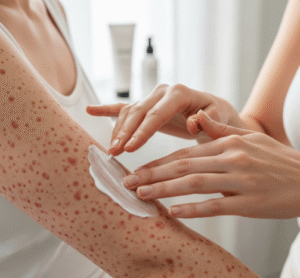
- Fade acne scars and stretch marks.
- Enhance hydration and glow.
- Complement other treatments such as microneedling, lasers, or fillers.
→ It is especially chosen by patients who want visible rejuvenation without the peeling, redness, or downtime of traditional peels.
Alternatives
→ Alternatives to PRX-T33 include:
- Traditional chemical peels → glycolic, salicylic, or TCA (with visible peeling).
- Laser resurfacing → fractional CO₂ or erbium lasers for deeper skin renewal.
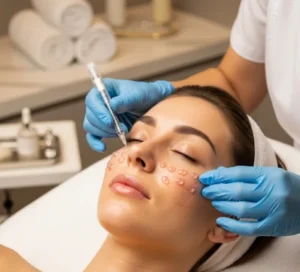
- Microneedling or RF microneedling → stimulates collagen mechanically.
- Biorevitalization injections (skin boosters) → hyaluronic acid or vitamins injected into dermis.
- Mesotherapy → infusion of brightening or hydrating solutions.
→ PRX-T33 is often preferred for patients seeking gentle yet effective skin rejuvenation with minimal disruption.
Preparation
→ Before undergoing PRX-T33 biorevitalization:
- Avoid sun exposure and tanning for 1–2 weeks.
- Stop harsh skincare (retinoids, AHAs, BHAs, exfoliants) for at least 5 days.
- Keep skin well hydrated with moisturizers.
- Discuss medical history → active infections, eczema, or rosacea may require postponement.
- No waxing, laser, or hair removal in the area for 1 week before.
→ Korean dermatologists often recommend a gentle pre-treatment skincare regimen to prepare skin.
How it’s Done
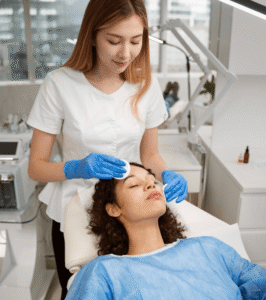
→ A PRX-T33 session typically includes:
- Cleansing → skin is cleaned of oils and impurities.
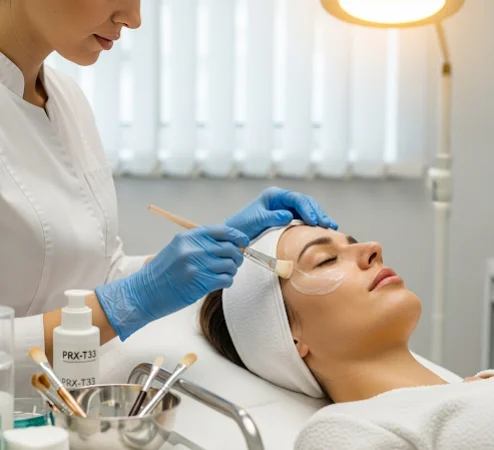
- Application of PRX-T33 solution → applied with firm massage using cotton applicators.
- Layering → 2–4 layers applied depending on skin type and concern.
- Absorption → solution penetrates into dermis, stimulating collagen.
- Neutralization → no need for neutralizer; the solution self-regulates with hydrogen peroxide.
- Moisturizer and sunscreen → applied before leaving the clinic.
→ Session length: 20–30 minutes.
→ Course: 3–5 sessions spaced 1–2 weeks apart, followed by maintenance every 2–3 months.
Recovery
→ One of the main benefits of PRX-T33 is minimal recovery:
- Immediate effects → skin looks fresher, plumper, and brighter.
- No visible peeling → unlike standard TCA peels.
- Mild redness or tightness may last a few hours.
- Results build over weeks as collagen stimulation continues.
→ Aftercare recommendations:
- Use gentle, hydrating skincare for 3–5 days.
- Avoid saunas, hot yoga, or intense workouts for 24–48 hours.
- Apply soothing creams (panthenol, hyaluronic acid, cica-based products).
- Use SPF 50+ sunscreen daily.
Complications
→ PRX-T33 is considered very safe, but possible side effects include:
- Temporary redness or sensitivity.
- Mild peeling or dryness in some patients.
- Allergic reaction to kojic acid (rare).
- Post-inflammatory hyperpigmentation (PIH) if sun exposure occurs after treatment.
→ Risks are minimal compared to standard TCA peels because hydrogen peroxide protects the surface layers.
Treatment options in Korea
→ Korea has adopted PRX-T33 as part of its advanced skin rejuvenation portfolio:
- Expert protocols → dermatologists adjust number of layers and combination treatments for each patient.
- Combination therapy → PRX-T33 often paired with microneedling, laser toning, or skin boosters for enhanced results.
- Brightening focus → clinics emphasize pigmentation improvement, especially for melasma and PIH-prone skin.
- Quick sessions → marketed as a “lunchtime peel” with no downtime, ideal for busy professionals.
- Medical tourism → international patients benefit from English-speaking staff, bundled skincare kits, and follow-up care instructions.
- Integration with K-beauty → many Korean clinics combine PRX-T33 with Korean post-care serums, masks, and LED therapy.
→ With its gentle yet powerful action, minimal downtime, and integration into holistic Korean skincare programs, PRX-T33 biorevitalization is one of the most advanced rejuvenation treatments available.