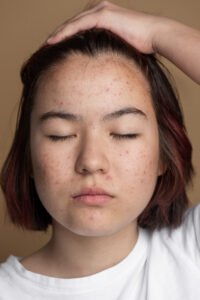
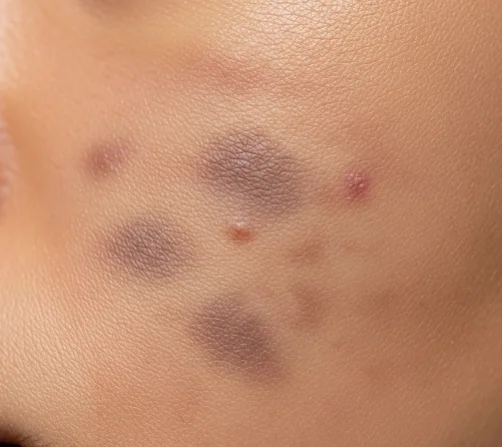
Post-Inflammatory Hyperpigmentation (PIH) Treatment in Korea is a highly popular dermatological service aimed at fading dark spots or patches that remain after skin inflammation. PIH commonly appears after acne breakouts, eczema, burns, or other skin injuries, and while it is harmless, it can be distressing for patients.
Korea, globally recognized for its expertise in pigmentation management, has developed advanced laser therapies, chemical treatments, and topical regimens that effectively treat PIH. Korean dermatology clinics also emphasize preventive care and holistic aftercare, ensuring that pigmentation fades safely while maintaining healthy, radiant skin.
What It Is
Post-inflammatory hyperpigmentation is a temporary skin discoloration that occurs after inflammation or trauma. When the skin heals, it sometimes produces excess melanin, resulting in brown, black, or even purple spots that linger long after the initial problem clears.
In Korea, dermatologists treat PIH using a range of scientifically proven methods, including:
- Q-switched Nd:YAG laser toning → Gentle, multi-session treatment to break down melanin.
- Pico lasers (PicoWay, PicoSure Pro) → Advanced precision for stubborn pigmentation.
- Chemical peels → Exfoliates and accelerates skin turnover.
- Topical therapies → Prescription creams with hydroquinone, retinoids, or azelaic acid.
- K-beauty whitening regimens → Serums with niacinamide, tranexamic acid, and Vitamin C.
Why It’s Done
PIH treatment in Korea is performed for both cosmetic improvement and emotional well-being:
- Cosmetic reasons → Patients want smooth, even-toned, and clear skin.
- Confidence boost → Many feel self-conscious about lingering dark spots.
- Preventive care → Early intervention prevents spots from worsening or becoming permanent.
- Cultural reasons → Clear, radiant, and spotless skin is a key part of Korean beauty ideals.
Because PIH is so common after acne, especially in Asian skin types, Korean dermatology clinics have specialized in creating safe, effective, and long-term protocols.
Alternatives
Korean clinics offer several alternatives or complementary treatments for PIH:
- Laser toning (Q-switched Nd:YAG) → First-line treatment for Asian skin.
- Pico toning → For deeper or stubborn pigmentation.
- Chemical peels (glycolic, lactic, or salicylic acid).
- Microneedling with brightening ampoules.
- Spectra or Carbon Laser Peel → For patients with acne and PIH together.
- IPL or BBL photofacials → Broader pigmentation and redness management.
- At-home K-beauty skincare → Niacinamide, Vitamin C, and arbutin-based brightening serums.
Preparation
Preparation for PIH treatment in Korea is patient-specific:
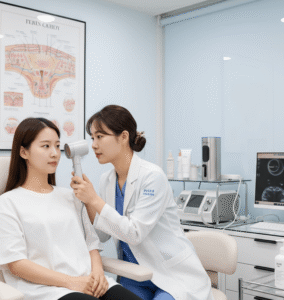
- Consultation → Dermatologists use skin imaging systems to measure pigmentation depth.
- Pre-care instructions → Avoid tanning, sun exposure, harsh exfoliants, and retinoids before treatment.
- Hydration → Using gentle moisturizers and sheet masks helps strengthen the skin barrier.
- Medical disclosure → Patients should inform dermatologists about medications, acne treatments, or skin sensitivities.
For laser-based sessions, numbing cream may be applied for comfort.
How It’s Done
A PIH treatment session in Korea typically lasts 20–40 minutes:
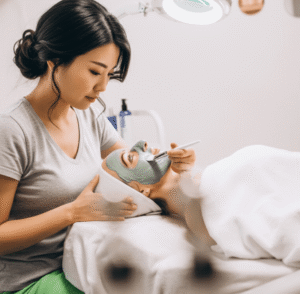
- Cleansing – Skin is cleansed of dirt, oils, and makeup.
- Numbing cream (if laser) – Applied for 20–30 minutes.
- Treatment application –
- Laser therapy → Gentle pulses break down melanin clusters.
- Chemical peel → Acids exfoliate and lighten pigmentation.
- Topical infusion → Brightening serums may be applied afterward.
- Post-care – Cooling masks, hydrating ampoules, or LED light therapy.
- Final step – Sunscreen and moisturizer are applied before leaving.
Patients typically undergo 3–6 sessions for visible, lasting improvement.
Recovery
Recovery from PIH treatment in Korea is usually mild:
- Immediately after → Skin may appear slightly red or sensitive.
- 2–5 days later → Pigmented areas may darken temporarily before fading.
- 1–2 weeks later → Skin tone becomes clearer and more even.
Korean clinics enhance recovery with hydration facials, soothing ampoules, and antioxidant-rich aftercare. Daily use of SPF 50+ sunscreen is mandatory to protect results.
Complications
PIH treatments are safe in Korean clinics, but potential side effects include:
- Temporary redness or dryness.
- Slight scabbing or flaking.
- Hyperpigmentation or hypopigmentation if aftercare is ignored.
Korean dermatologists minimize risks by using low-fluence lasers, conservative chemical peel strengths, and customized aftercare protocols.
Treatment Options
Korea offers a variety of specialized PIH treatment programs:
- Laser toning packages → Using Q-switched Nd:YAG or Pico lasers.
- Acne + PIH programs → Combines acne therapy with pigmentation treatment.
- Brightening programs → Add-ons such as Vitamin C infusions and whitening ampoules.
- Combination packages → PIH treatment plus Aqua Peel or Hydrafacial.
- Maintenance programs → Long-term skincare plans for preventing recurrence.
Seoul’s top dermatology hubs, particularly in Gangnam, offer multi-session deals for both locals and international patients.
Conclusion
Post-Inflammatory Hyperpigmentation (PIH) Treatment in Korea is one of the most effective ways to achieve clear, radiant, and even-toned skin after acne or other skin injuries. With advanced lasers, chemical therapies, and customized skincare programs, Korean dermatologists deliver safe and natural-looking results.
Korea’s approach combines science, prevention, and K-beauty philosophy, ensuring not just treatment but also long-term skin health. For patients struggling with lingering pigmentation, Korean PIH treatments remain among the best in the world, offering both confidence and clarity.