What It Is
Photorejuvenation is a non-invasive cosmetic dermatological procedure designed to improve the appearance of the skin by using light-based technology. The term generally refers to Intense Pulsed Light (IPL) therapy or laser-based techniques, both of which deliver energy into the skin to target pigmentation, redness, fine lines, and overall uneven tone.
Unlike traditional ablative laser resurfacing, photorejuvenation does not remove layers of skin. Instead, it penetrates deeper to stimulate collagen production, minimize vascular irregularities, and reduce pigmentation caused by sun exposure or aging. This makes it a highly popular option among individuals seeking a younger, fresher, and more even complexion without significant downtime.
In Korea, photorejuvenation is often integrated with K-beauty approaches, combining advanced dermatological technology with tailored skincare regimens, making treatments more precise and holistic.
Why It’s Done
People opt for photorejuvenation to address a wide range of skin issues:
➝ Sun damage: Reduces dark spots, freckles, and uneven pigmentation.
➝ Redness and vascular lesions: Helps treat conditions like rosacea, broken capillaries, and spider veins.
➝ Aging signs: Minimizes fine lines, boosts collagen, and improves elasticity.
➝ Texture improvement: Smooths rough skin and reduces pore size.
➝ Acne-related issues: Some IPL treatments can reduce redness and lingering pigmentation from acne.
In Korea, the main motivation is to achieve the “chok-chok” (dewy and radiant) look. Many Korean patients undergo photorejuvenation not only for correction but also for prevention, maintaining youthful skin even before visible aging signs become pronounced.
Alternatives
While photorejuvenation is effective, several alternative treatments exist depending on a patient’s needs:
- Chemical Peels ➝ Removes damaged outer layers of skin and improves tone.
- Microdermabrasion ➝ Mechanical exfoliation to refine surface texture.
- Laser Resurfacing ➝ Fractional CO₂ or erbium lasers for deeper wrinkles or scars.
- Radiofrequency (RF) Treatments ➝ Stimulates collagen using heat rather than light.
- Microneedling ➝ Induces micro-injuries to boost natural collagen production.
- Topical Treatments ➝ Prescription retinoids, hydroquinone, and brightening serums.
In Korea, it is very common to combine treatments for better results. For example, IPL may be paired with hydrafacial therapy, RF tightening, or platelet-rich plasma (PRP) treatments to maximize rejuvenation effects.
Preparation
Before undergoing photorejuvenation, proper preparation ensures both safety and effectiveness:
➝ Consultation: Dermatologists assess skin type, condition, and concerns. Skin prone to hyperpigmentation may require pre-treatment with brightening creams.
➝ Avoid tanning: Sun exposure or tanning should be avoided at least 4 weeks prior.
➝ Discontinue photosensitive medications: Certain antibiotics or retinoids may increase skin sensitivity to light.
➝ No waxing or chemical peels: For at least 2 weeks before the procedure.
➝ Patch test: Often done in Korean clinics to check skin reaction to IPL or laser.
➝ Hydration & skincare routine: Patients are advised to keep skin moisturized and avoid irritants (like alcohol-based toners).
In Korean clinics, preparation also includes digital skin analysis (3D photography and pigmentation mapping) to determine exact problem areas before treatment begins.
How It’s Done
The procedure itself is straightforward and relatively comfortable:
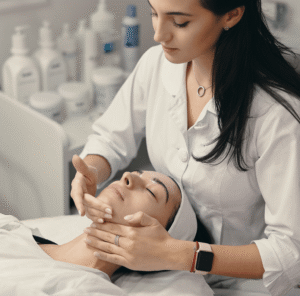
- Cleansing ➝ The skin is cleansed to remove oils, makeup, and impurities.
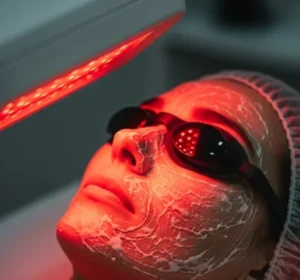
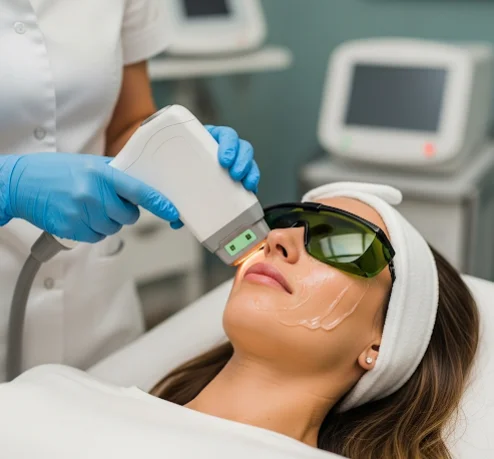
- Protective gear ➝ Patients wear eye shields or goggles to protect from light.
- Cooling gel ➝ A cold gel is applied to help light penetration and minimize discomfort.
- Light application ➝ The dermatologist uses a handheld IPL or laser device, which delivers pulses of light to the targeted skin. Patients often describe the sensation as a “rubber band snapping” on the skin.
- Duration ➝ Sessions typically last 20–45 minutes, depending on the size of the area treated.
- Post-treatment care ➝ Cooling masks or soothing serums are often applied in Korean clinics to calm redness immediately.
Most patients require 3–5 sessions spaced 3–4 weeks apart for optimal results.
Recovery
One of the biggest advantages of photorejuvenation is its minimal downtime:
- Immediately after treatment: Skin may appear slightly red or flushed, similar to mild sunburn.
- Next few days: Brown spots may darken before flaking off naturally.
- One week: Skin looks clearer, brighter, and more even.
- Long-term: Collagen production continues, and texture improvements become visible over several months.
Recovery tips:
➝ Avoid direct sun exposure for 2–4 weeks.
➝ Apply broad-spectrum SPF 50+ daily.
➝ Use gentle cleansers and moisturizers.
➝ Avoid hot baths, saunas, and strenuous workouts for 24–48 hours.
Korean dermatology clinics usually provide aftercare packages, including soothing sheet masks, calming creams, and detailed skincare routines to accelerate healing.
Complications
Though generally safe, photorejuvenation has potential risks:
➝ Redness and swelling: Usually mild and temporary.
➝ Pigment changes: Hyperpigmentation or hypopigmentation may occur, especially in darker skin tones.
➝ Blistering or burns: Rare but possible if the device is not adjusted properly.
➝ Eye injury: Avoided with proper protective eyewear.
➝ Scarring: Extremely rare, but possible if post-care guidelines are not followed.
In Korea, complications are minimized because clinics often use new-generation devices with built-in cooling and AI-assisted calibration, tailoring energy output to individual skin types.
Treatment Options in Korea
South Korea is known as a global leader in dermatology and aesthetic treatments, offering highly advanced photorejuvenation options. Some unique aspects include:
1. Wide Device Variety
- IPL (Intense Pulsed Light) ➝ General photorejuvenation, pigmentation, redness.
- Q-Switched Nd:YAG Laser ➝ Popular for Asian skin tones to reduce pigmentation safely.
- Fractional Lasers ➝ For deeper rejuvenation and texture repair.
2. Personalized Programs
- Korean clinics rarely offer photorejuvenation as a “standalone” treatment. Instead, they design packages combining IPL with aqua facials, RF, or skin boosters.
- Customization ensures long-term maintenance rather than short-term fixes.
Final Thoughts
Photorejuvenation in Korea stands out because of its combination of cutting-edge technology, preventative approach, and holistic aftercare. While it is not the only solution for pigmentation, redness, or aging signs, it offers a balance of safety, effectiveness, and convenience that makes it one of the most sought-after procedures in the world of skincare.
By understanding what it is, why it’s done, the preparation process, alternatives, and recovery expectations, patients can make informed decisions and fully embrace the benefits of Korean-style skin rejuvenation.