What It Is
Defining Photoprotection
→ Photoprotection refers to strategies that protect the skin from harmful effects of ultraviolet (UV) radiation from sunlight or artificial sources.
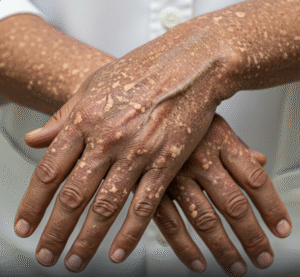
→ UV exposure contributes to sunburn, skin aging (photoaging), pigmentation disorders, and skin cancers.
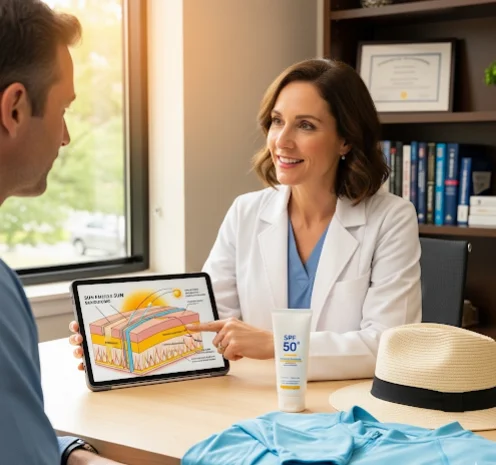
→ Photoprotection counseling involves personalized guidance from dermatologists to help patients adopt sun safety measures, skincare routines, and protective habits.
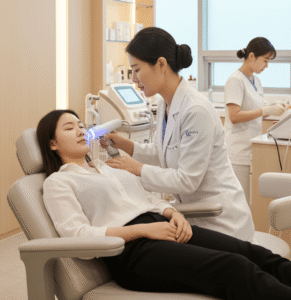
→ In Korea, where skincare is a strong cultural focus, photoprotection counseling is integrated into both dermatology clinics and cosmetic care programs.
Key Characteristics
- Emphasizes prevention over treatment
- Covers sunscreen use, clothing, shade-seeking, and lifestyle changes
- Essential for patients with photosensitive conditions (lupus, melasma, photoallergy)
- Often combined with cosmetic dermatology for pigmentation and anti-aging support
Why It’s Done
Main Reasons for Counseling
➡ Prevent Skin Damage – Reduces risk of wrinkles, pigmentation, and skin cancer.
➡ Manage Skin Disorders – Essential for patients with photoallergy, lupus, melasma, and rosacea.
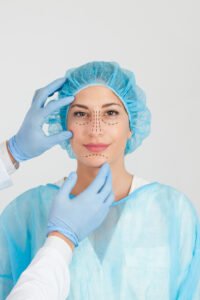
➡ Enhance Cosmetic Outcomes – Maximizes results of dermatology procedures like lasers, peels, or scar treatments.
➡ Education and Compliance – Many people underuse sunscreen or apply it incorrectly; counseling corrects mistakes.
➡ Long-Term Skin Health – Builds habits for lifelong skin protection and wellness.
Alternatives
Non-Medical Options
- Self-Education → Learning sun safety through online resources (less accurate without professional guidance).
- Trial-and-Error Sunscreen Use → Choosing products independently without dermatologist advice.
- Basic Sun Avoidance → Staying indoors, though impractical long-term.
Medical Alternatives
→ If counseling is unavailable, patients may rely on:
- General dermatology visits for specific concerns without structured education.
- Over-the-counter skincare advice from pharmacists or cosmetic stores.
- Public awareness campaigns on sun safety.
Preparation
Before Counseling in Korea
➡ Skin Evaluation – Dermatologist examines skin type, pigmentation, and sun damage.
➡ Medical History – Conditions like lupus, melasma, vitiligo, or history of skin cancer are reviewed.
➡ Lifestyle Review – Outdoor work, leisure habits, and use of skincare/cosmetics.
➡ Patient Concerns – Whether focus is medical (disease prevention) or cosmetic (anti-aging, brightening).
➡ Expectation Setting – Patients are informed that photoprotection is lifelong and daily, not a short-term fix.
How It’s Done
Standard Photoprotection Counseling in Korea
1. Education on UV Radiation
→ Patients are taught about:
- UVA (aging rays) → penetrates deeply, causes aging and pigmentation
- UVB (burning rays) → causes sunburn, contributes to skin cancer
- UVC → filtered by atmosphere, not relevant for daily care
2. Sunscreen Guidance
→ Detailed instruction is given on proper sunscreen use.
- Use broad-spectrum sunscreen (SPF 30–50+, PA+++)
- Apply 20–30 minutes before sun exposure
- Reapply every 2–3 hours, especially after sweating or swimming
- Amount: 2 mg/cm² (about a teaspoon for face and neck)
- Daily use even on cloudy days and indoors (UVA penetrates glass)
3. Physical Protection
→ Dermatologists emphasize:
- Wide-brimmed hats, sunglasses, and UV-blocking umbrellas
- UPF-rated clothing for outdoor workers and children
- Avoidance of peak sun hours (10 AM–4 PM)
4. Skincare Integration
→ Korean dermatology integrates photoprotection into beauty regimens.
- Antioxidant serums (vitamin C, E) enhance UV defense
- Moisturizers with SPF for convenience
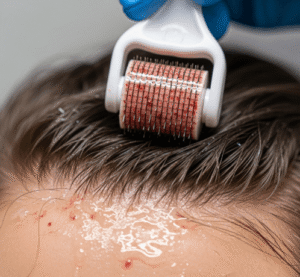
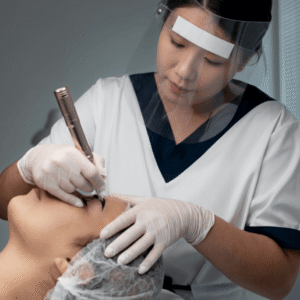
- Post-procedure sun care for patients undergoing laser, microneedling, or chemical peels
5. Counseling for Special Populations
- Children → Emphasis on protective clothing and safe sunscreens (mineral-based zinc oxide/titanium dioxide)
- Pregnant Women → Safe mineral sunscreens recommended
- Photosensitive Patients (lupus, photoallergy) → Strict protection with both physical and chemical barriers
- Outdoor Workers and Athletes → Reapplication strategies, sweat-proof sunscreens, and hats/visors
6. Patient Education Tools
- Korean clinics often provide UV photography imaging to show hidden sun damage
- Handouts, apps, and product lists tailored to skin type and condition
Recovery
Immediate Benefits
- Patients quickly notice reduced redness, sunburn, and irritation after consistent protection.
- Cosmetic benefits include fewer tanning spots and smoother skin tone.
Long-Term Benefits
→ With consistent photoprotection, patients achieve:
- Reduced risk of skin cancers (basal cell, squamous cell, melanoma)
- Delayed signs of aging (wrinkles, sagging, pigmentation)
- Improved outcomes of dermatology treatments
- Better control of photosensitive diseases (lupus, melasma, rosacea)
Complications
Risks Without Counseling
- Incorrect Sunscreen Use → Too little applied, infrequent reapplication
- Ongoing Skin Damage → Wrinkles, sunspots, increased cancer risk
- Poor Treatment Outcomes → Laser and peel results compromised
- Disease Flares → Melasma, lupus, and photoallergy worsen
Risks With Counseling
- Sunscreen Irritation → Rare allergic or irritant reaction to certain ingredients
- Over-Reliance on Sunscreen → Neglecting hats or shade-seeking habits
- Compliance Challenges → Patients may forget or resist frequent application
Treatment Options in Korea
Why Korea Excels in Photoprotection Counseling
➡ Integration with Cosmetic Dermatology – Photoprotection advice is part of nearly every Korean skincare program.
➡ Access to Wide Range of Sunscreens – Korea is a global leader in innovative, cosmetically elegant sunscreens.
➡ Patient Education Culture – Clinics provide detailed instructions, follow-ups, and even product recommendations.
➡ Technology Support – Many Korean clinics use UV skin imaging to personalize care.
➡ Combination with Lifestyle and Beauty Trends – Photoprotection is framed not only as medical, but also as essential for beauty and anti-aging.
Patient Experience in Korea
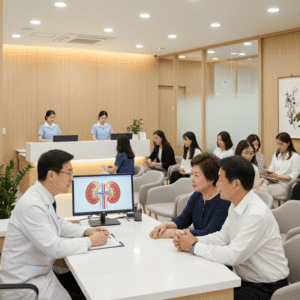
- Counseling sessions are outpatient-based, often during dermatology consultations.
- Patients may receive personalized sunscreen samples to test for comfort and cosmetic appeal.
- After counseling, patients are encouraged to keep sun diaries and track flare-ups or pigmentation changes.
- Korean clinics often provide follow-up care after cosmetic procedures to ensure proper photoprotection.
Conclusion
Photoprotection counseling in Korea is a comprehensive, personalized approach that blends medical prevention with cosmetic skincare guidance.
Through education on UV radiation, sunscreen use, clothing, and lifestyle adjustments, Korean dermatologists ensure patients build lifelong habits for sun safety.
By integrating advanced sunscreen products, UV imaging, and tailored advice, Korea offers some of the most advanced and effective photoprotection programs worldwide.
For anyone concerned about skin health, anti-aging, or sun-related conditions, photoprotection counseling in Korea provides both medical reliability and cosmetic excellence.