A Comprehensive Guide to Skin and Care Treatment
➤ What it is
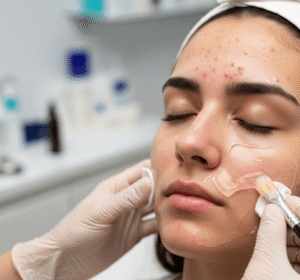
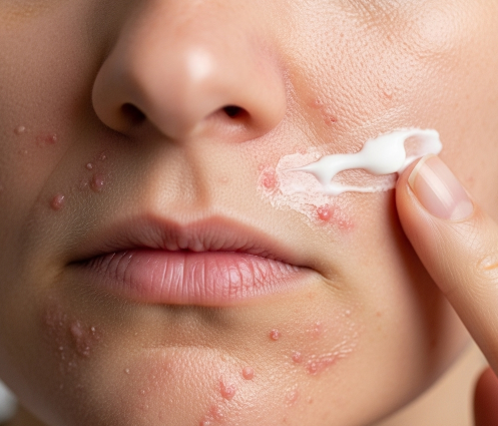
Perioral Dermatitis (POD) is a chronic facial skin condition that causes clusters of red, inflamed papules or pustules around the mouth, nose, and sometimes the eyes (periocular dermatitis). It often resembles acne or rosacea but has distinct features.
Key characteristics include:
- Small red bumps and patches near the mouth and nasolabial folds.
- Burning or tightness more than itching.
- Clear skin immediately bordering the lips (“sparing of the vermilion border”).
- May spread around the nose or eyes if untreated.
Triggers include:
- Topical steroid use (most common cause).
- Heavy or occlusive cosmetics.
- Toothpastes with fluoride or tartar-control ingredients.
- Hormonal fluctuations, stress, or environmental factors.
In Korea, perioral dermatitis care blends medical dermatology, advanced skincare, and holistic prevention, ensuring effective control while protecting skin’s cosmetic appearance.
➤ Why it’s done
Treatment for POD is important because:
- Symptom Relief → reduces redness, burning, and discomfort.
- Preventing Progression → untreated POD can spread to larger areas of the face.
- Cosmetic Recovery → restores smooth, clear skin.
- Preventing Recurrence → controlling triggers reduces flares.
- Korean Cultural Context → since skin clarity is highly valued, patients often seek early treatment for both health and appearance.
➤ Alternatives
Management depends on severity and triggers.
Medical Treatments
- Topical antibiotics (metronidazole, clindamycin, erythromycin).
- Topical calcineurin inhibitors (pimecrolimus, tacrolimus) for steroid-sensitive patients.
- Oral antibiotics (doxycycline, tetracycline, minocycline) for moderate to severe cases.
- Azelaic acid or sulfur creams for anti-inflammatory support.
Lifestyle & Trigger Management
- Discontinuation of topical steroids (“zero therapy”).
- Avoid heavy creams, fluoridated toothpaste, and irritating cosmetics.
- Gentle skincare routine.
Korean Dermatology Alternatives
- Soothing facials → calming masks with centella, green tea, or mugwort.
- LED red light therapy → reduces inflammation and redness.
- Barrier-repair creams → with ceramides and hyaluronic acid.
- Personalized cosmeceuticals → mild Korean formulations designed for sensitive skin.
➤ Preparation
Preparation is key before treatment:
- Medical Diagnosis
- Clinical exam to differentiate POD from acne, rosacea, or seborrheic dermatitis.
- Patient history, especially topical steroid use.
- Pre-Treatment Adjustments
- Stop steroids and irritating cosmetics.
- Switch to gentle, non-foaming cleansers.
- Apply only light moisturizers.
- Korean Clinical Preparation
- Skin imaging to document baseline inflammation.
- Hydrating and soothing facials before introducing stronger medical treatments.
➤ How it’s Done
Perioral dermatitis care in Korea typically combines medical therapy with supportive skincare:
1. Discontinuing Steroids & Triggers
- Stopping topical corticosteroids is the first step.
- Temporary rebound flare may occur but resolves with proper care.
2. Topical Therapy
- Metronidazole or clindamycin creams.
- Pimecrolimus or tacrolimus for steroid-sensitive areas.
- Azelaic acid or sulfur-based treatments for inflammation.
3. Oral Therapy (Moderate to Severe Cases)
- Low-dose doxycycline or tetracycline for 6–12 weeks.
- Used for resistant or widespread POD.
4. Korean Dermatology Additions
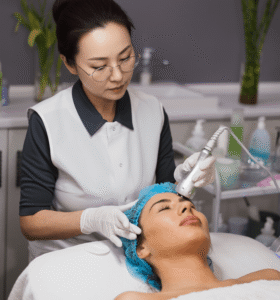
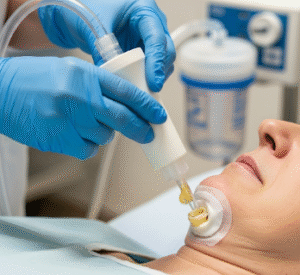
- LED red light therapy sessions to calm inflammation.
- Soothing facials → herbal compresses, centella masks.
- Barrier creams → ceramide-based cosmeceuticals recommended for daily use.
- Cosmetic laser options (PDL or IPL) → occasionally used to reduce redness post-inflammation.
5. Lifestyle & Skincare Integration
- Switch to low-irritant Korean skincare routines.
- Focus on hydration and barrier repair, avoiding occlusive oils.
- Stress reduction programs sometimes offered in holistic Korean clinics.
➤ Recovery
Recovery depends on severity and adherence to treatment:
- Mild Cases (Topical Only)
- Improvement in 2–4 weeks.
- Moderate Cases (Oral + Topical)
- Significant improvement in 4–8 weeks.
- Severe or Chronic Cases
- May require months of treatment plus long-term skincare maintenance.
Aftercare Instructions:
- Avoid makeup or heavy skincare until skin clears.
- Apply moisturizers regularly.
- Use sunscreen (non-comedogenic, fragrance-free).
- Avoid spicy foods and alcohol, which may worsen inflammation.
Korean Recovery Practices:
- Hydration masks and facials post-clearance to improve skin tone.
- Laser redness reduction therapies for lingering erythema.
- Customized skincare regimens recommended for long-term barrier protection.
➤ Complications
If untreated or poorly managed, perioral dermatitis may lead to:
- Chronic relapses triggered by skincare or lifestyle habits.
- Post-inflammatory pigmentation after redness resolves.
- Emotional distress due to visible facial lesions.
- Steroid dependence if misuse continues.
Korean dermatologists minimize risks with:
- Early steroid withdrawal programs.
- Scar and pigmentation correction therapies.
- Patient counseling on safe cosmetic practices.
➤ Treatment Options in Korea
Korea’s approach to POD stands out globally for its integration of dermatology and cosmetic science.
Why Korea excels:
- Rapid access to dermatologists with advanced imaging tools.
- Cutting-edge adjuncts like LED therapy, IPL, and herbal facials.
- Cosmetic-conscious focus → pigmentation and redness addressed post-inflammation.
- Holistic patient care → lifestyle counseling, skincare education, and prevention strategies.
Unique Korean Practices:
- “Zero therapy” transition programs → supervised withdrawal from steroids with skincare support.
- Barrier-repair skincare regimens → tailored Korean cosmeceuticals for sensitive skin.
- LED + facial therapy combos → medical treatment paired with soothing recovery care.
- Medical tourism options → international patients seek Korean clinics for POD management and aesthetic refinement.
✨ Final Thoughts
Perioral Dermatitis Care in Korea reflects a holistic, dual-focus philosophy:
- Medical control with antibiotics, steroid withdrawal, and topical anti-inflammatories.
- Cosmetic restoration with LED therapy, facials, barrier creams, and redness reduction.
By combining science, skincare, and preventive education, Korea ensures patients achieve not only symptom resolution but also long-term skin clarity and confidence.
This integrated approach positions Korea as a global leader in perioral dermatitis care, offering patients both effective control and aesthetic satisfaction.