What it is
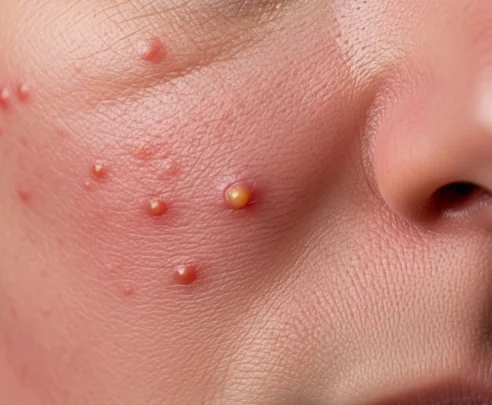
Papulopustular rosacea (PPR) in Korea is a chronic inflammatory skin condition that combines persistent facial redness (erythema) with acne-like papules and pustules.
Unlike acne vulgaris, papulopustular rosacea does not involve clogged pores or blackheads; instead, it is caused by vascular dysregulation, immune system overactivity, and inflammation. The condition is most common on the cheeks, forehead, chin, and nose, and may coexist with flushing or visible blood vessels.
→ In Korea, PPR is managed through dermatology-led treatments that blend advanced medical therapy with skin-calming approaches, ensuring both medical improvement and cosmetic satisfaction.
• It is sometimes referred to as “acne rosacea,” though it differs significantly from traditional acne.
• Korean clinics focus not only on symptom relief but also on skin barrier restoration to reduce recurrence.
Why it’s done
Patients in Korea seek treatment for papulopustular rosacea because:
→ Aesthetic concerns: Redness and pimples can be mistaken for acne, making skin appear persistently inflamed.
→ Discomfort: Burning, stinging, and sensitivity often accompany flare-ups.
→ Chronic nature: Without treatment, PPR tends to worsen and cause long-term redness and irritation.
→ Confidence and lifestyle: In Korea, where smooth and even-toned skin is highly valued, rosacea can significantly impact confidence.
→ Prevention: Early management helps prevent progression into more severe rosacea forms, such as thickened skin (phymatous rosacea).
Alternatives
Besides professional treatments, there are alternative or supportive approaches:
• Gentle skincare → Products with centella asiatica, niacinamide, and panthenol to calm the skin.
• Anti-inflammatory diets → Avoiding spicy food, alcohol, hot drinks, and focusing on anti-inflammatory foods.
• Stress management → Yoga, meditation, and stress reduction techniques to minimize flare-ups.
• Mineral-based makeup → Green-tinted primers to camouflage redness.
→ While these support the skin, Korean dermatology clinics provide more effective, long-term solutions.
Preparation
Before beginning rosacea treatment in Korea, preparation ensures safe results:
- Dermatologist consultation → A skin analysis determines rosacea type and severity.
- Identify triggers → Patients are asked about diet, stress, and skincare habits.
- Discontinue irritants → Harsh exfoliants, alcohol-based toners, and retinoids should be paused.
- Sun protection → SPF use is mandatory, as UV rays worsen rosacea.
- Patch testing → For sensitive patients, skincare and medications may be tested on small areas first.
→ Korean clinics emphasize gentle cleansing and hydration as a baseline before stronger treatments are introduced.
How it’s done
Papulopustular rosacea treatment in Korea usually combines medical, procedural, and cosmetic strategies:
- Topical treatments
- Metronidazole gel or cream → Anti-inflammatory and antimicrobial.
- Azelaic acid → Reduces inflammation and papules.
- Ivermectin cream → Targets Demodex mites, often linked to rosacea.
- Oral medications
- Low-dose doxycycline → Anti-inflammatory, not antibacterial at these doses.
- Isotretinoin (low dose) → For resistant or severe cases.
- Laser and light therapy
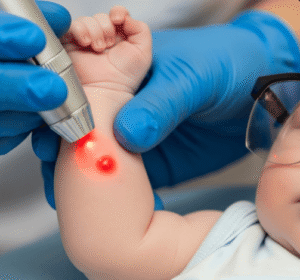
- V-beam (pulsed dye laser) → Targets redness and dilated vessels.
- IPL (intense pulsed light) → Reduces diffuse erythema and supports overall skin clarity.
- Skin-calming therapy
- LED light therapy, cooling masks, and centella-based serums are often added in Korean clinics to soothe sensitivity.
- Lifestyle management
- Avoiding heat, spicy foods, alcohol, and emotional stressors.
→ Most patients require 3–6 months of consistent treatment for visible improvement, with maintenance therapy afterward.
Recovery
Recovery after rosacea treatment in Korea varies depending on the method:
• Topicals and oral medications → Usually well tolerated, though dryness or mild irritation may occur.
• Laser treatment → Temporary redness or swelling for 1–3 days; results appear gradually over several sessions.
• LED and calming care → No downtime, only soothing benefits.
→ With consistent care, flare-ups become less frequent, redness fades, and skin becomes more stable.
Complication
While treatments are generally safe, possible complications include:
- Skin dryness and irritation → Common with azelaic acid or oral antibiotics.
- Photosensitivity → From doxycycline; requires strict SPF use.
- Temporary bruising or swelling → After vascular laser therapy.
- Relapse → Symptoms may return if triggers are not managed.
→ Korean clinics minimize risks with customized treatment plans and close follow-up monitoring.
Treatment option in Korea
Korea is a leading destination for rosacea management, including papulopustular rosacea:
→ Dermatology expertise → Korean specialists are highly trained in differentiating rosacea from acne and tailoring care accordingly.
→ Laser systems → Advanced technologies like V-beam and IPL are widely available for vascular support.
• Combination care → Clinics integrate medical prescriptions, in-clinic procedures, and home skincare guidance.
• Barrier-strengthening skincare → Many clinics provide post-treatment kits with centella asiatica, hyaluronic acid, and soothing peptides.
• Medical tourism → Patients from abroad often visit Korean dermatology clinics for rosacea treatment, appreciating the balance of medical and cosmetic care.
→ With a strong focus on precision, aesthetics, and skin comfort, Korea offers some of the most advanced papulopustular rosacea treatments worldwide, restoring both skin clarity and patient confidence.