What it is
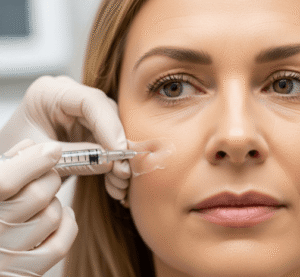
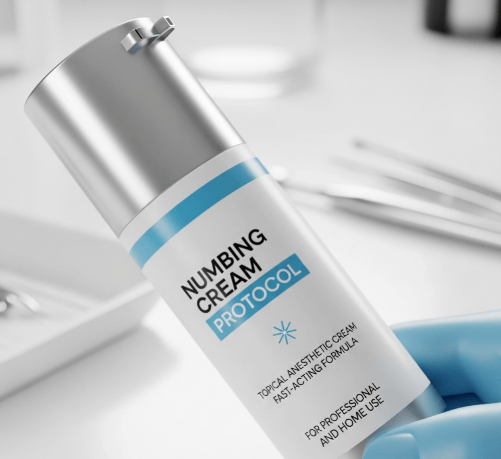
→ A numbing cream protocol is a standardized procedure in dermatology and cosmetic medicine that uses topical anesthetic creams to temporarily block nerve signals in the skin.
→ It is applied before laser hair removal (LHR), laser resurfacing, microneedling, fillers, tattoo removal, or other minimally invasive treatments to minimize pain and discomfort.
→ The most commonly used numbing agents are lidocaine, prilocaine, or a combination (EMLA-type creams).
→ In Korea, numbing cream protocols are widely implemented in dermatology clinics and medical spas to provide maximum comfort, safety, and precision during high-tech cosmetic procedures.
Why it’s done
→ Numbing cream protocols are followed to:
- Reduce pain during laser, needle, or energy-based treatments.
- Increase patient comfort and tolerance, allowing longer or higher-intensity sessions.
- Improve precision → when patients are comfortable, providers can work more carefully and effectively.
- Reduce anxiety for patients new to cosmetic treatments.
- Enhance patient satisfaction by ensuring a smoother treatment experience.
→ It is especially important for sensitive areas (face, bikini, underarms) and procedures with high-intensity lasers.
Alternatives
→ Alternatives to numbing cream include:
- Cooling device therapy → cryogen spray, contact cooling tips, or chilled air.
- Local anesthesia injections → for deeper procedures (e.g., surgical excisions, thread lifts).
- Oral painkillers → NSAIDs or acetaminophen before treatment.
- Nerve blocks → used in advanced medical procedures.
- No anesthesia → chosen for very mild treatments.
→ However, numbing cream remains the most convenient and widely used for cosmetic dermatology.
Preparation
→ Before applying numbing cream, patients should:
- Disclose allergies → especially to lidocaine, prilocaine, or anesthetics.
- Clean the skin → no makeup, lotions, or oils on the treatment area.
- Shave hair (if applicable for LHR).
- Avoid broken skin → numbing cream should not be applied to open wounds, infections, or eczema.
- Review medical history → conditions like heart disease, liver problems, or certain medications may affect lidocaine safety.
→ Korean clinics often perform a patch test for first-time patients.
How it’s Done
→ A standard numbing cream protocol includes:
- Skin cleansing
- The treatment area is cleansed with a gentle antiseptic solution.
- Application of numbing cream
- A thick, even layer (1–2 mm) of cream is applied over the treatment area.
- Plastic wrap (occlusion) is often placed on top to enhance absorption.
- Waiting period
- Left on for 20–40 minutes depending on the area and cream strength.
- For large body zones (legs, back), 40–60 minutes may be used.
- Removal
- The cream is gently wiped off before treatment.
- The area is cleaned again to avoid interference with the laser or device.
- Treatment begins
- Procedure starts immediately after cream removal, while anesthesia effect is active.
→ Effects typically last 1–2 hours, covering the full treatment session.
Recovery
→ Recovery from numbing cream use is immediate:
- Slight redness or tingling may persist for a few minutes.
- No downtime — patients can proceed with the main procedure right away.
- Rarely, mild skin irritation may occur.
→ Patients should:
- Avoid scratching treated skin.
- Report unusual symptoms (dizziness, rash, palpitations).
- Follow the dermatologist’s aftercare instructions for the main procedure.
Complications
→ Numbing cream is safe when used properly, but possible side effects include:
- Mild redness, itching, or irritation.
- Allergic reactions (rare).
- Systemic toxicity if applied in excessive amounts (rare but serious; symptoms include dizziness, irregular heartbeat, or seizures).
- Methemoglobinemia → rare condition linked to prilocaine use.
→ These risks are minimized by professional application and adherence to dose guidelines.
Treatment options in Korea
→ Korea is highly advanced in numbing cream protocols, ensuring safety and comfort:
- High-quality medical-grade creams → stronger concentrations of lidocaine than over-the-counter products.
- Precise timing → clinics schedule adequate waiting periods for full effectiveness.
- Occlusion techniques → plastic wrapping to enhance absorption.
- Customized anesthesia plans → numbing cream combined with cooling devices for sensitive patients.
- Strict safety monitoring → trained staff apply and monitor to prevent overdose.
- Medical tourism practices → English-speaking staff explain protocols clearly to international patients.
→ With professional application, advanced formulations, and patient-centered care, Korea sets global standards for numbing cream protocols in dermatology and cosmetic treatments.