What it is
➝ The Nd:YAG 1064 nm laser is a long-wavelength vascular laser that penetrates deeper into the skin compared to KTP or PDL, making it highly effective for reticular veins and deeper telangiectasia on the legs.
➝ It targets hemoglobin in the blood vessels, delivering heat that causes selective photothermolysis, leading to vessel collapse and gradual resorption.
➝ In Korea, Nd:YAG lasers are used in dermatology, vascular, and cosmetic vein clinics as a non-invasive alternative to sclerotherapy, especially for patients with small-to-medium leg veins.
Why it’s done
→ To treat reticular veins (1–3 mm diameter) and deeper telangiectasias not responsive to surface lasers.
→ To provide a needle-free option for patients reluctant to undergo sclerotherapy.
→ To improve cosmetic appearance of the legs, especially in patients with spider/reticular veins that cause embarrassment or clothing restrictions.
→ In Korea, Nd:YAG is often combined with sclerotherapy or other vascular lasers for a comprehensive vein treatment program.
Alternatives
→ Sclerotherapy: gold standard for leg veins, especially larger reticular or varicose veins.
→ Radiofrequency ablation or endovenous laser therapy: for larger varicose veins.
→ KTP 532 nm or PDL: for fine superficial telangiectasias, not deeper reticular veins.
→ Compression stockings: supportive therapy to reduce recurrence.
Preparation
→ Avoid tanning or sun exposure before treatment.
→ Stop anticoagulants if medically safe (discuss with doctor).
→ Shave treatment area; avoid lotions or creams on day of procedure.
→ In Korea, many clinics perform Doppler ultrasound mapping to evaluate venous insufficiency before laser treatment.
How it’s Done
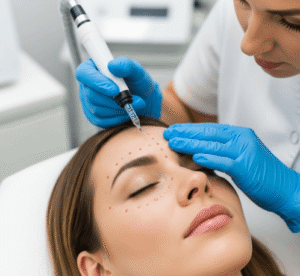
→ A handheld Nd:YAG laser delivers pulses (20–50 ms) directly over visible reticular veins.
→ Spot size: 3–6 mm, fluence adjusted to vessel diameter.
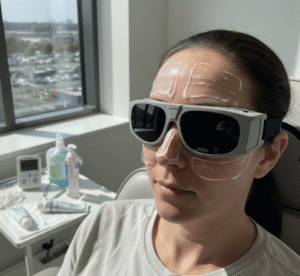
→ Integrated cooling systems (contact cooling, chilled air) protect the epidermis and reduce discomfort.
→ Treatment duration: 30–60 minutes depending on extent of veins.
→ Most patients need 1–3 sessions spaced 6–8 weeks apart.
→ In Korean clinics, Nd:YAG is often combined with sclerotherapy for larger feeder vessels to improve efficacy.
Recovery
→ Mild redness, swelling, or bruising may last 3–7 days.
→ Vessels may initially darken or harden before fading over 4–8 weeks.
→ Compression stockings may be recommended for 1–2 weeks post-treatment.
→ Patients typically resume normal activity immediately, but heavy exercise and sun exposure should be avoided for several days.
Complications
→ Hyperpigmentation or hypopigmentation, especially in darker skin tones.
→ Blistering or ulceration if energy is too high.
→ Pain during procedure, minimized with cooling systems.
→ Recurrence of veins if underlying venous insufficiency is not corrected.
Treatment Options in Korea
→ Korean vein clinics use Nd:YAG 1064 nm lasers extensively for cosmetic leg vein treatment.
→ Many centers combine Nd:YAG with sclerotherapy for optimal results: Nd:YAG for small-to-medium veins, sclerotherapy for larger ones.
→ Advanced dermatology hospitals in Seoul and Busan offer vascular mapping and multimodal vein programs, ensuring comprehensive care.
→ Compression therapy is emphasized post-treatment to reduce recurrence.
→ Korean patients often seek Nd:YAG laser as a non-invasive, scar-free, and downtime-minimal option for leg vein clearance.
→ With Korea’s advanced cosmetic and vascular care system, Nd:YAG laser therapy is considered a safe, effective, and aesthetic solution for reticular veins, especially when integrated with sclerotherapy and long-term lifestyle care.