What it is
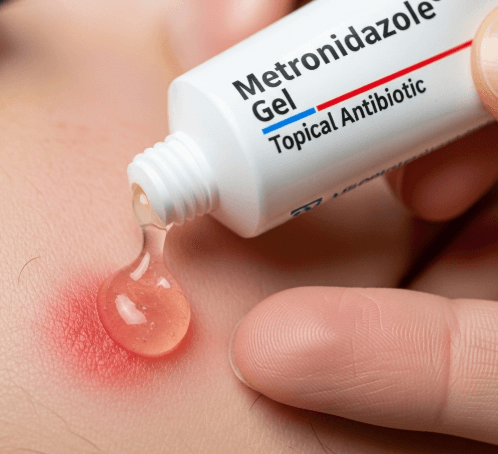
Metronidazole gel therapy in Korea is a topical dermatological treatment widely prescribed for rosacea management, particularly erythrotelangiectatic (ETR) and papulopustular (PPR) subtypes.
Metronidazole is an antimicrobial and anti-inflammatory agent. While it doesn’t kill Demodex mites directly, it reduces inflammation and suppresses the immune response that fuels redness, bumps, and sensitivity.
→ In Korea, dermatologists often prescribe metronidazole gel as a first-line therapy for mild-to-moderate rosacea, either alone or in combination with oral medications and vascular laser therapy.
• It is applied once or twice daily as a thin layer on affected areas.
• Korean clinics often integrate it into comprehensive skincare regimens, pairing it with calming and barrier-repair products.
Why it’s done
Patients in Korea use metronidazole gel therapy for multiple reasons:
→ Rosacea management → Reduces facial redness, papules, and pustules.
→ Anti-inflammatory action → Calms irritation and burning sensations associated with rosacea.
→ Maintenance therapy → Helps prevent flare-ups after stronger treatments like oral antibiotics or lasers.
→ Sensitive skin care → Well-suited for rosacea patients with easily irritated skin.
→ Aesthetic focus → Improves skin clarity, aligning with Korea’s emphasis on smooth, even-toned skin.
Alternatives
Other topical treatments for rosacea include:
• Ivermectin cream → Targets both inflammation and Demodex mites.
• Azelaic acid → Helps with redness and bumps but may sting sensitive skin.
• Sulfur-based creams → Effective for mite-related rosacea but can cause dryness and odor.
• Brimonidine or oxymetazoline gel → Temporarily reduce redness by constricting blood vessels.
→ Metronidazole gel remains a popular first-line option in Korea due to its proven safety, effectiveness, and tolerability.
Preparation
Before beginning metronidazole gel therapy in Korea, preparation ensures safe results:
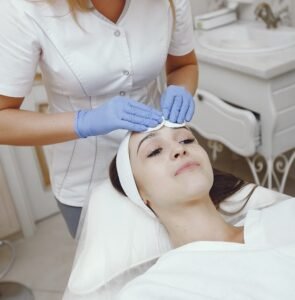
- Dermatology consultation → Confirms rosacea diagnosis and excludes acne or other conditions.
- Skin assessment → Evaluates sensitivity and previous product tolerance.
- Stop irritants → Retinoids, strong acids, and exfoliants are paused.
- Sun protection → Daily SPF 50+ is emphasized, as UV exposure worsens rosacea.
→ In Korean clinics, patients often start with a gentle skincare base before adding metronidazole gel.
How it’s done
Metronidazole gel therapy in Korea follows a simple but structured approach:
- Application frequency → Usually applied once or twice daily to affected facial areas.
- Amount → A thin layer, gently spread over inflamed skin without rubbing.
- Duration → Initial course lasts 8–12 weeks, with continued use for maintenance if needed.
- Combination care
- May be paired with oral doxycycline for moderate-to-severe cases.
- Often combined with vascular lasers (V-beam, IPL) to reduce redness.
- Supported by Korean soothing skincare—centella asiatica, panthenol, and ceramides.
→ Improvement is often seen within 3–4 weeks, with significant results by 8–12 weeks.
Recovery
Recovery while using metronidazole gel is steady and manageable:
• Short-term → Some mild dryness, itching, or tingling during the first week.
• Medium-term (4 weeks) → Visible reduction in bumps and redness.
• Long-term (8–12 weeks) → Improved skin clarity and fewer flare-ups.
→ Many Korean dermatologists recommend continued low-dose maintenance use to keep rosacea under control.
Complication
While generally safe, metronidazole gel therapy may have some side effects:
- Mild skin irritation → Dryness, stinging, or redness in sensitive patients.
- Contact dermatitis → Rare allergic reactions may occur.
- Incomplete control → Some patients may require ivermectin or oral medications for better results.
→ Korean clinics minimize risks by integrating calming, barrier-focused skincare with the gel.
Treatment option in Korea
Korea provides some of the most refined metronidazole gel therapy programs worldwide:
→ Dermatology expertise → Specialists tailor application frequency and combine therapy with lasers or oral medications.
→ Integrated skincare → Korean clinics often pair metronidazole with hydrating, anti-inflammatory products.
• Combination therapy → Frequently used alongside V-beam or IPL lasers for redness and oral doxycycline for inflammation.
• Patient compliance support → Clinics provide step-by-step guidance and aftercare kits for consistent results.
• Medical tourism → International patients often receive metronidazole therapy as part of Korean rosacea management packages.
→ With its proven safety and effectiveness, metronidazole gel therapy in Korea remains a cornerstone of rosacea treatment, offering clear, calm skin with minimal side effects.