What it is
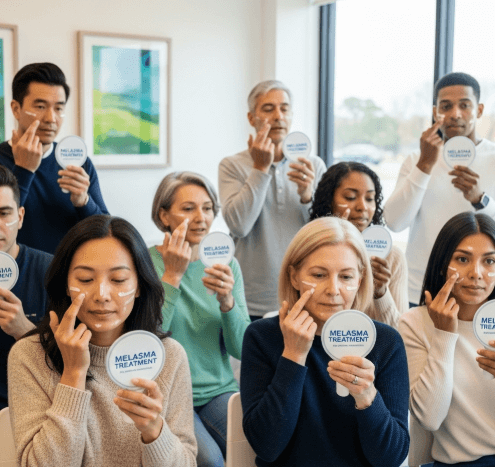
Melasma treatment refers to medical and cosmetic procedures aimed at reducing or eliminating melasma, a chronic skin condition characterized by dark, discolored patches (hyperpigmentation) usually on the face. It is most common in women, particularly those with medium to darker skin tones, and is strongly linked to hormonal changes, sun exposure, and genetics.
In Korea, melasma is treated with a multidisciplinary approach, combining dermatological treatments, advanced laser therapy, topical creams, and strict sun protection. Korean dermatology clinics are global leaders in pigmentation management, known for their innovative laser devices and tailored skincare protocols.
➡️ Common areas affected by melasma:
- Cheeks
- Forehead
- Nose bridge
- Upper lip
- Jawline
Why it’s done
Melasma treatments are performed for both aesthetic improvement and psychological well-being.
➡️ Medical reasons
- Reduce excess melanin deposits in the skin.
- Prevent melasma from worsening due to UV exposure or hormonal triggers.
- Manage recurrent pigmentation with long-term maintenance strategies.
➡️ Cosmetic reasons
- Restore even skin tone.
- Reduce the appearance of dark blotches for a more radiant complexion.
- Improve skin confidence, especially in cultures like Korea where clear, luminous skin is highly valued.
⚡ Since melasma is often recurrent, treatment is not just about removal but long-term control and maintenance.
Alternatives
While Korea is famous for advanced melasma treatments, there are several alternatives or complementary approaches:
➡️ Topical creams
- Hydroquinone (skin lightening agent).
- Retinoids (enhance cell turnover).
- Azelaic acid and kojic acid (mild depigmenting agents).
- Korean cosmeceuticals with niacinamide, licorice extract, centella asiatica.
➡️ Chemical peels
- Glycolic acid and TCA peels can reduce pigmentation gradually.
➡️ Oral medications
- Tranexamic acid (common in Korea for stubborn melasma).
➡️ Natural and preventive approaches
- Sunscreens (mandatory for all melasma patients).
- Antioxidant-rich diets (Vitamin C, green tea extract).
➡️ Non-Korean at-home devices
- LED therapy masks (red and near-infrared wavelengths).
💡 Korean dermatologists often combine topical therapy with advanced lasers for the best and safest results.
Preparation
Proper preparation is essential to avoid worsening pigmentation and to ensure the best results.
- Comprehensive consultation with a dermatologist to confirm diagnosis (melasma vs. other pigmentation like freckles or sunspots).
- Skin analysis imaging (common in Korean clinics) to measure melanin depth.
- Stop using strong exfoliants, retinoids, or whitening creams 1–2 weeks before professional treatment.
- Avoid tanning and prolonged sun exposure before therapy.
- Daily sunscreen use is mandatory.
- For oral or topical medications, patients may undergo allergy or tolerance testing first.
How it’s Done
Melasma treatment in Korea uses a layered, customized approach depending on severity, skin type, and lifestyle.
1. Topical Therapy
- Prescription creams with hydroquinone, retinoids, or mild steroids.
- Korean formulations often blend natural brightening ingredients with medical-grade actives.
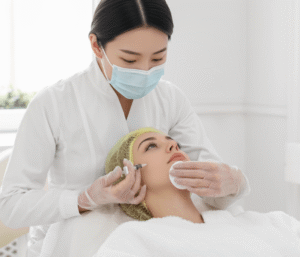
2. Laser and Light Therapies
- Q-switched Nd:YAG laser (low-fluence) → Gentle, repeated sessions to break down melanin.
- Picosecond lasers → Advanced option for faster results with minimal damage.
- Fractional lasers → Stimulate skin renewal and fade pigmentation.
- Intense Pulsed Light (IPL) → Sometimes used for superficial pigmentation.
3. Chemical Peels
- Light to medium peels with glycolic acid or TCA.
- Often alternated with laser sessions for comprehensive results.
4. Oral Treatments
- Tranexamic acid pills (widely used in Korea) to block melanin production.
5. Maintenance Phase
- Daily sunblock with SPF 50+.
- Skin barrier-strengthening treatments (hydrating facials, antioxidant serums).
➡️ Korean clinics often use a multi-step treatment package: lasers + peels + topical creams + oral therapy.
Recovery
Recovery from melasma treatment depends on the chosen method:
➡️ Topical therapy
- Minimal downtime, but results are gradual (weeks to months).
➡️ Laser therapy
- Redness or mild swelling for 1–3 days.
- Makeup can usually be applied after 24 hours.
➡️ Chemical peels
- Mild peeling and dryness for 3–5 days.
➡️ Combination therapy
- Some sensitivity, but downtime is minimized by using gentler, repeated sessions rather than aggressive treatments.
💡 Korean clinics often provide soothing facials, LED light therapy, and post-care kits to speed up recovery and maintain results.
Complications
While melasma treatments are generally safe, complications can occur if not properly managed:
- Post-inflammatory hyperpigmentation (PIH) – Darker patches may appear if treatment is too aggressive.
- Hypopigmentation – Light spots from over-treatment (rare with Korean low-fluence methods).
- Redness, peeling, or irritation from chemical peels or topical creams.
- Recurrence – Melasma is chronic and often returns without maintenance.
⚠️ Strict sun protection and professional guidance reduce these risks significantly.
Treatment Options in Korea
Korea is internationally recognized for its melasma treatment innovations:
➡️ Laser Toning with Q-switched Nd:YAG
- Gentle, repeated low-fluence sessions.
- Known as “Korean laser toning,” widely exported globally.
➡️ Picosecond Laser Treatment
- Breaks melanin into smaller particles with less heat.
- Fewer sessions, less risk of rebound pigmentation.
➡️ Oral Tranexamic Acid Therapy
- Standard in Korean melasma treatment for resistant cases.
➡️ Customized Melasma Packages
- Combination of laser + peel + topical + oral treatment.
- Tailored to each patient’s pigmentation depth.
➡️ Cosmeceutical Support
- Korean skincare brands offer prescription-strength whitening serums with niacinamide, arbutin, licorice extract, often used alongside professional treatments.
➡️ Medical Tourism Programs
- Many Seoul and Busan clinics offer English-speaking services, recovery lounges, and travel packages for international melasma patients.
Why Choose Korea for Melasma Treatment?
- Pioneers in pigmentation management – Korean dermatologists developed the world-renowned laser toning technique.
- Latest technology – Access to advanced picosecond and fractional lasers.
- Holistic approach – Combination of medical, cosmetic, and lifestyle therapy.
- Affordable costs – Compared to the West, Korean treatments are more cost-effective.
- Cosmetic culture – Clinics focus not only on removal but on achieving the bright, even-toned “glass skin” look.