Safe and Gentle Approaches for Pigmentation During Motherhood
What it is
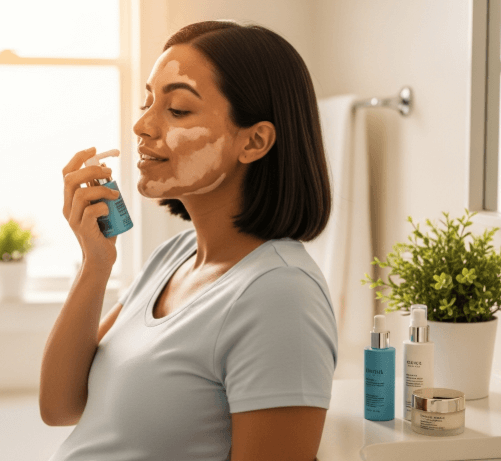
Melasma is a common skin condition that causes dark, irregular patches of pigmentation, usually on the face — particularly the cheeks, forehead, upper lip, and nose. It is often called the “mask of pregnancy” because it frequently develops in pregnant women due to hormonal changes.
→ During pregnancy, increased estrogen and progesterone levels stimulate melanocytes (pigment-producing cells), leading to excessive melanin formation.
➝ Melasma is not dangerous, but it can be cosmetically distressing, especially when the patches darken in the sun.
➔ Pregnancy-safe melasma care focuses on gentle, non-toxic treatments that protect maternal and fetal health while controlling pigmentation.
Why it’s done
Melasma during pregnancy can be challenging, but care is important for several reasons:
- Aesthetic comfort ⇒ Melasma does not affect health but can lower self-confidence and emotional well-being.
- Hormonal triggers ⇒ Pregnancy hormones make melasma more persistent, requiring careful management.
- Sun sensitivity ➳ Increased UV exposure during pregnancy worsens pigmentation.
- Preventing worsening ➟ Without safe care, melasma can deepen and become harder to treat postpartum.
The goal of pregnancy-safe melasma care is to minimize pigmentation, reduce emotional stress, and maintain healthy skin without harming the baby.
Alternatives
Since strong chemical treatments are not recommended during pregnancy, alternatives include:
→ Physical sun protection: Broad-brimmed hats ; sunglasses ; avoiding midday sun exposure.
➝ Mineral sunscreens: Zinc oxide or titanium dioxide-based sunscreens, safe for pregnancy.
➔ Natural remedies: Mild brightening agents such as aloe vera ; turmeric masks (low concentration) ; or rosehip oil.
⇒ Post-pregnancy treatments: Some women choose to delay strong therapies like hydroquinone or laser treatment until after delivery and breastfeeding.
➟ Makeup and concealers: Safe mineral-based cosmetics help cover melasma without irritation.
Preparation
Before starting pregnancy-safe melasma care:
➳ Consult a dermatologist: To confirm melasma diagnosis and rule out other pigmentation issues.
➝ Review skincare ingredients: Retinoids ; hydroquinone ; high-dose salicylic acid ; and chemical bleaching agents must be avoided.
→ Select safe alternatives: Vitamin C serums, niacinamide, azelaic acid (at safe concentrations), and mineral sunscreens are preferred.
➟ Patch test new products: Even safe ingredients can cause irritation during pregnancy due to skin sensitivity.
➔ Lifestyle preparation: Commit to daily sunscreen application, hydration, and a balanced diet rich in antioxidants (like vitamin E and C).
How it’s Done
Pregnancy-safe melasma care combines daily routines and clinic-based supportive treatments.
Daily Home Routine
→ Gentle Cleansing: Use mild, fragrance-free cleansers that don’t strip the skin.
➝ Hydration: Apply moisturizers with hyaluronic acid, ceramides, or shea butter.
➔ Sun Protection: Use mineral sunscreens with zinc oxide ; apply every 2–3 hours outdoors.
⇒ Brightening Serums: Safe ingredients include niacinamide, vitamin C, and azelaic acid (10% or lower).
➟ Antioxidant Care: Products with green tea extract or chamomile help calm inflammation and reduce pigmentation.
Clinic-Based Treatments in Korea
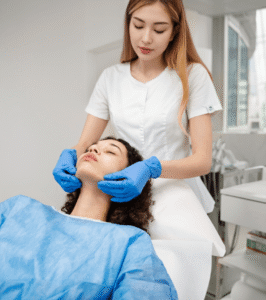
→ Hydration Facials: Korean clinics provide gentle facials focused on moisture balance, which helps lighten pigmentation indirectly.
➝ Oxygen Therapy: Improves skin oxygenation and cellular renewal, reducing dullness without chemicals.
➔ Low-Intensity LED Therapy: Red and near-infrared lights are sometimes used for calming skin and reducing pigmentation safely.
➟ Mild Enzyme Peels: Fruit-based enzyme treatments (like papaya or pumpkin) are sometimes offered under supervision.
Recovery
Melasma care during pregnancy is long-term and ongoing. Unlike acne treatments that may show faster results, pigmentation management is gradual.
→ Improvement usually takes several weeks to months.
➝ Daily sunscreen application is essential — without it, melasma often returns quickly.
➔ Any professional treatment done during pregnancy typically has no downtime and recovery is immediate.
➟ After delivery, some melasma patches may naturally fade as hormone levels stabilize, but others can persist and require additional care.
Complication
While pregnancy-safe melasma care is gentle, some concerns exist:
→ Persistent pigmentation: Some melasma does not fully lighten during pregnancy.
➝ Skin sensitivity: Even mild vitamin C or azelaic acid can cause irritation in some women.
➔ Emotional distress: Ongoing pigmentation may cause self-consciousness, especially if it deepens despite care.
⇒ Sun exposure: Without consistent sunscreen, melasma can worsen significantly.
Treatment option in Korea
South Korea offers some of the most advanced and pregnancy-conscious skincare treatments in the world.
→ Pregnancy-Safe Dermatology Clinics: Many clinics in Seoul, Daegu, and Busan specialize in treating pigmentation issues for pregnant women, focusing on gentle facials and LED therapies.
➝ K-Beauty Products: Korean skincare brands like COSRX ; Innisfree ; Etude ; and Dr. Jart+ have safe lines with niacinamide, centella asiatica, and vitamin C derivatives, designed for sensitive pregnancy skin.
➔ Customized Skin Programs: Korean dermatologists often combine hydration therapy, safe brightening serums, and LED sessions into structured programs tailored to each patient.
➟ Postpartum Care Packages: Clinics also offer melasma-targeted packages after pregnancy, using laser and chemical peel therapies once they are safe again.
⇒ Hospital Partnerships: Some maternity hospitals partner with dermatologists to provide pregnancy-safe pigmentation care as part of prenatal wellness.