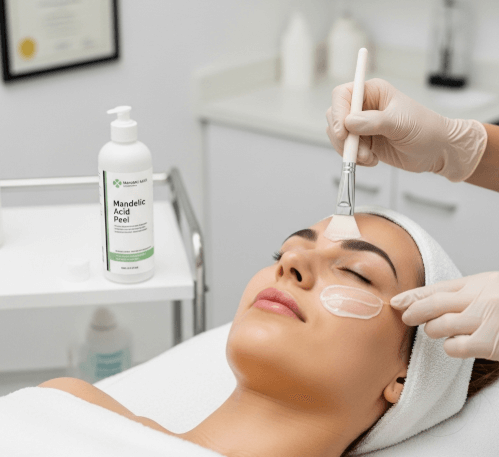
What it is
→ A mandelic acid peel is a type of alpha-hydroxy acid (AHA) chemical peel derived from bitter almonds.
→ It is known as one of the gentlest chemical peels, with a larger molecular structure than glycolic or lactic acid, which means it penetrates the skin more slowly and causes less irritation.
→ Mandelic acid works by exfoliating the outer layer of the skin, reducing pigmentation, and stimulating cell turnover, while also having antibacterial properties that benefit acne-prone skin.
→ In Korea, mandelic acid peels are especially popular for patients with sensitive skin, rosacea, darker skin types (Fitzpatrick IV–VI), and those prone to post-inflammatory hyperpigmentation (PIH).
Why it’s done
→ A mandelic acid peel is performed to:
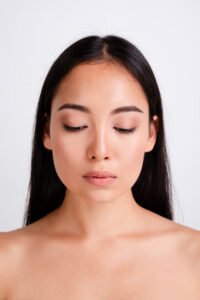
- Brighten dull skin and even out skin tone.
- Treat melasma and hyperpigmentation safely in sensitive skin types.
- Reduce acne and clogged pores due to antibacterial action.
- Improve post-acne marks and PIH.
- Smooth fine lines and rough texture.
- Support anti-aging by stimulating collagen production.
→ It is often chosen by patients who need a gentle peel with minimal downtime and a low risk of pigmentation issues.
Alternatives
→ Alternatives to mandelic acid peel include:
- Lactic acid peel → gentle, hydrating, suitable for dry or sensitive skin.
- Glycolic acid peel → stronger exfoliation, more effective for wrinkles and sun damage but more irritating.
- Salicylic acid peel → best for oily and acne-prone skin.
- Jessner’s peel → combination peel for acne and pigmentation.
- PRX-T33 biorevitalization → no visible peeling, collagen stimulation.
- Laser toning → alternative for melasma and deeper pigmentation.
→ Compared to these, mandelic acid peel is gentle yet effective, particularly for sensitive or darker skin tones.
Preparation
→ Before undergoing a mandelic acid peel:
- Avoid sun exposure and tanning for at least 1–2 weeks.
- Stop retinoids, AHAs, BHAs, and strong exfoliants for 5–7 days.
- Discontinue waxing, shaving, or hair removal in the area for at least 3–5 days.
- Keep skin moisturized in the days before.
- Consult a dermatologist if you have eczema, rosacea, or a history of allergies.
→ Korean clinics often recommend pre-conditioning with mild brightening products to stabilize skin before the peel.
How it’s Done
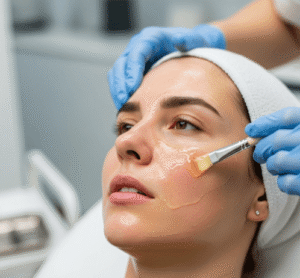
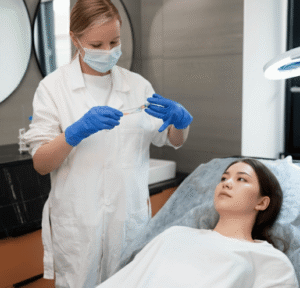
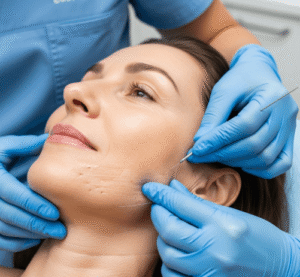
→ A mandelic acid peel procedure includes:
- Cleansing → the skin is thoroughly cleaned.
- Application of mandelic acid solution (usually 20–40%).
- Controlled exposure time → left on for 5–15 minutes, depending on tolerance and skin type.
- Neutralization → peel is neutralized with a special solution or rinsed with water.
- Soothing and hydration → calming mask, serum, and sunscreen applied.
→ Duration → 20–30 minutes.
→ Course → 4–6 sessions spaced 2–4 weeks apart for best results.
Recovery
→ Recovery after a mandelic acid peel is usually very mild:
- Immediately → slight redness or tightness.
- 1–3 days → mild flaking or peeling in some cases.
- 1 week onward → skin appears brighter, smoother, and more even-toned.
→ Aftercare instructions include:
- Use gentle cleansers and moisturizers.
- Apply soothing creams (cica, panthenol, or aloe vera).
- Avoid harsh skincare (retinoids, acids, scrubs) for at least 5–7 days.
- Use SPF 50+ sunscreen daily to protect new skin.
→ Most patients resume daily activities immediately.
Complications
→ Mandelic acid peel is one of the safest peels, but possible side effects include:
- Temporary redness, dryness, or tingling.
- Mild peeling or flaking.
- Post-inflammatory hyperpigmentation (PIH) if sun protection is neglected (rare compared to other peels).
- Allergic reaction (rare).
→ Risks are minimized when performed in professional Korean dermatology clinics.
Treatment options in Korea
→ Korea offers some of the most advanced and gentle protocols for mandelic acid peels, particularly for pigmentation and sensitive skin:
- Customized peel concentrations → tailored for skin type and concern (20–40%).
- Combination therapy → often paired with tranexamic acid serums, laser toning, or microneedling for enhanced results.
- Hydration-focused aftercare → Korean clinics emphasize layering soothing gels, sheet masks, and LED therapy post-peel.
- Safe for Asian and darker skin types → protocols reduce risk of rebound pigmentation.
- Medical tourism services → clinics provide English-speaking staff and post-care kits for international patients.
- Integrated skin programs → mandelic peels are often part of brightening or acne-scar treatment packages.
→ With expert customization, advanced aftercare, and proven safety for sensitive skin, Korea is one of the best destinations for mandelic acid peel treatments.