What it is
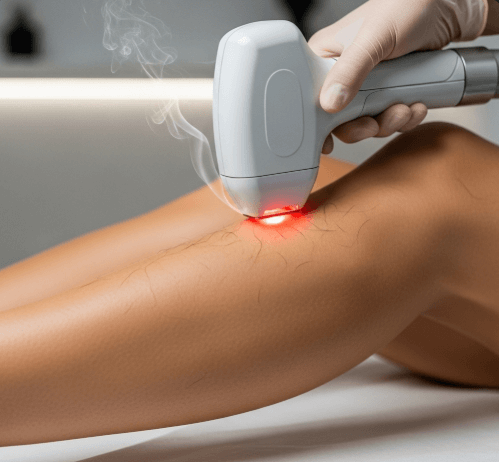
→ Laser hair removal is a cosmetic dermatology procedure that uses concentrated beams of light (laser energy) to target and destroy hair follicles, preventing or reducing future hair growth.
→ The laser emits a wavelength absorbed by the melanin pigment in hair. The heat generated damages the follicle, delaying or stopping regrowth.
→ It is most effective on dark, coarse hair, but modern devices also allow treatment of finer and lighter hair types.
→ Commonly treated areas include the face, underarms, arms, legs, bikini line, chest, and back.
→ In Korea, laser hair removal is highly popular due to its combination of advanced technology, precision, and emphasis on smooth, clear skin aesthetics.
Why it’s done
→ Laser hair removal is performed for both cosmetic and medical reasons:
- Cosmetic benefits → long-term reduction of unwanted hair, smoother skin, and freedom from shaving or waxing.
- Medical benefits → reduces risks of ingrown hairs, folliculitis, and skin irritation caused by traditional hair removal methods.
- Convenience → fewer sessions over time compared to repeated waxing or shaving.
- Confidence → patients often feel more comfortable with reduced or eliminated hair in visible areas.
→ It is especially useful for patients with sensitive skin prone to shaving irritation or those seeking permanent grooming solutions.
Alternatives
→ Alternatives to laser hair removal include:
- Shaving → quick but temporary; hair grows back in days.
- Waxing or sugaring → longer results (3–4 weeks) but painful and may cause ingrown hairs.
- Depilatory creams → chemical removal of surface hair; may irritate skin.
- Electrolysis → permanent removal by destroying follicles with electric current; effective but slower and more painful.
- Threading or plucking → suitable only for small areas like eyebrows.
→ While these methods work, laser hair removal is considered the most efficient long-term solution.
Preparation
→ Proper preparation improves safety and results:
- Avoid tanning → no sunbathing or self-tanners for 2–4 weeks before treatment.
- Shave the area → 24–48 hours before the session (hair should not be long above the skin).
- Avoid waxing, plucking, or threading → for at least 4 weeks, as the follicle must remain intact for laser targeting.
- Stop harsh skincare → discontinue retinoids, acids, or exfoliants in the treatment area for several days.
- Clean skin → no lotions, makeup, sunscreen, or deodorant before the session.
- Medical disclosure → inform the provider of medications (e.g., isotretinoin, antibiotics) that may increase sensitivity.
How it’s Done
→ A session of laser hair removal follows these steps:
- Cleansing → the area is cleaned, and protective eyewear is provided.
- Cooling or numbing → a cooling gel or device may be applied for comfort.
- Laser application → the device delivers pulses of light to the targeted area.
- Duration → small areas (upper lip, underarms) take a few minutes; larger areas (legs, back) can take up to an hour.
- Post-treatment care → cooling pads or soothing creams are applied to minimize redness.
→ Typically, 6–8 sessions spaced 4–8 weeks apart are needed for optimal results, since hair grows in cycles and the laser is most effective during the active growth phase.
Recovery
→ Recovery is usually mild and short:
- Immediate effects → redness, swelling, or warmth in treated areas (similar to mild sunburn).
- 1–3 days → skin returns to normal with proper aftercare.
- Long-term → gradual reduction in hair thickness and density after multiple sessions.
→ Patients are advised to:
- Apply cold compresses or soothing gels (like aloe vera).
- Avoid hot showers, saunas, or exercise for 24–48 hours.
- Use broad-spectrum sunscreen on exposed areas daily.
- Do not wax or pluck hairs between sessions; only shaving is allowed.
→ Most patients return to normal activities immediately.
Complications
→ While generally safe, possible side effects include:
- Temporary redness, swelling, or discomfort.
- Pigmentation changes → hyperpigmentation or hypopigmentation, especially in darker skin tones.
- Blistering or crusting (rare, usually from overly aggressive settings).
- Scarring (very rare, with unskilled application).
- Paradoxical hypertrichosis → rare condition where fine hair in nearby areas grows thicker after laser.
→ Choosing a skilled dermatologist and proper device settings greatly reduces risks.
Treatment options in Korea
→ Korea is one of the most advanced countries for laser hair removal technology and aesthetic expertise:
- Cutting-edge devices → clinics widely use FDA-approved lasers (Alexandrite, Nd:YAG, diode, and SHR systems) suited for different skin and hair types.
- Personalized protocols → dermatologists customize wavelength, energy, and session frequency for optimal results.
- Pain-minimization → many Korean clinics use cooling devices or numbing techniques to make the procedure comfortable.
- Aesthetic culture → smooth, hair-free skin is a beauty standard in Korea, making treatments popular for both women and men.
- Combination care → treatments often include skin whitening or rejuvenation add-ons for overall improvement in texture and tone.
- Safety focus → Korean dermatology clinics emphasize strict hygiene, medical oversight, and post-care regimens.
- Medical tourism → Seoul and Busan clinics offer English-speaking staff and international patient programs.
→ With advanced devices, skilled practitioners, and a strong cosmetic culture, Korea is one of the best places in the world for laser hair removal.