What It Is
Defining Laser Treatment for Redness in Scars
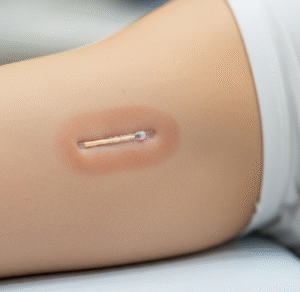
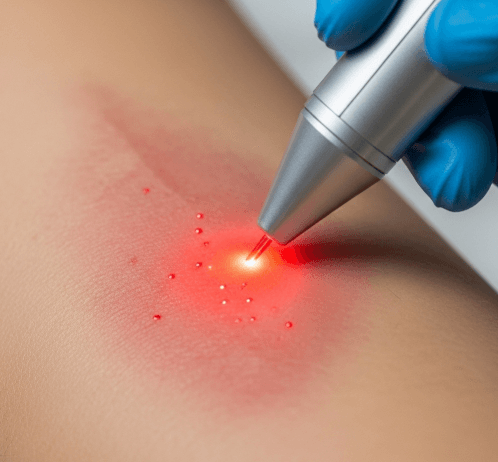
→ Laser therapy for redness in scars is a dermatological procedure that uses focused light energy to target and reduce the visible redness of scars.
→ The redness is usually caused by dilated blood vessels and increased vascular activity in the scar tissue.
→ In Korea, advanced laser systems such as Pulsed-Dye Laser (PDL), Nd:YAG Laser, and Fractional Lasers are widely used to improve both the color and texture of scars.
Key Characteristics
- Specifically addresses redness and discoloration in scars
- Works by closing tiny blood vessels and reducing inflammation
- Non-invasive with minimal downtime
- Effective for surgical scars, acne scars, hypertrophic scars, and burn scars
Why It’s Done
Main Reasons for Treatment
➡ Cosmetic Improvement – Redness often makes scars more visible; laser therapy helps blend scars with surrounding skin.
➡ Vascular Regulation – By shrinking abnormal blood vessels, redness and swelling decrease.
➡ Symptom Relief – Some red scars cause itching, warmth, or tenderness, which can be alleviated.
➡ Boost in Confidence – Reducing scar redness leads to improved self-image and emotional well-being.
➡ Complementary Role – Laser is often used alongside injections or silicone treatments for comprehensive scar care.
Alternatives
Non-Medical Options
- Camouflage Makeup → Covers redness temporarily without therapeutic effect.
- Topical Creams (Vitamin K, Niacinamide) → May slightly reduce redness but with limited impact on deep vessels.
Medical Alternatives
→ Other treatment methods include:
- Steroid Injections → Reduce thickness but less effective on redness
- 5-FU or Botulinum Injections → Target fibroblasts more than vascular activity
- Cryotherapy → Flattens scars but does not primarily address redness
- Radiation Therapy → Reserved for severe keloids, not routine redness
Preparation
Before Treatment
➡ Dermatology Consultation – A skin specialist examines scar type, depth, and age.
➡ Medical History – Patients should disclose prior laser treatments, skin sensitivity, or photosensitivity issues.
➡ Avoid Sun Exposure – Tanned or sunburned skin increases risks of pigmentation changes.
➡ Discontinue Certain Products – Retinoids, exfoliants, or strong acids may need to be stopped before sessions.
➡ Numbing Cream – Applied before the procedure to reduce discomfort.
How It’s Done
The Laser Procedure
Step 1: Cleansing
→ The skin is cleaned to remove oil, dirt, or makeup.
Step 2: Numbing
→ A topical anesthetic cream may be applied 20–30 minutes prior.
Step 3: Laser Application
→ The dermatologist selects the appropriate wavelength and settings:
- Pulsed-Dye Laser (PDL) → Targets blood vessels and reduces redness
- Nd:YAG Laser → Penetrates deeper vascular lesions
- Fractional Laser → Improves both redness and skin texture
→ The laser is passed over the scar area, delivering controlled bursts of energy.
Step 4: Cooling
→ Cooling devices or gels are applied during and after the procedure to minimize heat and swelling.
Step 5: Aftercare
→ Patients may be advised to apply soothing creams and avoid sun exposure.
Treatment Course
- Usually requires 3–6 sessions, spaced 4–6 weeks apart
- Results are progressive, with redness fading gradually after each session
Recovery
Immediate Recovery
- Redness and Swelling → Mild and typically subsides within a few hours to 2 days
- Sensation of Warmth → Common but temporary
- Minor Bruising → Sometimes occurs, especially with PDL treatment
Long-Term Recovery
→ Noticeable reduction in redness is often visible after the first few sessions.
→ Skin tone becomes more even, smoother, and closer to natural color.
→ Patients are advised to use SPF, gentle cleansers, and moisturizers for several months post-treatment.
Complications
Possible Risks
- Hyperpigmentation or Hypopigmentation → Temporary changes in skin color, especially in darker tones
- Bruising or Blistering → Rare, usually resolves in days
- Scarring → Extremely rare with skilled practitioners
- Sensitivity to Sunlight → Skin may remain delicate for weeks after treatment
Treatment Options in Korea
Advanced Laser Technology
South Korea is internationally recognized for its cutting-edge dermatology clinics equipped with the latest laser systems.
Why Korea Excels in Laser Scar Redness Care
➡ State-of-the-art lasers like PDL, Nd:YAG, and fractional systems available in most major clinics
➡ Highly experienced dermatologists with expertise in scar management
➡ Combination therapy focus – laser treatment is often paired with injections, silicone therapy, or microneedling
➡ Cosmetic Precision – Emphasis on both medical effectiveness and aesthetic results
Popular Uses in Korea
- Post-Surgical Scars → Especially after plastic surgery procedures like rhinoplasty or facelifts
- Acne Scars → Red marks left after severe acne are a frequent target of laser care
- Burn Scars → Laser therapy helps lighten persistent red burn marks
- Hypertrophic Scars → Used in combination with injections for better cosmetic outcomes
Patient Experience in Korea
- Treatments are typically outpatient-based, quick, and minimally painful
- Clinics often provide numbing creams and cooling devices to ensure comfort
- Follow-up care includes specialized scar creams and sunscreens provided by the clinic
- Patients benefit from personalized programs with progress tracking across multiple sessions
Conclusion
Laser therapy for redness in scars in Korea is a highly effective, advanced treatment that significantly reduces scar visibility.
By targeting blood vessels and improving vascular regulation, it helps scars blend more naturally with the surrounding skin.
Korean dermatology clinics lead the way with state-of-the-art lasers, expert physicians, and combination-based approaches. Patients seeking improvement for red scars—whether from surgery, acne, or injury—can expect safe, precise, and cosmetically satisfying results in Korea.