What it is
➝ Keloids are abnormal, excessive growths of scar tissue that extend beyond the original wound borders due to overproduction of collagen.
➝ They present as firm, raised, often itchy or painful scars and may continue to enlarge over time.
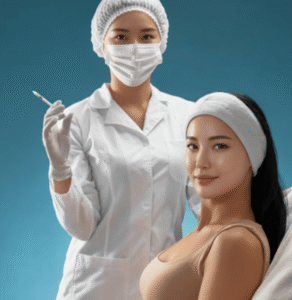
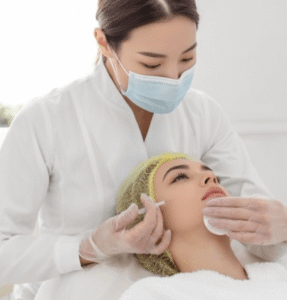
➝ Intralesional corticosteroid injections are the most widely used first-line therapy. The most common agent is triamcinolone acetonide (TAC), injected directly into the keloid to reduce fibroblast activity, collagen synthesis, and inflammation.
➝ In Korea, this therapy is routinely performed in dermatology, plastic surgery, and scar specialty clinics, often combined with laser or silicone therapy.
Why it’s done
→ To reduce scar thickness, redness, and hardness.
→ To relieve itching, pain, and tenderness in active keloids.
→ To prevent further growth and spread of keloids.
→ To improve cosmetic appearance and quality of life.
→ In Korea, intralesional steroid injections are considered a core part of multidisciplinary scar management.
Alternatives
→ Silicone dressings or gels: Non-invasive, used for prevention and mild keloids.
→ Cryotherapy: Freezing with liquid nitrogen, often combined with steroids.
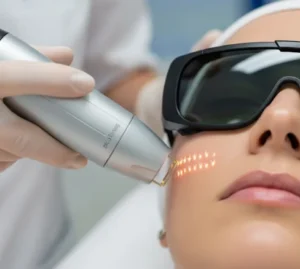
→ Laser therapy: Pulsed dye laser (PDL) or fractional CO₂ for redness and texture.
→ Surgical excision: High recurrence unless combined with adjuvant therapy.
→ Radiation therapy: Sometimes after excision for resistant keloids.
→ Other intralesional therapies: 5-FU, bleomycin, verapamil.
Preparation
→ Evaluate keloid size, location, and symptoms.
→ Explain the procedure and set expectations (multiple sessions usually required).
→ Cleanse area with antiseptic before injection.
→ In Korea, many clinics use topical anesthetic creams or local lidocaine to minimize injection pain.
How it’s Done
→ Drug and dose: Triamcinolone acetonide (TAC) 10–40 mg/mL, depending on lesion thickness and site.
→ Injection technique: Fine needle (30G) used to inject into the dermis of the keloid, not too deep to avoid fat atrophy. Multiple small injections are made evenly throughout the lesion.
→ Interval: Repeated every 3–6 weeks, typically for 3–6 sessions or until satisfactory flattening.
→ Combination therapy: Often paired with cryotherapy, laser, or silicone dressings in Korean clinics for better results.
Recovery
→ Keloid may soften within 2–3 weeks after first injection.
→ Noticeable flattening and symptom relief often occur after 2–4 sessions.
→ Final cosmetic improvement may require several months.
→ Patients often report reduced itching and pain, along with better flexibility in affected skin.
Complications
→ Skin atrophy at injection site if dose is too high or injected too deeply.
→ Hypopigmentation or telangiectasia in treated area.
→ Recurrence: Keloids have high recurrence rates, especially if treated with steroids alone.
→ Pain during injection, though minimized with anesthetic techniques.
Treatment Options in Korea
→ Korean dermatology and plastic surgery clinics use intralesional TAC as a first-line treatment for keloids.
→ Combination therapy is common:
- Steroid + cryotherapy: Effective in reducing bulk and redness.
- Steroid + PDL laser: Targets vascularity and texture.
- Steroid + silicone dressing: Helps maintain results and prevent recurrence.
→ Some advanced centers in Korea also use steroid + 5-FU combination injections for resistant keloids.
→ Recurrence prevention is emphasized with long-term silicone dressing use and patient education.
→ With Korea’s focus on scar aesthetics, intralesional steroid therapy is part of multimodal scar clinics, ensuring patients receive both medical and cosmetic improvement.