What it is
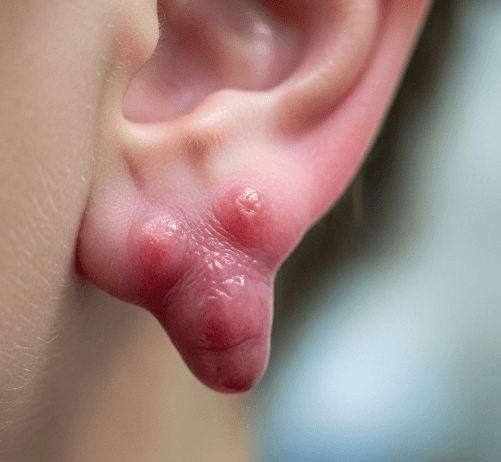
Keloid earlobe control in Korea refers to the prevention and treatment of keloids—raised, thick, scar-like tissue that forms after ear piercings, injuries, or earlobe surgeries.
Keloids occur when the body produces too much collagen during wound healing, causing scar tissue to extend beyond the original injury site. They are more common on the earlobes than other areas due to frequent piercings and skin tension.
→ In Korea, keloid earlobe control combines dermatological, surgical, and laser therapies, often integrated with advanced scar management systems.
• The goal is to reduce scar bulk, flatten the tissue, and prevent recurrence.
• Korean clinics emphasize minimally invasive methods with careful aftercare to maintain cosmetic results.
Why it’s done
Patients in Korea seek keloid earlobe control because:
→ Aesthetic concerns → Keloids are often large, noticeable, and disrupt ear symmetry.
→ Physical discomfort → They may cause itching, pain, or tenderness.
→ Piercing complications → Many keloids develop after piercings, especially in cartilage areas.
→ Recurrence risk → Keloids often grow back if not properly managed.
→ Confidence restoration → Correcting keloids improves both appearance and comfort.
Alternatives
Some alternatives for managing earlobe keloids include:
• Silicone gel or sheets → Applied to flatten and soften scars gradually.
• Pressure earrings → Special clips that apply constant pressure to reduce keloid size.
• Cryotherapy → Freezing small keloids to reduce bulk.
→ These methods help mild cases, but Korean clinics usually combine multiple treatments for better control.
Preparation
Before undergoing keloid earlobe treatment in Korea, preparation includes:
- Dermatology or plastic surgery consultation → To assess keloid size, thickness, and recurrence history.
- Medical review → Family history of keloids, previous treatments, and allergies.
- Treatment planning → Combination of injections, surgery, or lasers may be recommended.
- Skin care adjustments → Avoid irritants (retinoids, acids) before procedures.
- Patient education → Counseling on the high recurrence risk and importance of follow-up care.
How it’s done
Keloid earlobe control in Korea usually involves a combination of methods:
- Steroid injections (Triamcinolone)
- Flatten keloids and reduce itching/pain.
- Performed every 4–6 weeks until improvement.
- Surgical removal
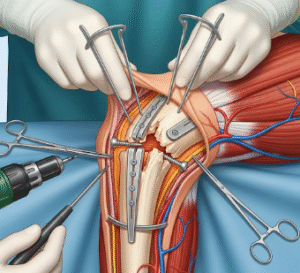
- Excision of large keloids.
- Often combined with injections or radiation to prevent regrowth.
- Laser therapy
- Fractional CO₂ or pulsed dye lasers reduce thickness and redness.
- Improves scar texture over time.
- Pressure therapy
- Custom-made pressure earrings worn for several months post-surgery.
- Adjunctive treatments
- Cryotherapy, silicone gel, or radiation therapy for resistant cases.
→ Sessions are often repeated for 3–12 months, depending on severity.
Recovery
Recovery after keloid treatment in Korea varies by method:
• Injections → Mild soreness for 1–2 days.
• Surgery → Healing within 1–2 weeks, with scar care continuing for months.
• Laser therapy → Redness and sensitivity for 2–3 days.
• Pressure therapy → Discomfort at first, but essential for long-term results.
→ Patients return to daily life quickly but must follow strict aftercare routines to prevent recurrence.
Complication
Even with advanced care, keloid treatment risks include:
- Recurrence → Keloids can regrow, often larger if not managed correctly.
- Pigmentation changes → Darkening or lightening of skin at the treatment site.
- Scarring → Hypertrophic (raised but smaller) scars may replace the keloid.
- Infection → Rare, especially if surgery is involved.
→ Korean specialists reduce risks by customizing treatments and combining therapies.
Treatment option in Korea
Korea offers some of the most advanced and structured keloid earlobe programs:
→ Dermatology excellence → Specialists in Seoul, Busan, and Daegu use multi-step protocols for scar control.
→ Combination therapy → Most clinics combine surgery, steroid injections, and pressure therapy to minimize recurrence.
• Laser technology → Fractional CO₂ and pulsed dye lasers are widely used to smooth and lighten scars.
• Preventive care → Silicone gels, custom pressure earrings, and long-term monitoring are standard.
• Medical tourism → International patients often seek Korean keloid care due to the country’s reputation for scar management expertise.
→ With advanced technology and a holistic approach, Korea provides some of the best outcomes worldwide for keloid earlobe control, balancing cosmetic refinement with recurrence prevention.