What it is
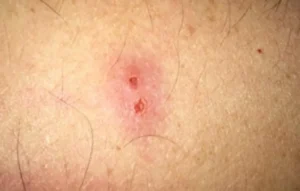
Hypopigmentation aftercare in Korea refers to the specialized treatment and skincare routine followed when the skin develops lighter patches after tattoo removal, laser treatments, or other cosmetic procedures.
Hypopigmentation occurs when melanin production decreases in the treated area, leaving the skin lighter than the surrounding tone. It is usually temporary, but in some cases, it can last longer or become permanent if not managed properly.
→ In Korea, where dermatology and skin science are highly advanced, aftercare focuses on protecting the skin, promoting regeneration, and stimulating melanin production while preventing further damage.
• Hypopigmentation is more common in darker skin tones or when aftercare is neglected.
• Korean clinics emphasize a holistic approach that combines skincare products, dermatological treatments, and lifestyle adjustments.
Why it’s done
Aftercare for hypopigmentation is important for several reasons:
→ Skin balance: To restore even skin tone and reduce visible light patches.
→ Prevention of worsening: Without care, patches may expand or take longer to heal.
→ Confidence and aesthetics: Uneven skin tone can affect appearance and self-esteem.
→ Support natural healing: Proper aftercare encourages melanin cells to recover.
→ Reduce risks of scarring: Ensures the treated skin heals smoothly without textural damage.
Alternatives
If hypopigmentation persists, there are alternative methods to consider:
• Camouflage makeup → Temporary coverage with concealers or specialized pigments.
• Micropigmentation → Semi-permanent tattooing to match skin tone; used in resistant cases.
• Chemical peels → Stimulate skin regeneration, but only suitable under dermatologist guidance.
• Phototherapy → Controlled UV light exposure to stimulate melanocyte activity.
→ While these options exist, aftercare routines in Korea are the first line of defense to minimize and correct hypopigmentation naturally.
Preparation
Before starting hypopigmentation aftercare, preparation ensures safety and effectiveness:
- Dermatologist consultation → Korean specialists analyze the affected area to determine severity and cause.
- Skin protection → Patients are advised to avoid direct sun exposure before beginning treatment.
- Patch testing → Skincare products or topical treatments may be tested to avoid irritation.
- Lifestyle adjustments → Discontinue harsh skincare products, like strong acids or retinoids, until the skin stabilizes.
→ Clinics in Korea often recommend gentle skincare and sun protection immediately, even before advanced treatments are considered.
How it’s done
Hypopigmentation aftercare in Korea usually follows a structured process combining home care and clinical treatments:
- Daily sun protection → Broad-spectrum SPF 50+ sunscreen is applied every day, as UV exposure worsens uneven pigmentation.
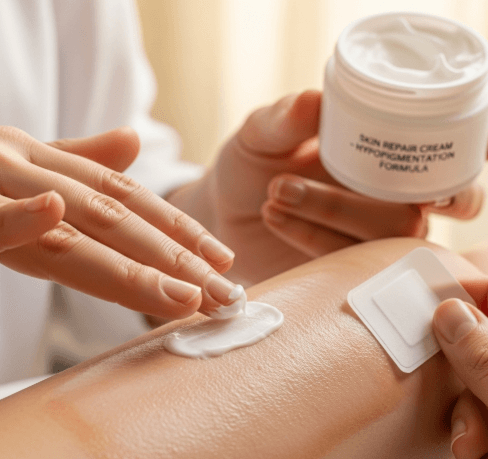
- Moisturization → Using creams with ceramides, hyaluronic acid, and centella asiatica to maintain skin barrier health.
- Topical treatments → Dermatologists may prescribe tacrolimus ointments, vitamin D creams, or melanin-boosting agents.
- In-clinic procedures:
- Fractional laser therapy → Stimulates skin regeneration and encourages melanocyte activity.
- Microneedling with growth factors → Promotes pigment cell migration and skin healing.
- Phototherapy (excimer laser or narrowband UVB) → Controlled light therapy to stimulate pigment production.
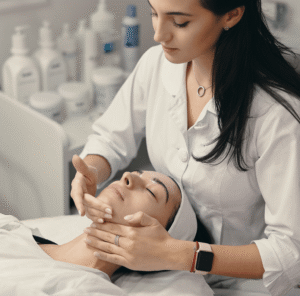
- Healing boosters → LED light therapy, soothing masks, and regenerative serums are often offered in Korean clinics.
→ Treatments are spaced every 4–6 weeks, depending on skin response.
Recovery
With consistent aftercare for hypopigmentation in Korea, skin tone can improve gradually:
• Short-term (1–2 weeks) → Redness and sensitivity from treatments subside with soothing products.
• Medium-term (1–3 months) → Pigment cells may begin to repopulate, and lighter patches start blending.
• Long-term (3–6 months) → Noticeable improvement in skin tone uniformity if protocols are followed.
→ Patience is key, as hypopigmentation recovery is slower compared to other skin conditions.
Complication
If hypopigmentation aftercare is not properly followed, complications may arise:
- Permanent light patches → Without intervention, some areas may not regain pigment.
- Increased contrast → Neglecting sun protection may darken surrounding skin, making patches look more obvious.
- Scarring → Improper aftercare, especially picking or scratching, can lead to permanent texture changes.
- Emotional distress → Persistent unevenness may affect confidence and self-image.
→ In Korea, strict aftercare and follow-up visits reduce these risks significantly.
Treatment option in Korea
Korea offers some of the most advanced hypopigmentation aftercare solutions worldwide:
→ Dermatology clinics in Seoul and Busan are equipped with fractional lasers, excimer lasers, and phototherapy units tailored for pigment restoration.
→ Topical formulations → Many Korean brands specialize in recovery creams with centella asiatica, snail mucin, and peptides, which are widely prescribed after laser treatments.
• Regenerative skincare → Clinics often provide aftercare kits containing healing ointments, sunscreens, and soothing gels.
• Combination therapy → Dermatologists use a mix of medical and cosmetic treatments for faster, more natural blending.
• Medical tourism → International patients travel to Korea for pigmentation correction due to the country’s reputation in advanced dermatology.
→ With innovative technology and a deep focus on skin recovery, Korea leads globally in hypopigmentation aftercare, ensuring patients achieve both safe healing and improved skin tone.