What it is
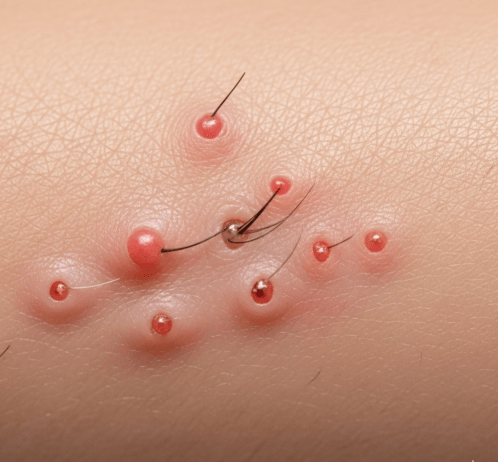
→ Folliculitis after laser hair removal (LHR) refers to the development of small, red, sometimes pus-filled bumps that occur when hair follicles become inflamed or infected after a laser session.
→ This happens because laser treatment damages follicles to stop hair growth, and as the treated hairs shed, the skin can react with inflammation, irritation, or bacterial overgrowth.
→ Folliculitis is usually temporary and mild, but in some cases it can cause discomfort, pigmentation changes, or scarring if not managed properly.
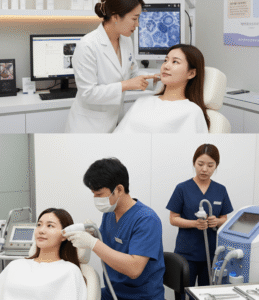
→ In Korea, dermatologists provide structured aftercare protocols to prevent and treat folliculitis quickly, ensuring both safety and cosmetic satisfaction.
Why it’s done
→ Folliculitis after LHR care is necessary to:
- Reduce discomfort such as redness, itching, or burning.
- Prevent infection in open or inflamed follicles.
- Avoid pigmentation changes (dark or light spots after inflammation).
- Prevent scarring in cases of deeper folliculitis.
- Support smooth healing and maintain treatment results.
→ Proper care ensures that laser sessions remain safe, effective, and comfortable.
Alternatives
→ Alternatives to a structured aftercare plan include:
- Self-care only → using home remedies like aloe vera or cold compresses.
- Over-the-counter creams → mild antiseptics or hydrocortisone.
- Waiting it out → folliculitis may resolve naturally in mild cases.
→ However, without professional guidance, risks of infection, scarring, or pigmentation increase, making dermatologist-led care the safest approach.
Preparation
→ To minimize risk of folliculitis after LHR:
- Shave (not wax/pluck) before treatment to keep follicles intact.
- Avoid tanning or sunburn before sessions.
- Keep skin clean → no heavy creams, oils, or deodorants on treatment day.
- Disclose medical history → patients prone to acne, folliculitis, or keloids may need preventive care.
- Plan aftercare supplies → soothing gel, fragrance-free moisturizer, and sunscreen.
→ Korean clinics often provide pre-procedure counseling to reduce risks.
How it’s Done
→ Management of folliculitis after LHR usually involves a combination of:
- Immediate soothing care
- Apply cold compresses to reduce inflammation.
- Use soothing creams or aloe vera to calm irritation.
- Topical medications
- Antibiotic ointments (mupirocin, fusidic acid) for bacterial folliculitis.
- Antiseptic washes (chlorhexidine, benzoyl peroxide cleansers) to prevent further infection.
- Mild corticosteroid creams to reduce itching and redness.
- Oral medications (if needed)
- Oral antibiotics for widespread or severe infections.
- Antihistamines if itching is intense.
- Laser protocol adjustment
- Dermatologists may adjust laser fluence, wavelength, or cooling settings in future sessions to reduce recurrence.
- Supportive therapies
- LED light therapy (blue or red light) to reduce inflammation and promote healing.
- Moisturizing therapy to restore skin barrier.
→ Mild folliculitis usually clears within a few days to a week with proper care.
Recovery
→ Recovery from folliculitis after LHR is generally short:
- Mild cases → resolve within 3–7 days with topical care.
- Moderate cases → may take 1–2 weeks if oral medications are needed.
- Post-inflammatory pigmentation → can take several weeks to fade, often managed with brightening creams or laser toning in Korean clinics.
→ Patients should:
- Avoid scratching or picking at bumps.
- Wear loose clothing to reduce friction on treated areas.
- Use gentle, fragrance-free cleansers.
- Apply sunscreen daily to prevent pigmentation after healing.
Complications
→ If folliculitis after LHR is not managed properly, complications can include:
- Post-inflammatory hyperpigmentation (dark spots).
- Hypopigmentation (light patches).
- Scarring or keloids (in rare cases).
- Recurrent folliculitis if underlying risk factors aren’t addressed.
→ With timely intervention, these risks are minimized.
Treatment options in Korea
→ Korea is highly advanced in managing LHR side effects such as folliculitis:
- Specialized dermatology protocols → immediate soothing care, antibiotics, and follow-up checks.
- Integrated aftercare programs → clinics often include recovery treatments like cooling masks, LED therapy, and medicated skincare.
- Customized laser settings → Korean dermatologists tailor laser fluence and wavelength based on skin type and folliculitis risk profile.
- Scar and pigmentation prevention → Korean clinics emphasize long-term skin health, offering brightening therapies, chemical peels, and pigmentation lasers if dark spots occur.
- High hygiene standards → sterile protocols minimize infection risk during and after sessions.
- Medical tourism support → international patients receive structured aftercare plans with English-speaking guidance.
→ With expert care, modern technology, and an emphasis on smooth, clear skin, Korea is one of the best places for safe and effective folliculitis after LHR care.