What it is
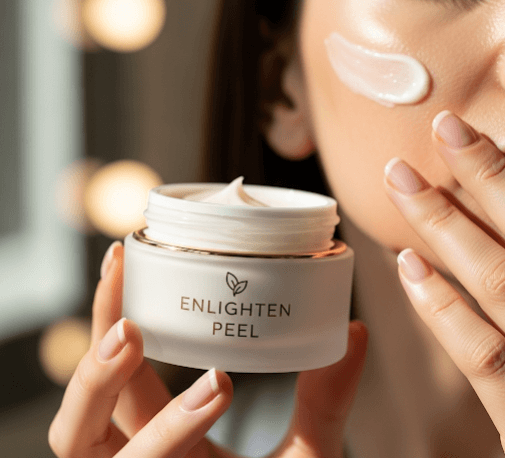
→ The Enlighten peel is a medical-grade chemical peel and skin-brightening system that targets melasma, sun damage, hyperpigmentation, acne scars, and uneven skin tone.
→ It is often referred to as a “next-generation depigmentation system”, similar to Cosmelan or Dermamelan, but designed to be gentler with fewer side effects while still delivering powerful pigment correction.
→ The Enlighten peel works through a two-step protocol combining:
- In-clinic chemical peel → exfoliates the top layer of skin and primes pigment removal.
- Home-care regimen → includes brightening and melanin-inhibiting products to maintain results.
→ Active ingredients typically include kojic acid, arbutin, retinoids, salicylic acid, lactic acid, hydroquinone, and antioxidants, depending on the formulation used by the clinic.
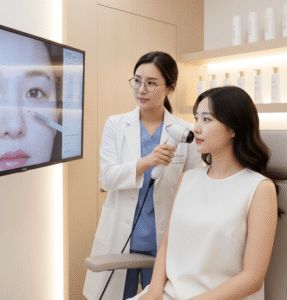
→ In Korea, Enlighten peel is offered in select dermatology centers and is often combined with laser toning or brightening facials for synergistic results.
Why it’s done
→ The Enlighten peel is performed to:
- Fade melasma and stubborn pigmentation.
- Lighten post-inflammatory hyperpigmentation (PIH) from acne.
- Reduce freckles, sunspots, and age-related darkening.
- Brighten dull skin for a more radiant complexion.
- Improve acne-prone skin by reducing breakouts and oiliness.
- Smooth skin texture through exfoliation and collagen stimulation.
→ It is especially popular among patients who want powerful pigment control with less downtime than harsher peels.
Alternatives
→ Alternatives to the Enlighten peel include:
- Cosmelan peel → stronger depigmentation, suitable for resistant melasma.
- Dermamelan treatment → medical-grade, best for severe pigmentation cases.
- Pigmentation cocktail peels → customizable blends for gradual brightening.
- Laser toning (Q-switched Nd:YAG, pico-lasers) → for deeper melasma and pigmentation.
- Topical creams → hydroquinone, tretinoin, vitamin C.
- Tranexamic acid therapy → oral or topical, often used in Korea for melasma.
→ While alternatives are effective, the Enlighten peel is often chosen for patients seeking a balance between potency and tolerability.
Preparation
→ Before an Enlighten peel, patients should:
- Avoid sun exposure for 2–4 weeks.
- Discontinue retinoids, AHAs, BHAs, and exfoliants 5–7 days before.
- Moisturize regularly to support skin barrier.
- Avoid waxing or hair removal in the treatment area for at least a week.
- Discuss medical history → especially for pigmentation disorders, eczema, or rosacea.
- Patch test may be done in sensitive patients.
→ Korean dermatologists often recommend pre-peel brightening serums to stabilize skin and maximize results.
How it’s Done
→ The Enlighten peel involves two phases:
Phase 1: In-clinic treatment
- The skin is cleansed and prepped.
- The Enlighten peel solution is applied evenly.
- It is left on for 30–60 minutes, depending on skin type and goals.
- Some versions require leaving the peel on for several hours before removal at home.
Phase 2: At-home program
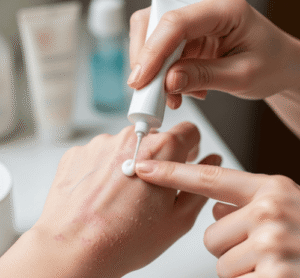
- Patients continue with Enlighten home-care creams/serums that include melanin inhibitors and brightening agents.
- Daily sunscreen is essential.
- Maintenance typically lasts 4–6 weeks, depending on protocol.
→ A full treatment cycle may involve one in-clinic session plus home-care, or multiple sessions spaced 4–6 weeks apart for stubborn pigmentation.
Recovery
→ Recovery from Enlighten peel is generally mild compared to stronger peels:
- Day 1–2 → mild redness and tightness.
- Day 3–5 → light peeling or flaking begins.
- Week 2 → clearer, brighter skin becomes noticeable.
- 1–2 months → pigmentation continues to fade with ongoing home-care use.
→ Patients should:
- Use soothing, fragrance-free moisturizers.
- Apply SPF 50+ sunscreen daily, even indoors.
- Avoid picking or peeling flaking skin.
- Refrain from saunas, hot yoga, and heavy workouts for a few days.
→ Most people return to normal activities immediately, with visible results within weeks.
Complications
→ The Enlighten peel is generally safe, but possible side effects include:
- Temporary redness, dryness, and peeling.
- Post-inflammatory hyperpigmentation (PIH) if sun protection is neglected.
- Breakouts or purging in acne-prone patients.
- Allergic reaction to active ingredients (rare).
- Uneven peeling if aftercare is not followed.
→ Risks are minimized with professional Korean dermatology protocols and strict sunscreen use.
Treatment options in Korea
→ Korea offers advanced protocols for Enlighten peel treatments:
- Dermatology-led procedures → Korean dermatologists perform tailored Enlighten peels based on pigmentation severity.
- Combination treatments → often paired with laser toning, brightening facials, or tranexamic acid therapy for stubborn melasma.
- Custom formulations → some clinics enhance Enlighten peels with Korean brightening agents like niacinamide and centella asiatica.
- Comprehensive aftercare kits → provided with soothing creams, hydrating serums, and sunscreen.
- Focus on PIH prevention → clinics emphasize sun protection and barrier repair to prevent rebound pigmentation.
- Medical tourism → international patients benefit from English-speaking staff and personalized treatment schedules.
→ With its blend of science, safety, and aesthetics, Korea is one of the best destinations for Enlighten peel therapy.