What It Is
Defining Dermatographism
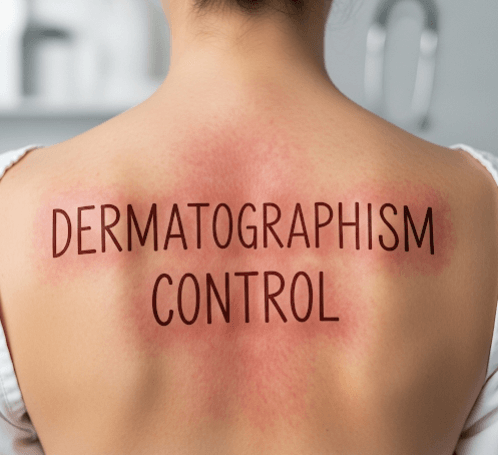
→ Dermatographism, also known as dermatographic urticaria or “skin writing”, is a common type of physical urticaria where even light scratching, rubbing, or pressure on the skin causes raised, red, itchy welts.
→ The condition is caused by excessive release of histamine from skin mast cells when the skin is irritated.
→ While usually harmless, dermatographism can be persistent, uncomfortable, and cosmetically concerning for many patients.
→ In Korea, dermatologists provide stepwise management programs that include medications, skincare routines, and lifestyle adjustments to control symptoms and prevent flare-ups.
Key Characteristics
- Raised welts or hives appear minutes after scratching or pressure
- Lesions are linear, red, and itchy
- Typically last for 30 minutes to 2 hours before fading
- Triggered by scratching, tight clothing, heat, stress, or minor skin irritation
- May occur alone or in combination with other chronic urticarias
Why It’s Done
Main Reasons for Seeking Control
➡ Symptom Relief – Itching and swelling interfere with comfort and sleep.
➡ Cosmetic Concerns – Visible welts can be socially embarrassing.
➡ Trigger Management – Identifying irritants prevents frequent flare-ups.
➡ Improved Quality of Life – Patients regain confidence and comfort.
➡ Chronic Care – Dermatographism often persists for years; structured control prevents long-term distress.
Alternatives
Non-Medical Options
- Avoidance of Triggers → Loose clothing, avoiding scratching or rubbing skin.
- Gentle Skincare → Hypoallergenic soaps, fragrance-free moisturizers.
- Cooling Measures → Cold compresses to relieve itching and swelling.
- Stress Management → Relaxation techniques, since stress can worsen outbreaks.
Medical Alternatives
→ When symptoms interfere with daily life:
- Non-sedating Antihistamines → First-line therapy for daily control.
- High-Dose Antihistamines → Stepwise dose increase if standard dose is ineffective.
- H2 Blockers (like famotidine) → Sometimes used with antihistamines.
- Leukotriene Antagonists (Montelukast) → Add-on therapy in resistant cases.
- Biologic Therapy (Omalizumab) → Advanced option for refractory chronic urticaria including dermatographism.
Preparation
Before Care and Treatment in Korea
➡ Dermatology Consultation – Diagnosis made through history and simple “scratch test” on the skin.
➡ Trigger Review – Patients are asked about clothing habits, skincare products, stress, and environmental exposure.
➡ Medical History – Rule out chronic spontaneous urticaria or other allergy-related conditions.
➡ Patient Counseling – Doctors explain that dermatographism is not dangerous, but can be chronic and requires lifestyle management plus medications.
How It’s Done
Standard Dermatographism Control in Korea
1. Avoidance and Lifestyle Adjustments
→ First steps recommended by dermatologists:
- Avoid tight or rough clothing
- Use gentle cleansers and fragrance-free moisturizers
- Minimize scratching or rubbing skin
- Avoid hot showers, saunas, and overheating
- Reduce stress and anxiety, which can worsen outbreaks
2. Antihistamine Therapy
→ Mainstay of treatment.
- Non-sedating antihistamines (cetirizine, loratadine, fexofenadine, bilastine) taken daily
- Stepwise dose escalation up to 4x standard dose if symptoms persist
- Safe for long-term use under supervision
3. Combination Therapies
- H2 blockers (famotidine) may be added for resistant cases
- Leukotriene antagonists (montelukast) sometimes prescribed
4. Biologic Therapy – Omalizumab
→ For severe, chronic, treatment-resistant dermatographism.
- Subcutaneous injection every 2–4 weeks
- Effective in reducing frequency and severity of welts
5. Supportive Skincare
- Regular use of hydrating creams to protect skin barrier
- Cooling gels or sprays for flare-ups
- Korean clinics often combine medical care with cosmetic skincare routines for comfort and aesthetics
Recovery
Immediate Recovery
- Antihistamines provide relief within days, reducing welts and itching.
- Lifestyle changes (loose clothing, skincare) show benefit within weeks.
Long-Term Recovery
→ Dermatographism may last for years, but with consistent care:
- Reduced frequency and severity of welts
- Better tolerance of daily activities
- Improved sleep and social confidence
→ Many patients achieve long-term remission with stepwise management, especially when biologic therapy is available.
Complications
Risks Without Care
- Persistent Itching → Causes chronic discomfort and sleep problems.
- Emotional Stress → Visible welts lead to embarrassment and reduced quality of life.
- Skin Damage → Repeated scratching may cause secondary infection or scarring.
Risks With Treatment
- Antihistamine Side Effects → Rare sedation at higher doses.
- Steroid Overuse → Not recommended; can cause serious long-term harm if misused.
- Biologic Therapy Risks → Rare allergic reaction to omalizumab injections.
- Incomplete Control → Some patients require multiple approaches before finding the right balance.
Treatment Options in Korea
Why Korea Excels in Dermatographism Care
➡ Accurate Diagnosis – Korean dermatologists use provocation scratch tests to confirm diagnosis quickly.
➡ Stepwise Protocols – Following global urticaria guidelines, tailored to each patient.
➡ Access to Biologics – Omalizumab available in university and private clinics.
➡ Integration of Skincare – Korean approach blends medical treatment with skincare and cosmetic support.
➡ Patient Education – Strong emphasis on teaching patients how to avoid triggers and manage daily life.
Patient Experience in Korea
- Diagnosis is outpatient-based and quick.
- Treatment begins with antihistamines and lifestyle counseling.
- Clinics often provide aftercare kits with moisturizers, cooling creams, and written instructions.
- Follow-up visits ensure progress and medication adjustments as needed.
Conclusion
Dermatographism control in Korea is based on a structured, stepwise approach that combines antihistamines, biologic therapies, lifestyle modifications, and skincare support.
While the condition is not dangerous, it can significantly affect comfort and confidence. Korean dermatology clinics provide modern, patient-centered management, ensuring both effective symptom relief and long-term improvement.
For patients struggling with dermatographism, Korea offers some of the most advanced and holistic care systems worldwide, balancing medical precision with cosmetic and lifestyle support.