What it is
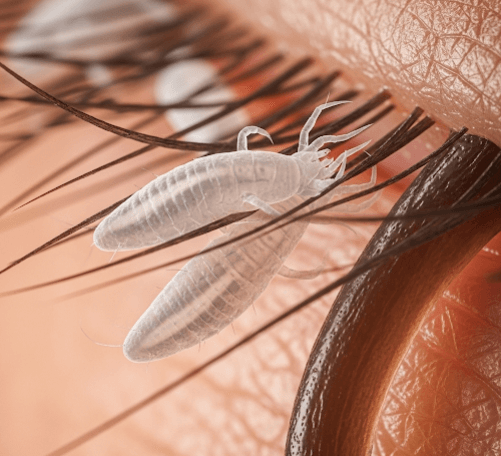
Demodex management in Korea refers to the diagnosis and treatment of skin conditions caused or worsened by Demodex mites, tiny parasites that live naturally in hair follicles and sebaceous glands.
In healthy skin, Demodex mites are usually harmless. But when they overpopulate, they can trigger or worsen conditions such as rosacea (especially papulopustular rosacea), blepharitis (eyelid inflammation), and chronic skin irritation.
→ Korean dermatology focuses on balancing the skin environment, reducing mite density, and strengthening the skin barrier rather than total eradication, since Demodex is a normal part of the skin microbiome.
• High mite density is often linked to weakened skin immunity or oily skin.
• Management in Korea involves topical medications, oral therapies, and advanced skincare routines.
Why it’s done
Patients in Korea seek Demodex management for several reasons:
→ Rosacea control: Overgrowth of Demodex mites is strongly linked to inflammatory rosacea flare-ups.
→ Eye health: Mites can infest eyelash follicles, causing blepharitis or ocular rosacea.
→ Skin clarity: Redness, bumps, and irritation caused by mite overpopulation are reduced.
→ Prevention of chronic inflammation: Long-term mite activity can damage skin barrier function.
→ Aesthetic culture: In Korea, smooth and clear skin is highly valued, so patients pursue early treatment when symptoms appear.
Alternatives
If specialized care is not sought, patients may try alternative or supportive methods:
• Tea tree oil cleansers → Has natural anti-mite activity but can irritate sensitive skin.
• Over-the-counter sulfur soaps → Mildly reduce mites but may cause dryness.
• Good hygiene → Washing pillowcases, avoiding heavy oils, and proper cleansing.
• Natural remedies → Aloe vera or herbal extracts for soothing, though evidence is limited.
→ While helpful, these alternatives are less effective than medical-grade therapies used in Korea.
Preparation
Before starting Demodex management in Korea, preparation involves:
- Dermatology evaluation → Microscopic skin scrapings or standardized skin surface biopsies confirm mite density.
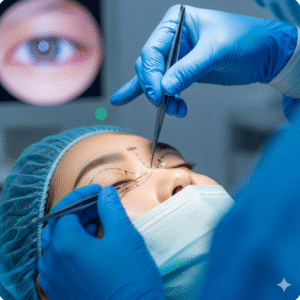
- Ophthalmology referral → If eyelid involvement is suspected, eye specialists check lashes and meibomian glands.
- Skin preparation → Patients may be asked to stop retinoids or harsh exfoliants.
- Lifestyle awareness → Identifying factors like stress, oily skincare, or poor cleansing habits.
→ Korean clinics often prepare patients with gentle skincare routines before starting anti-mite therapy.
How it’s done
Demodex management in Korea combines medications, in-clinic therapies, and skincare adjustments:
- Topical treatments
- Ivermectin cream → Anti-parasitic, reduces mite density and inflammation.
- Metronidazole gel → Anti-inflammatory with mild anti-mite activity.
- Sulfur-based creams → Kill mites while calming irritation.
- Oral medications
- Ivermectin tablets → Used in resistant or severe cases.
- Low-dose doxycycline → Reduces inflammation associated with Demodex activity.
- Ocular treatments (if eyelids are affected)
- Tea tree oil eyelid scrubs → Specially formulated wipes used in Korean eye clinics.
- Blepharo-cleaning devices → In-clinic deep cleansing of eyelid margins.
- Laser and light therapies
- IPL (Intense Pulsed Light) → Improves ocular rosacea and reduces Demodex-related vascular inflammation.
- Lifestyle and skincare
- Avoiding heavy oils and comedogenic products.
- Using mild Korean cleansers with soothing botanicals.
- Strict sun protection to prevent rosacea flares.
→ A full course of treatment may take 6–12 weeks, with maintenance therapy afterward.
Recovery
Recovery from Demodex overgrowth varies by severity:
• Short-term (2–4 weeks) → Redness and bumps start to decrease.
• Medium-term (6–8 weeks) → Noticeable reduction in inflammation and flare frequency.
• Long-term (3–6 months) → Stable control with ongoing skincare and occasional maintenance treatments.
→ Korean clinics emphasize long-term skin balance rather than quick eradication, ensuring sustainable results.
Complication
If Demodex management is not addressed properly, risks include:
- Chronic rosacea → Persistent redness and pustules.
- Ocular issues → Blepharitis, dry eyes, or ocular rosacea.
- Skin barrier damage → Overuse of harsh anti-mite products may worsen sensitivity.
- Relapse → Without maintenance, mites may repopulate quickly.
→ Korean specialists reduce risks by tailoring treatments to skin type and using barrier-repair skincare alongside anti-mite therapy.
Treatment option in Korea
Korea offers some of the most advanced and holistic Demodex management approaches:
→ Topical innovation → Korean dermatologists often combine ivermectin or sulfur with calming formulations like centella asiatica to reduce irritation.
→ Integrated care → Dermatology clinics collaborate with ophthalmologists when eye involvement is present.
• Skincare support → Post-treatment care kits with soothing serums, moisturizers, and SPF are common.
• Cutting-edge devices → IPL and LED therapies are widely used for vascular support and inflammation reduction.
• Medical tourism → Many international patients visit Korea for rosacea and Demodex management due to its strong dermatology reputation.
→ With its balance of medical precision, cosmetic care, and innovative skincare, Korea provides world-class solutions for Demodex management, ensuring both skin health and long-term comfort.