What it is
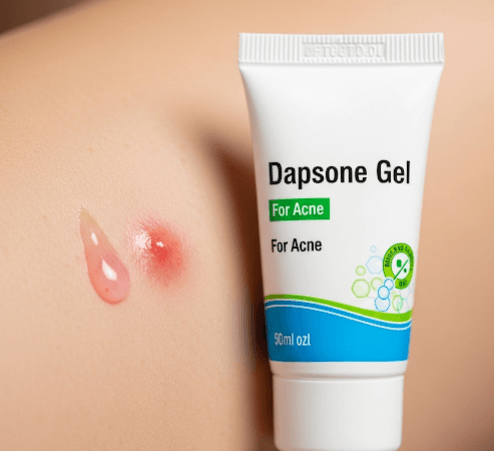
Dapsone gel is a topical acne medication containing dapsone, an anti-inflammatory and antibacterial compound originally used in systemic form for infections and immune conditions. In topical gel form (commonly 5%), it helps treat inflammatory acne (papules, pustules, cysts) by reducing swelling, redness, and bacterial overgrowth without being as irritating as stronger treatments like high-strength benzoyl peroxide or oral isotretinoin.
In Korea, dapsone gel is often used in dermatology-supervised acne care plans, especially for patients with sensitive or adult acne who cannot tolerate harsher topicals.
Why it’s done
- Reduces inflammation → calms red, swollen acne lesions
- Antibacterial action → decreases Cutibacterium acnes (acne bacteria)
- Safe for sensitive skin → gentler than many retinoids or benzoyl peroxide formulations
- Suitable for adult or hormonal acne → effective on lower-face breakouts
- Adjunct to combination therapy → often used alongside retinoids, antibiotics, or oral treatments
- Pigmentation-friendly → less likely to worsen PIH (post-inflammatory hyperpigmentation), a key concern for Asian skin
Alternatives
- Benzoyl peroxide (BPO) → powerful antibacterial, but more irritating
- Retinoids (adapalene, tretinoin) → strong pore uncloggers, but high irritation risk
- Azelaic acid → antibacterial + pigmentation brightening, but less anti-inflammatory than dapsone
- Topical antibiotics (clindamycin, erythromycin) → effective short-term, but resistance risk
- Oral medications → isotretinoin, hormonal therapy for severe or resistant acne
Korean dermatologists often recommend dapsone gel for patients who want a gentler yet effective alternative to benzoyl peroxide or retinoids.
Preparation
- Skin assessment → dermatologist determines acne type (inflammatory vs comedonal vs cystic)
- Medical history check → important if patient has G6PD deficiency (rare blood condition that can be affected by dapsone)
- Routine simplification → avoid starting with multiple new strong actives at once
- Patch testing → apply on a small area first to rule out sensitivity
How it’s Done
Application guidelines
- Use on clean, dry skin once or twice daily as directed
- Apply a thin layer to affected acne areas (not just single spots if breakouts are widespread)
- Start with once daily to monitor tolerance, then increase if no irritation
- Combine with a non-comedogenic moisturizer to prevent dryness
- Always use SPF in the daytime (to prevent acne marks and PIH)
Combination strategies in Korea
- Dapsone gel + Retinoid (alternate use) → reduces irritation while keeping acne under control
- Dapsone gel + Azelaic acid → calms redness + brightens pigmentation
- Dapsone gel + Niacinamide serum → improves barrier + reduces oil and inflammation
- Dapsone gel + LED blue light therapy → clinic-based add-on for bacterial suppression
Recovery
- 2–4 weeks → inflammation and redness of acne start improving
- 6–8 weeks → fewer new pimples, calmer skin tone
- 3–6 months → long-term control of acne with reduced scarring and pigmentation risk
Korean dermatology clinics often combine dapsone gel plans with:
✔️ Oil-control cleansers
✔️ Barrier-repair moisturizers
✔️ Gentle exfoliation (salicylic acid or mandelic acid, 1–2x per week)
✔️ Clinic treatments (pico laser, acne scaling, LED light)
Complications
- Mild dryness, redness, or peeling (less common than with retinoids or BPO)
- Orange-brown discoloration if combined with benzoyl peroxide (cosmetic but harmless)
- Rare allergic reaction
- Contraindicated in patients with G6PD deficiency
Treatment Options in Korea
How dapsone gel is used in Korean dermatology
- Usually prescribed for adult women with hormonal acne
- Recommended for patients with sensitive skin that cannot tolerate benzoyl peroxide
- Combined with oral supplements (zinc, vitamin D, omega-3s) for better outcomes
Clinic-based protocols
- Moderate acne → dapsone gel + retinoid (adapalene) at night + salicylic acid cleanser
- Hormonal acne → dapsone gel + oral therapy (spironolactone or hormonal balance supplements)
- Acne with pigmentation → dapsone gel + azelaic acid cream + SPF cushion reapplication
- Post-acne scarring → dapsone gel + clinic RF microneedling or laser toning
Popular Korean brands
Since dapsone is more often prescription-based, it’s dispensed through dermatology clinics and pharmacies in Korea. Some clinics prepare customized compounded gels combining dapsone with soothing agents (like panthenol or centella extract).
Key Point
Dapsone gel for acne in Korea is a gentle yet effective treatment for inflammatory and sensitive acne. By calming redness, fighting bacteria, and reducing flare-ups, it offers a safer alternative for those who cannot tolerate benzoyl peroxide or retinoids. When combined with K-beauty soothing skincare, barrier repair creams, and advanced clinic therapies, dapsone gel provides long-term acne control with reduced irritation and pigmentation risk.