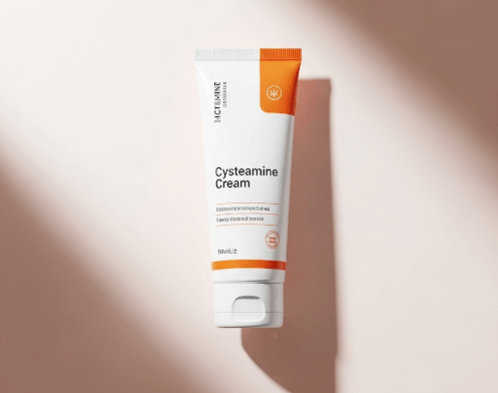
Cysteamine Cream in Korea is gaining popularity as an effective and safe alternative to hydroquinone for the management of pigmentation disorders such as melasma, post-inflammatory hyperpigmentation (PIH), freckles, age spots, and sun damage. Cysteamine is a naturally occurring molecule in human cells, with strong antioxidant and skin-brightening properties. Unlike hydroquinone, which requires strict medical supervision and limited use, cysteamine cream can be used for long-term pigmentation management with a lower risk of side effects.
Korean dermatology clinics and skincare brands have embraced cysteamine as part of their holistic pigmentation treatment programs, often combining it with lasers, peels, and K-beauty skincare regimens to maximize results.
What It Is
Cysteamine is a natural compound derived from L-cysteine, an amino acid present in all human cells. In dermatology, cysteamine cream works by:
- Inhibiting melanin synthesis → Blocks multiple steps in the pigmentation pathway.
- Reducing oxidative stress → Neutralizes free radicals that trigger melasma and PIH.
- Supporting skin detoxification → Improves cell turnover and renewal.
Korean clinics use cysteamine 5% cream, typically applied as a short-contact therapy, meaning it is applied for a limited time and then washed off.
Why It’s Done
Patients in Korea use cysteamine cream for:
- Melasma management → Especially when hydroquinone is not tolerated.
- Post-inflammatory hyperpigmentation (PIH) → After acne or cosmetic procedures.
- Freckle and sun spot fading → For overall brightening.
- Long-term pigmentation control → Unlike hydroquinone, cysteamine is safe for ongoing use.
- K-beauty skin goals → Achieving the luminous “glass skin” look through even skin tone.
Because it is both effective and safer for prolonged use, cysteamine has become a favorite in Korean pigmentation protocols.
Alternatives
Korean dermatologists may recommend other treatments if cysteamine cream is not suitable:
- Hydroquinone → Powerful but restricted to short-term use.
- Tranexamic acid (oral, topical, or injection) → Effective for melasma.
- Vitamin C therapy → Popular brightening agent in K-beauty.
- Niacinamide, arbutin, kojic acid → Gentle alternatives in daily skincare.
- Q-switched Nd:YAG or Pico lasers → For stubborn pigmentation.
- Chemical peels → Glycolic or TCA peels for exfoliation.
Preparation
Preparation before starting cysteamine cream in Korea includes:
- Consultation → Dermatologists assess skin type, pigmentation severity, and sensitivity.
- Patch test → Ensures no allergic reaction or irritation.
- Skin conditioning → Using gentle moisturizers and sunscreen before starting.
- Pre-care advice → Avoid over-exfoliation, retinoids, or aggressive skincare.
How It’s Done
Cysteamine cream is applied in a structured regimen to maximize results while minimizing irritation:
- Application timing
- Applied once daily (usually at night) on cleansed, dry skin.
- Left on for 15–30 minutes (short-contact therapy).
- Washed off thoroughly with water.
- Aftercare
- A gentle moisturizer is applied after washing off.
- Sunscreen is essential during the day.
- Treatment duration
- Used daily for 16 weeks, then maintenance 2–3 times per week.
Korean clinics often integrate cysteamine cream into combination therapies, pairing it with lasers, peels, or topical antioxidants.
Recovery
Cysteamine therapy requires minimal downtime:
- Initial phase → Mild tingling, redness, or dryness may occur in the first 1–2 weeks.
- 4–8 weeks → Pigmentation gradually begins to lighten.
- 12–16 weeks → Significant improvements in melasma and PIH.
- Maintenance phase → Continued use helps prevent recurrence.
Korean clinics may provide hydrating facials, soothing ampoules, or LED therapy to reduce irritation and speed results.
Complications
Cysteamine cream is generally safe, but side effects may occur:
- Temporary redness, dryness, or peeling.
- Mild irritation if left on too long.
- Rare allergic reaction.
Unlike hydroquinone, cysteamine has no risk of exogenous ochronosis (bluish-black discoloration), making it safer for long-term use. Korean dermatologists minimize risks by using short-contact application and maintenance protocols.
Treatment Options
Korean clinics offer cysteamine cream in different treatment programs:
- Melasma programs → Cysteamine with laser toning and tranexamic acid therapy.
- PIH correction programs → Post-acne pigmentation care with cysteamine and brightening serums.
- Brightening packages → Cysteamine plus Vitamin C infusion or whitening ampoules.
- Combination protocols → Cysteamine with Pico lasers or chemical peels.
- Maintenance programs → Long-term cysteamine use supported by K-beauty skincare.
Clinics in Seoul, particularly in Gangnam, often prescribe cysteamine as part of multi-session pigmentation treatment bundles, making it accessible for both locals and international patients.
Conclusion
Cysteamine Cream in Korea has become a highly effective, safe, and sustainable solution for treating melasma, PIH, freckles, and sun damage. Unlike hydroquinone, which is limited to short-term use, cysteamine is suitable for long-term pigmentation management with minimal risks.
By integrating cysteamine into holistic K-beauty protocols with lasers, serums, and aftercare, Korean dermatologists deliver gradual, natural-looking results that align with the cultural emphasis on clear, radiant skin. For patients seeking a proven, science-backed, and safe alternative to hydroquinone, cysteamine cream in Korea offers one of the best long-term solutions.