What It Is
Carboxytherapy is a minimally invasive treatment that involves the injection of medical-grade carbon dioxide (CO₂) gas beneath the skin to improve circulation, stimulate collagen production, and break down fat deposits.
The therapy works by:
- Increasing blood flow in the treated area.
- Triggering the body’s natural healing response, leading to collagen and elastin regeneration.
- Enhancing oxygen delivery to tissues, which improves skin quality and reduces localized fat.
In Korea, carboxytherapy is widely used for both skin rejuvenation and body contouring, especially because it is natural, safe, and aligns with K-beauty’s focus on subtle, long-term improvements without surgery.
Why It’s Done
Patients undergo carboxytherapy for a variety of concerns:
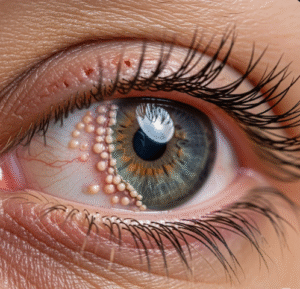
➝ Dark under-eye circles → Caused by poor circulation and thin skin.
➝ Cellulite reduction → Breaks down fat deposits and smooths skin.
➝ Stretch mark improvement → Increases collagen to repair skin texture.
➝ Skin rejuvenation → Tightens, firms, and brightens skin.
➝ Localized fat reduction → Treats double chin, thighs, arms, abdomen.
➝ Scar treatment → Improves blood flow and softens fibrous tissue.
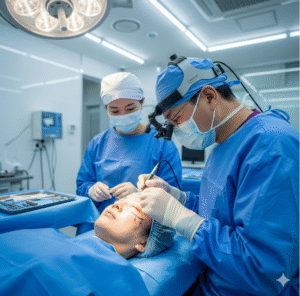
In Korean clinics, carboxytherapy is often recommended for under-eye rejuvenation, where it is considered one of the most effective non-surgical solutions for dark circles and fine lines.
Alternatives
Carboxytherapy has unique benefits but also alternatives depending on the concern:
- Mesotherapy (vitamin cocktails, lipolysis blends) → Similar injections but with active ingredients instead of CO₂.
- Fat dissolving injections (Kybella, V-line injections) → Target fat cells directly.
- HIFU (Shurink, Ultherapy) → Tightens skin but doesn’t treat circulation.
- Thermage FLX (monopolar RF) → Stimulates collagen with radiofrequency energy.
- PRP (platelet-rich plasma) → Uses growth factors for skin repair.
- Laser resurfacing → Improves stretch marks and scars.
In Korea, carboxytherapy is often combined with other procedures:
- Carboxytherapy + PRP → Enhanced skin healing.
- Carboxytherapy + Fat Dissolving Injections → Slimming plus circulation improvement.
- Carboxytherapy + RF Microneedling → Texture repair plus collagen stimulation.
Preparation
Preparation helps ensure safe and effective treatment:
➝ Consultation & assessment → Doctors examine the target area and goals.
➝ Medical history review → Patients disclose any respiratory or cardiovascular conditions.
➝ Avoid blood thinners → Stop aspirin, ibuprofen, or supplements 5–7 days before (with doctor’s advice).
➝ No alcohol or smoking → For at least 48 hours before treatment.
➝ Skin prep → Avoid retinoids or harsh exfoliants for 3–5 days before.
➝ Numbing → Local anesthesia or cream may be used for comfort in sensitive areas.
How It’s Done
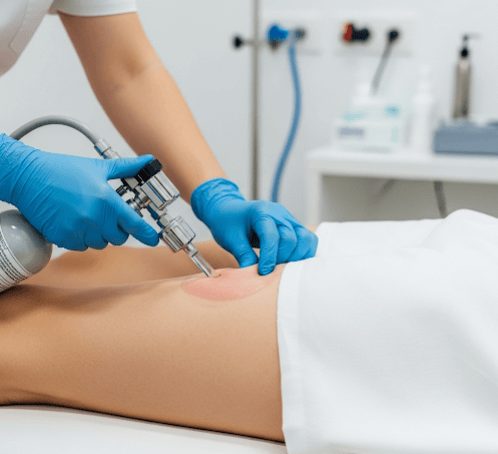
A carboxytherapy session usually takes 20–40 minutes:
- Cleansing & sterilization → The skin is disinfected.
- Local anesthesia (optional) → Especially for under-eye or sensitive areas.
- CO₂ injection →
- A fine needle delivers controlled amounts of carbon dioxide into the subcutaneous layer.
- Gas spreads into surrounding tissues, stimulating circulation and collagen repair.
- Absorption phase → The body naturally absorbs the gas within minutes.
- Aftercare application → Cooling masks or serums may be applied.
Treatment plan:
- 4–10 sessions depending on the condition (weekly or biweekly).
- Results are gradual, improving with each session.
Recovery
Carboxytherapy requires little to no downtime:
- Immediately after → Mild redness, puffiness, or tingling at injection sites.
- Day 1–3 → Slight swelling, especially under the eyes, resolves quickly.
- Week 1–2 → Skin looks firmer and brighter.
- Month 1–3 → Gradual collagen stimulation improves texture and elasticity.
- Multiple sessions → Required for cellulite, stretch marks, or fat reduction.
Aftercare tips:
➝ Avoid rubbing or massaging the treated area for 24 hours.
➝ Apply soothing creams or cooling gels if recommended.
➝ Avoid saunas, alcohol, and strenuous workouts for 1–2 days.
➝ Use SPF 50+ sunscreen daily to protect healing skin.
Complications
Carboxytherapy is generally very safe, but some temporary effects may occur:
➝ Redness or swelling → Mild, resolves within hours.
➝ Tenderness or pressure sensation → Common due to gas expansion.
➝ Bruising → Possible at injection sites.
➝ Subcutaneous crackling (crepitus) → From gas under the skin, resolves within minutes to hours.
➝ Infection (rare) → Prevented with sterile techniques.
Korean clinics minimize risks by using precise CO₂ dosing, sterile injection techniques, and advanced medical-grade equipment.
Treatment Options in Korea
Korea is highly advanced in skin rejuvenation therapies, and carboxytherapy is widely available as a complement to other K-beauty treatments.
1. Popular Uses in Korea
- Under-eye dark circles → One of the most common requests.
- Stretch marks (post-pregnancy or weight loss).
- Cellulite treatment → Thighs, buttocks, arms.
- Small fat deposits → Double chin, bra bulges, abdomen.
- Scar and texture improvement.
2. Typical Treatment Programs
- Under-eye carboxytherapy → 4–6 sessions.
- Cellulite/fat reduction → 6–10 sessions.
- Stretch marks → 8–10 sessions.
Final Thoughts
Carboxytherapy in Korea is a versatile, safe, and effective treatment for under-eye circles, cellulite, stretch marks, scars, and localized fat deposits. By using controlled injections of CO₂ gas, it enhances circulation, oxygenation, and collagen regeneration, producing natural and progressive results.
Korean clinics excel at integrating carboxytherapy into holistic anti-aging programs, often combining it with PRP, fat-dissolving injections, HIFU, or RF therapies for optimal outcomes. For patients seeking a non-surgical, affordable, and natural rejuvenation option, carboxytherapy in Korea is one of the most innovative solutions worldwide.