What It Is
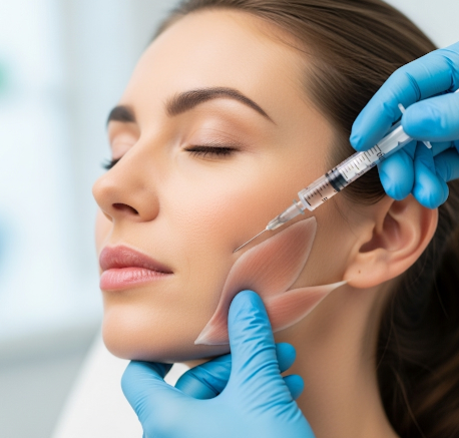
Bruxism Botox is a therapeutic use of botulinum toxin injections into the masseter muscles of the jaw to treat bruxism (teeth grinding and jaw clenching). Bruxism can occur during the day or night and often leads to:
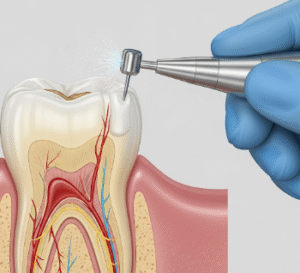
- Tooth wear and damage.
- Jaw pain and tightness.
- Headaches or migraines.
- Enlargement of the jaw muscles, creating a bulky or square face shape.
By injecting Botox into the masseter muscles:
- Muscle activity is reduced.
- Grinding and clenching behaviors decrease significantly.
- The jawline may gradually appear slimmer due to reduced muscle size.
In Korea, Bruxism Botox is both a medical treatment (for pain and dental health) and an aesthetic treatment (for jawline slimming).
Why It’s Done
Patients undergo Bruxism Botox for multiple medical and cosmetic reasons:
➝ Relief from jaw pain → Reduces soreness and muscle tightness.
➝ Protection of teeth → Prevents tooth damage, fractures, and enamel wear.
➝ Headache reduction → Decreases tension headaches and migraines caused by grinding.
➝ Improved sleep quality → Reduces nighttime grinding for more restful sleep.
➝ Facial slimming → Secondary benefit of reducing bulky masseters.
➝ Non-surgical solution → Avoids invasive jaw surgery or permanent alterations.
In Korea, where facial aesthetics and comfort are both important, Bruxism Botox is one of the most popular dual-purpose treatments.
Alternatives
Although Botox is very effective for bruxism, alternatives and complementary treatments exist:
- Mouthguards/night guards → Protect teeth but don’t reduce muscle activity.
- Physical therapy → Helps with jaw alignment and muscle relaxation.
- Stress management → Meditation, counseling, and relaxation techniques reduce triggers.
- Medications (muscle relaxants, anti-anxiety drugs) → Temporary relief but possible side effects.
- Surgery (jaw muscle reduction) → Rare and invasive, considered only for extreme cases.
In Korea, Bruxism Botox is often paired with night guards or physiotherapy for long-term management.
Preparation
Preparation ensures safety and maximum results:
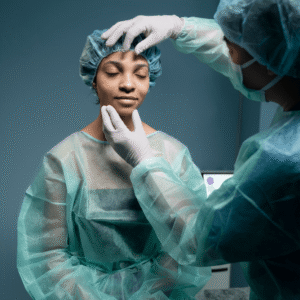
➝ Consultation → Doctor examines jaw shape, bite, and masseter muscle activity.
➝ Medical history → Patients disclose medications, allergies, and prior Botox use.
➝ Avoid blood thinners → Stop aspirin, ibuprofen, and supplements 5–7 days before (with medical guidance).
➝ No alcohol or smoking → For at least 24–48 hours before treatment.
➝ Clean skin → Arrive without makeup or creams on the jawline.
➝ Numbing (optional) → Topical cream may be used, though most tolerate the procedure well.
How It’s Done
A Bruxism Botox session usually takes 10–20 minutes:
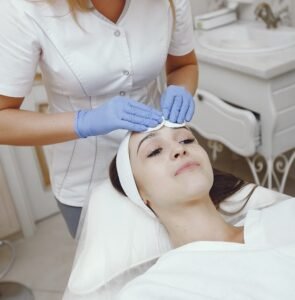
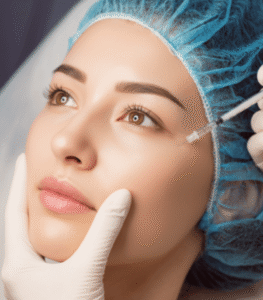
- Cleansing & sterilization → The jawline area is disinfected.
- Marking injection points → Typically 3–5 points on each masseter muscle.
- Injection process →
- Fine needles deliver Botox into both sides of the jaw.
- Dosing is balanced to reduce grinding but preserve chewing function.
- Post-treatment care → Cooling pads may be applied to reduce swelling.
Treatment plan:
- Results start in 1–2 weeks.
- Grinding and jaw tension improve within 3–4 weeks.
- Maximum effect: 6–8 weeks.
- Duration: 4–6 months.
- Maintenance: 2–3 sessions per year.
Recovery
Recovery is minimal, with little to no downtime:
- Immediately after → Mild redness or bumps at injection sites.
- Day 1–3 → Possible slight soreness or chewing fatigue.
- Week 2–4 → Noticeable reduction in clenching and grinding.
- Week 6–8 → Jawline may appear slimmer due to reduced masseter bulk.
- Month 4–6 → Effect slowly fades, repeat treatment recommended.
Aftercare tips:
➝ Stay upright for 4 hours after injections.
➝ Avoid pressing or massaging the jaw area.
➝ Skip chewing gum or eating tough foods for a few days.
➝ Avoid saunas, alcohol, or strenuous activity for 24–48 hours.
➝ Continue wearing a night guard if prescribed by your dentist.
Complications
Bruxism Botox is very safe when performed by experts, but possible side effects include:
➝ Bruising or swelling → Common, temporary.
➝ Mild chewing weakness → Usually improves within days.
➝ Asymmetry → Rare, corrected with touch-up injections.
➝ Smile changes (rare) → If Botox spreads to nearby muscles.
➝ Jawline heaviness → Mild, temporary sensation as muscles relax.
Korean specialists minimize risks by using precise injection mapping, micro-doses, and advanced injection techniques.
Treatment Options in Korea
In Korea, Bruxism Botox is a well-established and widely offered treatment. Patients can choose from:
- Preventive Botox for individuals with mild bruxism to protect their teeth early.
- Corrective Botox for patients with chronic jaw clenching and muscle pain.
- Bruxism Botox combined with night guard therapy for full dental protection.
- Bruxism Botox paired with masseter slimming Botox for both medical relief and facial contouring.
- Comprehensive pain management programs that combine Botox with acupuncture, physiotherapy, or stress management techniques.
Final Thoughts
Bruxism Botox in Korea is a safe, effective, and non-surgical solution for both jaw pain relief and facial slimming. By targeting the masseter muscles, it not only reduces teeth grinding and clenching but also creates a softer, more balanced lower face.
Korean clinics are recognized globally for their expert precision, natural outcomes, and holistic treatment programs. For patients seeking relief from chronic jaw tension, headaches, and bruxism-related dental issues, Bruxism Botox in Korea is one of the most advanced and reliable solutions worldwide.