What It Is
Defining Brittle Nails
→ Brittle nails (onychoschizia, onychorrhexis) are nails that split, peel, break, or crack easily, often due to loss of moisture, nutritional deficiencies, frequent trauma, or chemical exposure.
→ Patients may notice nails that are:
- Thin, fragile, and peeling at the tips
- Vertical ridges or horizontal splitting
- Easily breakable, even with gentle activity
→ While brittle nails are common, they can also signal underlying issues such as thyroid disease, anemia, malnutrition, fungal infection, or chronic skin conditions.
Defining a Brittle Nail Program
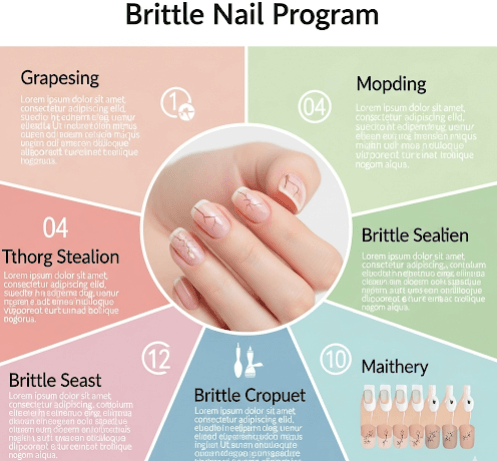
→ A brittle nail program is a structured management plan offered in Korean dermatology and nail health clinics that combines:
- Medical evaluation to rule out disease
- Specialized nail care routines
- Topical and systemic treatments for strengthening
- Lifestyle and cosmetic counseling to prevent further damage
→ The program aims to restore nail strength, improve appearance, and prevent recurrence.
Why It’s Done
Main Reasons for a Brittle Nail Program
➡ Restore Nail Health – Patients want strong, smooth, natural nails.
➡ Prevent Functional Problems – Broken nails can cause pain, difficulty in daily tasks.
➡ Cosmetic Confidence – Brittle nails can be embarrassing and unsightly.
➡ Identify Underlying Causes – Medical conditions or deficiencies can be detected early.
➡ Integrate Cosmetic & Medical Care – Korean clinics balance beauty with health.
Alternatives
Non-Medical Options
- Home Moisturization → Oils (jojoba, almond, coconut) massaged into nails.
- Protective Gloves → For cleaning, dishwashing, or gardening.
- Diet Adjustments → Ensuring adequate protein, vitamins, and minerals.
- Avoid Harsh Manicures → No over-filing or frequent gel/acrylic use.
Medical Alternatives
→ If no structured program is available:
- Oral Supplements → Biotin, iron, vitamin D, or zinc.
- Topical Nail Hardeners → Keratin or hydroxypropyl chitosan-based solutions.
- Medical Creams/Ointments → Urea or lactic acid creams for moisture retention.
- Laser Therapy → To stimulate nail growth in some Korean clinics.
Preparation
Before Starting a Brittle Nail Program in Korea
➡ Medical History Review – Check for thyroid disorders, anemia, psoriasis, or medication side effects.
➡ Physical Exam – Inspection of all fingernails and toenails.
➡ Lab Tests – Sometimes ordered to check for deficiencies (iron, B12, vitamin D, calcium).
➡ Lifestyle Review – Occupation, household habits, manicure history, chemical exposure.
➡ Patient Counseling – Explanation that nail repair is slow; visible improvement may take 3–6 months for fingernails and 12–18 months for toenails.
How It’s Done
Step 1: Medical and Cosmetic Evaluation
- Detailed nail exam to rule out fungus, psoriasis, lichen planus, or systemic disease.
- Dermoscopy or fungal culture if discoloration or thickening present.
Step 2: Moisture Restoration
- Application of intensive nail moisturizers with urea, lactic acid, or hyaluronic acid.
- Korean clinics often provide serum-style nail ampoules similar to K-beauty skincare.
- Night routine: applying oil or cream and wearing cotton gloves overnight.
Step 3: Nail Strengthening Treatments
- Topical nail hardeners (chitosan, keratin-based solutions).
- Medical nail lacquers to protect and strengthen.
- In some Korean centers, low-level laser therapy is used to stimulate nail growth.
Step 4: Oral and Nutritional Support
- Biotin supplements (5–10 mg daily) proven to improve nail thickness.
- Iron and zinc supplementation if deficiency confirmed.
- Dietary counseling to include lean protein, nuts, leafy greens, eggs, and seafood.
Step 5: Protective Nail Care Routine
- Avoid over-trimming and aggressive manicures.
- No harsh acetone removers; use gentle, non-drying products.
- Gloves for wet work (dishwashing, cleaning).
- Rotation or avoidance of gel/acrylic extensions that worsen brittleness.
Step 6: Cosmetic Dermatology Integration
- For patients with cosmetic concerns, Korean clinics offer:
- Keratin nail treatments (similar to hair keratin smoothing, adapted for nails).
- Protective nail overlays using breathable, medical-grade gels.
- Pigmentation or ridging correction with specialized polishes.
Step 7: Long-Term Maintenance
- Regular follow-ups every 4–8 weeks to track improvement.
- Periodic professional nail care sessions at medical spas or dermatology-linked salons.
Recovery
Immediate Recovery
- Hydration improves nail flexibility within 1–2 weeks.
- Patients notice less peeling and splitting.
Long-Term Recovery
→ Nail strength improves over months as new nail replaces old.
- Fingernails: 3–6 months for visible results.
- Toenails: 12–18 months for full regrowth.
→ Patients in Korea benefit from structured follow-up, ensuring sustained progress.
Complications
Risks Without Treatment
- Persistent Breakage → Chronic fragility leads to pain and irritation.
- Infections → Broken nails expose nail bed to fungal and bacterial infections.
- Cosmetic Issues → Embarrassment, avoidance of nail exposure.
- Delayed Diagnosis → Serious conditions (thyroid disease, anemia, melanoma) may be missed.
Risks With Program
- Allergic Reactions → Rare sensitivity to nail products.
- Over-Hardening → Some nail hardeners make nails too rigid and more prone to breakage.
- Supplement Risks → Overuse of vitamins/minerals may cause side effects if unsupervised.
- Compliance Issues → Patients may struggle with daily routines.
Treatment Options in Korea
Why Korea Excels in Brittle Nail Programs
➡ Holistic Approach – Korean dermatology integrates medical evaluation, cosmetic dermatology, and lifestyle counseling.
➡ Access to Innovative Products – K-beauty-driven nail serums, ampoules, and breathable nail polishes.
➡ Nutritional Integration – Many clinics include dietary counseling and supplementation guidance.
➡ Technology Support – Some centers use laser stimulation therapy to enhance nail growth.
➡ Cosmetic Sensitivity – Strong focus on nail beauty and patient confidence.
Patient Experience in Korea
- Initial consultation with dermatologist or nail health specialist.
- Patients often receive customized nail care kits (moisturizers, serums, protective polish).
- Follow-ups include progress imaging and nail growth tracking.
- For cosmetic concerns, dermatology-linked nail salons provide safe manicures and overlays.
Conclusion
Brittle nail programs in Korea provide a comprehensive and patient-focused solution for fragile, splitting, or peeling nails.
Through a combination of medical evaluation, hydration therapy, nail-strengthening products, nutritional support, and cosmetic dermatology, Korean clinics deliver both functional nail health and cosmetic beauty.
With Korea’s emphasis on innovation, holistic care, and patient education, individuals can expect long-term improvement, reduced recurrence, and restored confidence in their nails.
For anyone struggling with persistent brittle nails, Korea offers some of the most advanced and reliable nail care programs w