What it is
→ Brazilian laser hair removal (LHR) is a cosmetic dermatology procedure that uses concentrated beams of laser light to permanently reduce or eliminate hair growth in the pubic region, including the front, labia, perineum, and often the buttock crease.
→ Unlike a bikini LHR (which removes hair only around the underwear line) or an extended bikini LHR (which clears more of the front), Brazilian LHR typically involves complete or near-complete removal of pubic hair.
→ The procedure targets the pigment (melanin) in hair follicles, heating and damaging them to stop or delay regrowth.
→ In Korea, Brazilian LHR is widely performed using advanced, safe, and comfortable laser systems, with emphasis on privacy, hygiene, and cosmetic precision.
Why it’s done
→ Brazilian LHR is performed for several reasons:
- Cosmetic preference → provides a clean, hair-free look in the intimate area.
- Hygiene benefits → reduces sweat, odor, and bacterial buildup.
- Medical benefits → decreases risks of ingrown hairs, folliculitis, and irritation from shaving or waxing.
- Convenience → no need for regular shaving, waxing, or depilatory creams.
- Confidence → many patients feel more comfortable in swimwear or intimate situations.
→ It is especially popular among patients who want long-term grooming solutions and smoother skin in sensitive areas.
Alternatives
→ Alternatives to Brazilian LHR include:
- Shaving → quick but short-lasting; often leads to razor burn and ingrown hairs.
- Waxing or sugaring → longer results (3–4 weeks) but painful and prone to ingrown hairs.
- Depilatory creams → dissolve hair at the surface but can irritate delicate skin.
- Electrolysis → permanent but slow and less practical for larger areas.
- Trimming → non-invasive but requires frequent maintenance.
→ While these methods provide temporary results, Brazilian LHR offers long-term reduction with fewer side effects.
Preparation
→ Before a Brazilian LHR session, patients should:
- Shave the area 24–48 hours before treatment (roots should remain intact under the skin).
- Avoid waxing, plucking, or threading for 4–6 weeks before, as they remove the follicles needed for laser targeting.
- Keep skin clean → no lotions, creams, or deodorants on treatment day.
- Avoid tanning or sunburn in the weeks leading up to treatment.
- Stop using harsh skincare (acids, exfoliants, retinoids) in the area for a few days.
- Inform the provider of medications that may cause light sensitivity.
→ Many Korean clinics provide female practitioners for intimate comfort and patient privacy.
How it’s Done
→ A Brazilian LHR session usually involves:
- Cleansing → the treatment area is cleaned and prepped.
- Protective eyewear → provided to both patient and practitioner.
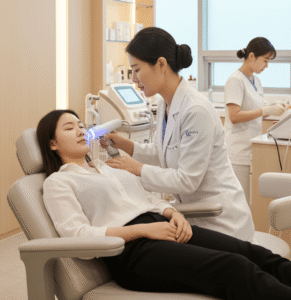
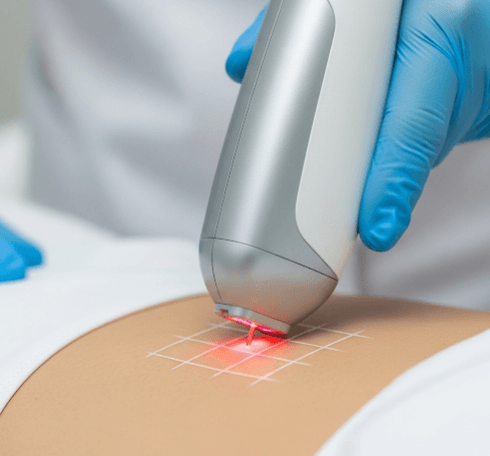
- Laser application → pulses of laser light are directed at the pubic region, including front, labia, perineum, and buttock crease if requested.
- Cooling systems → advanced lasers in Korea use built-in cooling technology to reduce pain and protect skin.
- Duration → about 20–30 minutes per session, depending on coverage.
- Aftercare application → soothing creams or cooling pads are applied immediately afterward.
→ For full results, 6–8 sessions spaced 4–6 weeks apart are usually required.
Recovery
→ Recovery is quick and typically mild:
- Immediate effects → redness, swelling, or warmth, similar to a light sunburn.
- 24–48 hours → most irritation resolves.
- Weeks after treatment → treated hairs gradually shed, leaving smoother skin.
→ Aftercare recommendations include:
- Avoid tight clothing, friction, or sexual activity for 24–48 hours.
- Skip hot showers, saunas, or swimming pools for 1–2 days.
- Use fragrance-free moisturizers or aloe vera for soothing.
- Apply broad-spectrum sunscreen if the area may be exposed outdoors.
→ Most patients resume daily activities immediately, with visible improvements after just a few sessions.
Complications
→ Brazilian LHR is safe when performed by trained professionals, but possible side effects include:
- Temporary redness, swelling, or itching.
- Mild pain or sensitivity during and shortly after treatment.
- Hyperpigmentation or hypopigmentation (rare, usually with improper aftercare).
- Blisters or burns (very rare, typically from unskilled providers).
- Ingrown hairs early in treatment, though usually reduced long-term.
→ Risks are minimized with modern devices and experienced dermatologists, which are standard in Korean clinics.
Treatment options in Korea
→ Korea is internationally known for its expertise in advanced laser procedures, including Brazilian LHR.
- High-tech laser systems → clinics use Alexandrite, diode, and Nd:YAG lasers suitable for different skin and hair types.
- Privacy-focused care → clinics emphasize patient comfort, with female staff available for intimate treatments.
- Pain-minimized treatments → built-in cooling devices and topical numbing options reduce discomfort.
- Aesthetic integration → Brazilian LHR is often combined with skin whitening or tightening procedures for cosmetic improvement.
- Strict hygiene standards → Korean clinics are meticulous about sterility and patient safety.
- Medical tourism services → many centers offer English-speaking staff, international consultation packages, and tailored aftercare for foreign patients.
→ With world-class technology, professionalism, and aesthetic expertise, Korea is one of the best destinations for Brazilian LHR treatments.